










 (800) 975-2413






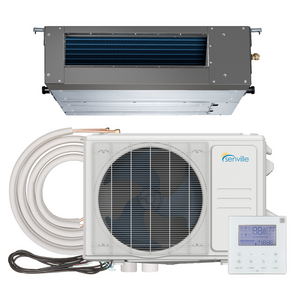
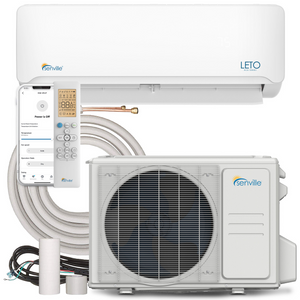
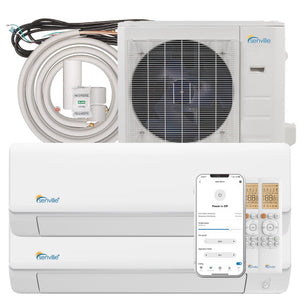



Thinking about living off the grid? The idea of being self-sufficient and sustainable can be incredibly appealing. However, preparing your off grid home requires thoughtful planning and innovative design choices. From utilizing renewable energy resources such as solar kits and wind turbines to optimizing water use with composting toilets, this guide will help you design a home that is not only eco-friendly but remarkably functional. Let’s dive into some essential elements to consider for your off grid dream home!
Understanding Your Energy Needs
Before you start purchasing portable solar kits or gas heaters, it’s crucial to calculate your energy needs. Assessing your energy consumption will help you determine what type of energy systems you should install.
Calculate Your Energy Consumption
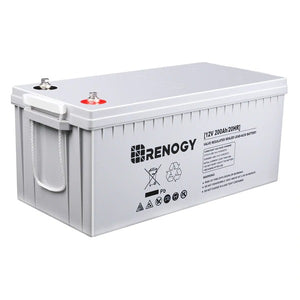
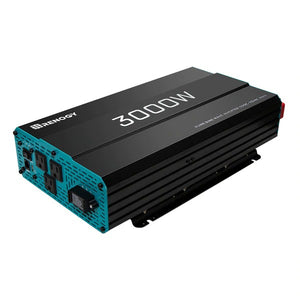
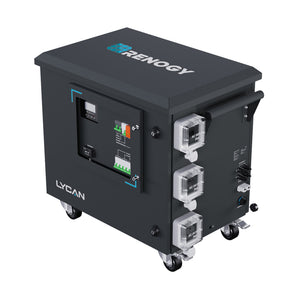
Creating an inventory of your appliances and their energy consumption will help you figure out how many batteries, inverter chargers, and solar panels you'll need. Consider the following key points:
- Identify all electrical devices you plan to use.
- Determine the wattage of each appliance.
- Estimate how many hours per day each device will run.
Once you’ve gathered this information, you can easily calculate your total energy needs and compare them with the available power sources.
Renewable Energy Systems
When it comes to off grid living, renewable energy is the backbone of your home’s power supply. Here are some systems you should consider:
Solar Energy Systems
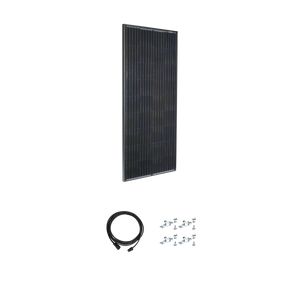
Solar panels are the most popular choice for renewable energy in off grid homes. With options like portable solar panels, they are easy to install and provide a reliable source of energy. Pairing these panels with quality batteries and inverter chargers will ensure you have consistent energy even during cloudy days.
Wind Energy Systems
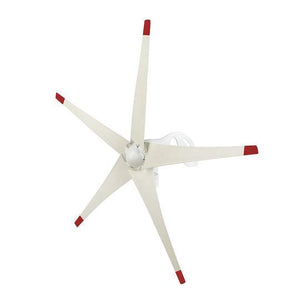
If you live in a particularly windy area, consider adding wind turbines to your energy mix. Wind turbines can complement your solar power and provide energy when solar production is low.
Backup Energy Solutions
Investing in portable generators might also be a wise choice in case your primary energy systems fail or during extreme weather conditions. This additional layer of energy security will ensure you won't be left in the dark.
Heating Solutions for Sustainability
When designing your off grid home, one of the vital considerations should be how you’ll keep your living space warm and comfortable. Here are some sustainable heating solutions:
Gas Heaters
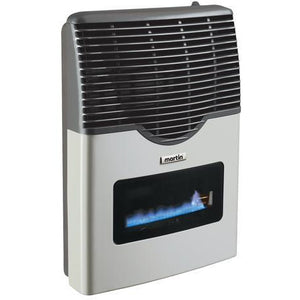
Choosing gas heaters can be a wise investment for off grid living, especially in colder climates. They can quickly warm up your home and provide a reliable source of heating during the winter months.
Efficient Heating Strategies
It's important to incorporate energy-efficient practices as well. Insulation, passive heating, and strategic window placements can greatly enhance your home's energy efficiency.
Water Management: Essential for Off Grid Living
Having a sustainable water management system is crucial for your off grid home. Consider these methods to manage your water supply effectively:
Water Collection Systems
Rainwater harvesting systems allow you to collect and store rainwater for various uses, such as irrigation and plumbing. Just ensure that you have appropriate filtration systems in place to keep the water safe for use.
Water Heaters
Installing a solar water heater can significantly reduce your energy consumption. These systems use heat from the sun to provide hot water for your home, making it a sustainable choice.
Consider Composting Toilets
The use of composting toilets is another effective way to enhance sustainability. They conserve water and recycle waste efficiently. This not only reduces your environmental footprint but also lowers your overall water usage.
Smart Design Principles
Design plays a massive role in how well your off grid home operates. Consider these principles to maximize functionality and sustainability:
Orientation and Layout
Consider the orientation of your home to optimize natural sunlight and ventilation. A well-planned layout will ensure that you both minimize energy usage and maximize comfort. Positioning your living spaces to receive sunlight during the winter months can significantly reduce your heating bills.
Natural Building Materials
Opt for local, sustainable building materials wherever possible. Not only does this reduce the carbon footprint of transporting materials, but it also supports your local economy. Wood, straw bale, and cob are popular choices for eco-friendly construction.
Outdoor Energy Solutions
Don't forget about harnessing resources outside your home. Implement features such as:
Gardening and Green Spaces
Create gardens or green spaces that not only beautify your property but also provide food. Utilizing permaculture principles can create a self-sustaining food source.
Outdoor Living Areas
Outdoor spaces can serve as functional extensions of your home. Build porches or patios with energy-efficient design in mind, which can also help in harnessing energy through portable solar generators for outdoor tasks.
The Financial Aspect: Budgeting for Sustainability
Budgeting is key to securing the resources you need for your off grid lifestyle. Here are some steps to consider:
Calculate Initial Costs
Outlining the costs associated with renewable energy installations, heating options, plumbing systems, and building materials will help you visualize the necessary budget. Factors like installation and maintenance should also be considered.
Long-Term Savings
While initial investments may seem high, the long-term savings associated with living off the grid are significant. Think about reduced energy bills and lower water costs as you commit to a sustainable lifestyle.
Staying Flexible in Your Design
It's essential to stay adaptable in your design approach. You may find that certain systems or designs work better than others depending on factors like climate, landscaping, and local restrictions.
Continuous Learning
The world of off grid living is evolving. Stay updated on new technologies and designs that can enhance your setup. Participating in workshops or following off grid living blogs can provide you with insights and help you refine your strategies.
Final Thoughts: Your Path to Off Grid Freedom
Your off grid home should reflect sustainability and self-sufficiency. With thoughtful planning and a focus on renewable energy solutions such as solar kits, wind turbines, and efficient heating methods, you can create a living space that meets your needs while benefiting the environment. Embrace the journey, explore the possibilities, and step confidently into a lifestyle that offers freedom from conventional living. The path to your unforgettable off grid home is paved with opportunities for innovation, creativity, and sustainability!