










 (800) 975-2413









Off-grid living has captured the imagination of adventurous souls seeking a sustainable lifestyle more in tune with nature. Whether you're drawn to the idea of reducing your carbon footprint, seeking independence, or simply embracing a simpler way of life, it’s vital to equip yourself with the right skills. In this comprehensive guide, we’ll dive into the essential skills for off-grid living, covering everything from energy independence with solar kits to the intricacies of efficient waste management with composting toilets.
Understanding Energy Needs
At the heart of off-grid living is the need to create your own power. This requires a deep understanding of energy needs, usage, and the tools you need to meet those needs. Here are some fundamental concepts:
Calculation of Energy Needs
Begin by assessing your current energy usage. You can do this by tracking your monthly electricity bills to determine average consumption. Once you know how much energy you need, you can begin to find ways to generate it using off-grid methods.
Solar Energy
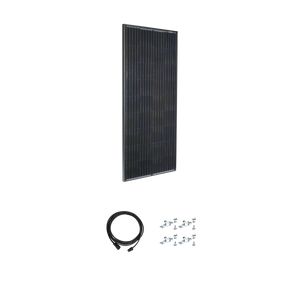
One of the most popular choices for off-grid energy solutions is solar power. Solar kits are an excellent way to harness solar energy, providing everything needed to set up a basic solar panel system. Understanding how to install, maintain, and maximize the efficiency of these solar kits will be crucial.
Wind Energy
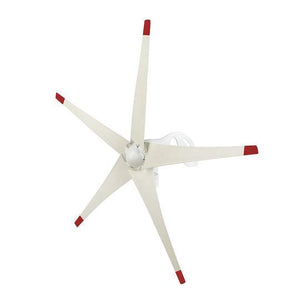
If you live in a windy area, investing in wind turbines can complement your solar energy generation. Learning the basics of wind energy technology, including site assessment and turbine installation, can greatly enhance your energy independence.
Water Supply and Management
Securing a clean water supply is essential for off-grid living. Here are some strategies to make sure you can meet your hydration needs:
Water Collection Techniques
Harvesting rainwater is an effective method for providing fresh water. Installing a rainwater collection system combined with filtration units can ensure that you're safe and sustainable. Understanding how to set up and maintain these systems is a vital skill.
Water Heating Solutions
Having a reliable water heater is important for both hygiene and comfort. Off-grid homeowners often utilize energy-efficient models that work in conjunction with their power strategies, such as solar water heaters or those powered by portable generators.
Waste Management Solutions
Effective waste management is paramount in off-grid living. Knowing how to deal with human waste, gray water, and garbage reduces your impact on the environment. Here’s how:
Composting Toilets
Using composting toilets is a sustainable solution that converts human waste into usable compost. Learning how to maintain a composting toilet system can save you from the burdens of traditional waste systems, and it’s essential to the off-grid lifestyle.
Gray Water Systems
Understanding how to manage gray water from showers and sinks allows you to recycle water for irrigation or other uses. Implementing a gray water disposal system is an essential skill for any off-grid builder.
Heating and Cooling
Maintaining a comfortable living environment in your off-grid home can be a challenge, especially in extreme weather conditions. Here are some options for efficient heating and cooling:
Efficient Heating Options
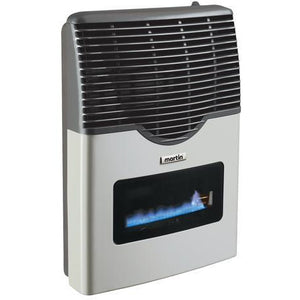
Gas heaters are a common choice for heating small spaces, while learning about wood-burning stoves could provide efficient heat using renewable resources. Understanding insulation techniques can drastically reduce heating needs, so consider researching passive solar heating as well.
Cooling Solutions
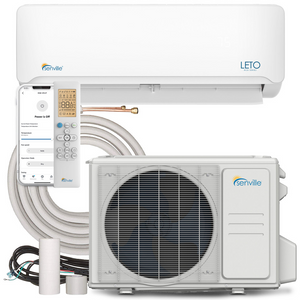
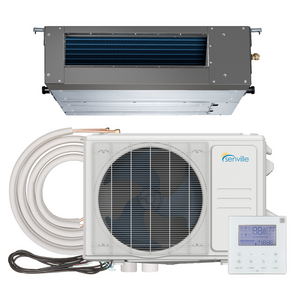
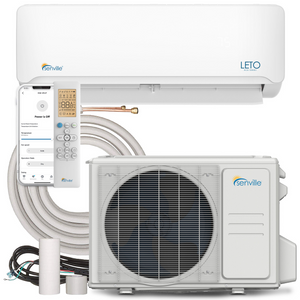
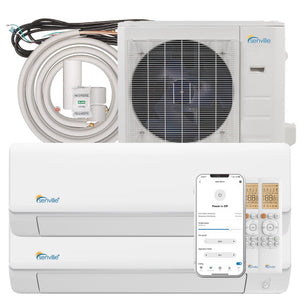
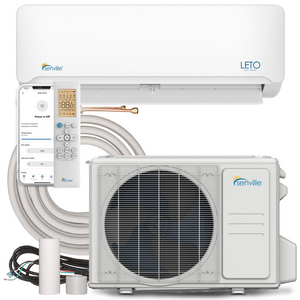
During the warm months, your house may need cooling. Learning about mini splits and natural ventilation techniques can help regulate your home’s temperature effectively.
Power Management and Storage
A key aspect of living off-grid is being able to store and manage power effectively. Here’s what you need to know:
Battery Storage
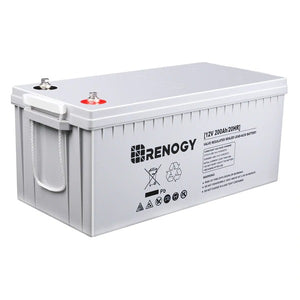
Batteries are an essential component of any off-grid power system. Understanding the different types of batteries, their capacities, and how to maintain them will be critical to your energy independence. Choose between lead-acid, lithium-ion, and other battery technologies to fit your energy needs.
Inverter Chargers
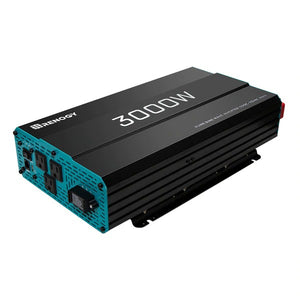
Inverter chargers play a key role in converting DC power stored in batteries to AC power used in most home appliances. Learning how to select and operate inverter chargers can significantly impact the efficiency of your off-grid power system.
Backup Power Solutions
Reliability is crucial in your off-grid energy systems. Backup power solutions ensure that you have energy when primary sources fail:
Portable Generators
Portable generators are versatile tools that can provide electricity during unexpected outages. Knowing how to manage fuel and maintain them can keep your off-grid lifestyle running smoothly.
Solar Generators
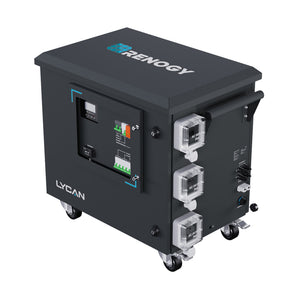
Solar generators are a quiet, eco-friendly backup option. They harness solar energy to provide power. Learning how to incorporate these solar generators into your system will keep you prepared for any situation.
DIY Skills and Resourcefulness
As an off-grid homeowner, you will likely face challenges that require problem-solving and creativity. Here are a few skills to develop:
Basic Repair Skills
Having the ability to fix minor issues can save you time and money. Learn basic plumbing, electrical, and carpentry skills to handle common issues that arise in a remote living situation.
Gardening and Food Preservation
Sustainable food production will also contribute to your off-grid lifestyle. Understanding how to create a garden, forage, and preserve food is vital. Techniques such as canning, fermenting, and dehydrating will ensure that you have a steady food supply.
Connecting with a Community
Feeling isolated? Connecting with others who share your off-grid lifestyle will be beneficial for learning and morale. Here’s how to make it happen:
Online Communities
Join forums and social media groups dedicated to off-grid living. These platforms provide rich resources and the ability to share experiences with experts and newcomers alike.
Local Workshops
Look for local classes or workshops that focus on off-grid skills. Many communities have organized events that allow you to learn practical skills while connecting with others who share your values.
Crafting Your Off-Grid Journey
Venturing into off-grid living is a profound journey that offers the freedom and self-sufficiency many crave. By equipping yourself with essential skills—such as harnessing renewable energy through solar kits, maintaining a clean water source, and applying efficient waste management methods like composting toilets—you'll be well-prepared to tackle the challenges of living off the grid. Knowledge in managing power storage with batteries and using inverter chargers, as well as understanding the application of technologies like solar generators and portable solar kits, will help you thrive in your new lifestyle.
With the right preparation, learning, and community support, the dream of living off the land can become a fulfilling reality. So take your time, gather the knowledge, and prepare for an enriching adventure toward sustainability and independence!