










 (800) 975-2413











Overview
Explore the benefits of off-grid living, including self-sufficiency, environmental impact, and cost efficiency. This beginner's guide covers essential components like solar kits, batteries, heating solutions, water management, and design ideas. Embrace a sustainable lifestyle while connecting with nature and building a supportive community.
In a world that remains increasingly interconnected, many individuals are seeking refuge in the serene beauty of off-grid living. This lifestyle offers a combination of sustainable living practices, independence, and an opportunity to connect with nature. Whether you aim to minimize your carbon footprint, save on utility costs, or simply enjoy a quieter existence, off-grid living presents a thrilling adventure. In this beginner's guide, we’ll introduce you to essential components of off-grid living, including solar kits, composting toilets, gas heaters, and more.
Understanding Off Grid Living
Off-grid living typically refers to residing in a home that is not connected to any municipal services, such as electricity, water, or sewage systems. Those who choose this lifestyle often harness renewable energy, recycle water, and manage waste independently. Here are some essential details to consider when transitioning to the off-grid lifestyle:
The Benefits of Going Off Grid
- Self-Sufficiency: Reliance on renewable resources empowers you to take control of your energy, water, and waste management.
- Environmental Impact: By using solar panels, wind turbines, and composting toilets, you contribute to a reduction in carbon emissions.
- Cost Efficiency: Though initial setup costs may be higher, off-grid living can significantly lower monthly expenses.
- Connection with Nature: Living off-grid enables you to immerse yourself in nature while enjoying the tranquility it brings.
Key Components of Off Grid Living
Embarking on your off-grid journey requires understanding and mastering various components. Below, we explore the essential setups you will need to maintain a comfortable lifestyle.
Energy Generation: Solar Kits and Wind Turbines
Energy generation is crucial for any off-grid setup. Solar kits are one of the most popular solutions due to their efficiency and scalability. Portable solar panels allow you to generate energy while exploring different locations. Here are the main options:
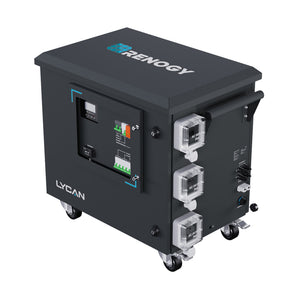
- Solar Kits: A complete solar kit typically includes solar panels, batteries, inverter chargers, and mounting hardware, providing you with everything you need to start generating solar power.
- Portable Solar Panels: Ideal for those who want flexibility, these kits can be placed anywhere sunlight is available, making them easy to use and transport.
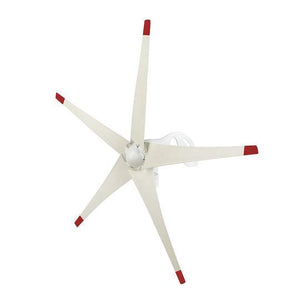
- Wind Turbines: For locations with regular wind patterns, wind turbines can be a fantastic complement to your solar setup, generating energy even when the sun isn't shining.
Storage Solutions: Batteries and Inverter Chargers
Energy storage is essential for ensuring that you have access to power when needed. Batteries store the energy generated from your solar panels or wind turbines. Here are key points to consider:
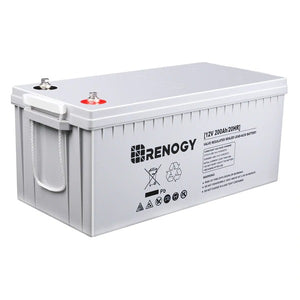
- Batteries: Select high-capacity batteries to store enough energy for days when no generation occurs. Lithium batteries, for example, offer a longer lifespan and greater efficiency.
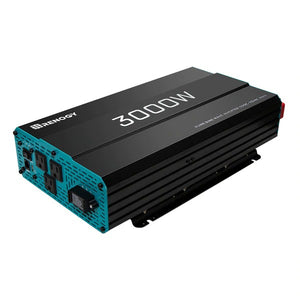
- Inverter Chargers: These devices convert stored DC power from your batteries into usable AC power for household appliances. Investing in a reliable inverter charger is essential for maintaining power in your off-grid home.
Heating Solutions: Gas Heaters and Mini Splits
Heating your off-grid home is crucial during colder months. Here are some optimal solutions:
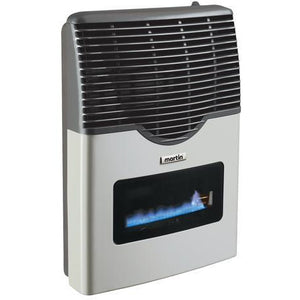
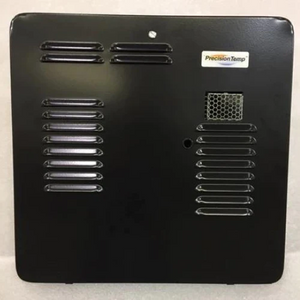
- Gas Heaters: A gas heater can be an effective and efficient way to heat your home without relying on electricity.
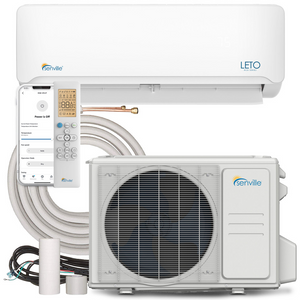
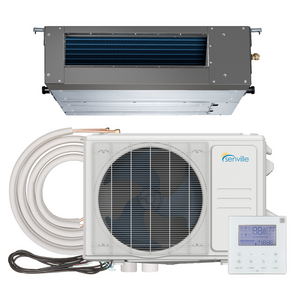
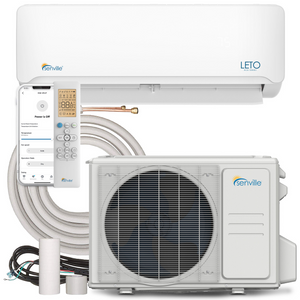
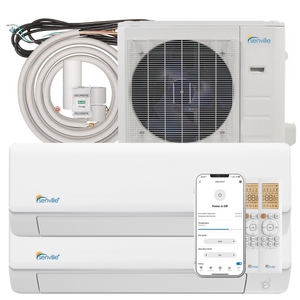
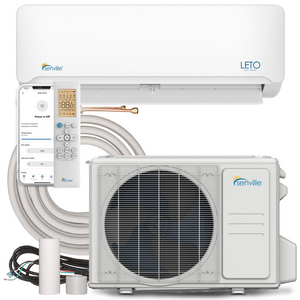
- Mini Splits: These energy-efficient heating and cooling systems offer the flexibility to heat or cool specific areas of your home with minimal energy consumption.
Water Management: Water Heaters and Composting Toilets
Finding a reliable water source and creating a sustainable waste management system are vital components of off-grid living:
- Water Heaters: Depending on your needs, you might opt for gas or solar water heaters. The latter can be an excellent way to use the sun's power effectively.
- Composting Toilets: An eco-friendly choice, composting toilets allow you to manage waste without traditional plumbing systems while contributing nutrients back into the earth.
Integrating Portable Generators
While most off-grid systems rely on renewable energy sources, having a backup source can be beneficial. Portable generators can provide additional power during emergencies or low generation periods. These generators are versatile and can be powered by gasoline or propane, functioning as an excellent supplement to your main energy sources.
Design Ideas for Off Grid Living
Creating a functional and aesthetically pleasing off-grid home is just as important as establishing the necessary systems. Here are some design elements to consider:
Efficient Layouts
When planning your space, aim for a compact layout that maximizes functionality. Open floor plans help create the illusion of more space while reducing the energy needed for heating and cooling.
Sustainable Materials
Choose sustainable materials for construction and finishes, such as reclaimed wood, bamboo, or recycled metals. These materials not only support environmental goals but also often come with unique character and charm.
Natural Lighting
Incorporate large windows and strategically placed skylights to maximize natural light. This reduces the need for electric lighting and creates a warm, inviting atmosphere.
Maintenance and Upkeep
Transitioning to off-grid living involves maintenance of your energy systems and home. Here are some essential maintenance tasks:
- Inspect Solar Panels: Regularly check your solar panels for dirt and debris that can impact their efficiency.
- Battery Care: Monitor your batteries' charge levels and perform maintenance as recommended by the manufacturer.
- Weatherproofing: Ensure your home is adequately insulated and sealed against elements to avoid energy loss.
Building Your Community
Often, off-grid living can feel isolating, but it doesn’t have to be. Connecting with other like-minded individuals can lead to friendships, resource sharing, and collaborative projects that enhance your off-grid experience. Engage with local off-grid communities online or in-person, attend workshops, or even host events to build your network. A supportive community not only helps you navigate challenges but also inspires you in your sustainable journey.
Embark on Your Off-Grid Adventure!
Off-grid living presents a unique opportunity to redefine your lifestyle. It encourages self-sufficiency, a deep connection with nature, and a commitment to sustainable living practices. By equipping yourself with the right tools and knowledge—such as solar kits, composting toilets, and more—you can create a harmonious existence that nourishes both your spirit and the planet. Take the first step into this exciting world, knowing every small change contributes to a far greater impact on your life and the environment.