










 (800) 975-2413












Overview
Building an off-grid home involves careful planning in energy generation, water management, waste solutions, and efficient design. Key considerations include using renewable energy sources like solar and wind, effective storage systems like LiFePO4 batteries, and sustainable water practices such as rainwater harvesting. Choosing the right location, budgeting wisely, and connecting with off-grid communities can enhance your self-sufficient lifestyle. Embrace the journey toward sustainability and independence.
Building an off-grid home is a rewarding venture that allows you to live sustainably while reducing your environmental footprint. From gathering energy through solar kits to ensuring you have reliable batteries and inverter chargers, every decision will shape your self-sufficient lifestyle. In this article, we’ll explore essential design considerations when planning your off-grid home. Let’s dive into the elements that will enable you to achieve your off-grid dream.
Understanding the Basics of Off-Grid Living
Off-grid living is more than just solitude in nature; it's about independence from traditional utilities. It involves generating your own energy, managing water resources, and optimizing waste management. However, this lifestyle requires careful planning and a deep understanding of various systems. Here are some fundamental areas to focus on:
Energy Generation
The first step in planning your off-grid home is selecting your energy source. Most off-grid homeowners turn to renewable energy options like solar, wind, or even hydro. Below are key energy options to consider:
- Solar Panels: The most popular choice, especially in sunny regions. Consider using portable solar panels for versatility.
- Wind Turbines: If you live in a wind-rich area, this could efficiently supplement your energy.
- Solar Generators: Great for backup power and emergencies, easily deployable for off-grid camping.
- Water Resources: If you have access to a water stream, a micro-hydro generator can be an excellent source of continuous energy.
Storage Solutions
Efficient energy storage is crucial for off-grid living. Without a reliable storage system, your energy supply may fluctuate, affecting your daily functions. Here are a couple of robust storage solutions:
LiFePO4 Batteries
LiFePO4 batteries are a popular choice for off-grid homeowners for several reasons. Their long lifespan and safety compared to traditional lead-acid batteries make them ideal for energy storage. When integrated with inverter chargers, they provide a seamless energy flow into your home systems.
Portable Generators
While primarily used as a backup power source, portable generators can be incredibly beneficial if your solar setup doesn’t meet your energy needs at times. They are a reliable option to have on hand for additional power during peak consumption times.
Water Supply and Management
A sustainable water supply is another integral aspect to consider. This involves both sourcing and managing your water effectively:
Water Collection Systems
Rainwater harvesting is a sustainable way to collect and store water for household needs. Design your roof and gutter systems to channel rainwater into a storage tank. Additionally, consider integrating a filter system for potability.
Water Heaters
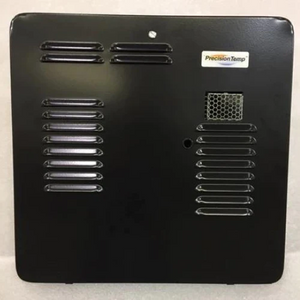
Think about incorporating water heaters that can run on solar power or propane, ensuring you have hot water when needed. This aspect often gets overlooked but is vital for comfort and convenience.
Waste Management Solutions
Proper waste management is crucial for a healthy off-grid lifestyle. From toilets to composting, here are your options:
Composting Toilets
Using composting toilets is not only sustainable but helps reduce water usage and ensures that human waste is safely converted back into nutrient-rich soil. This process fosters a closed-loop system and is environmentally friendly.
Indoor Climate Control
Maintaining a comfortable living environment is essential for off-grid homes:
Heating Solutions
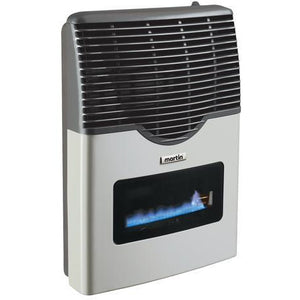
Using gas heaters can be an effective method for heating your home, especially in cooler climates. Fuel-based heaters can provide dependable warmth during winter months.
Cooling Options
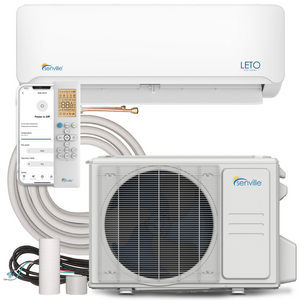
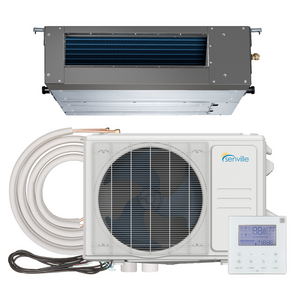
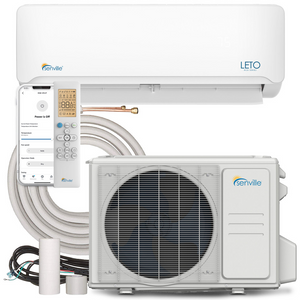
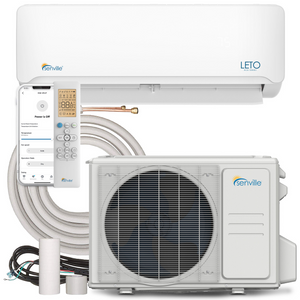
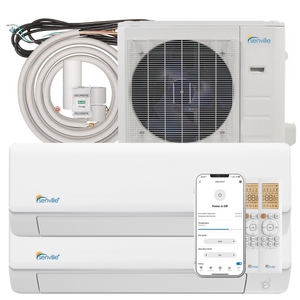
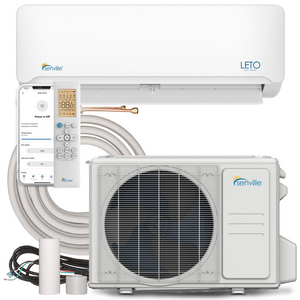
In warmer climates, you might need to factor in cooling systems. Mini splits are an efficient choice for off-grid cooling, using less energy than conventional air conditioning systems. They can be powered effectively by your solar energy setup.
Design and Layout Considerations
The layout of your off-grid home plays a significant role in optimizing energy efficiency:
Orientation and Natural Light
Proper orientation can significantly influence energy usage. Consider placing larger windows facing the south to harness maximum sunlight exposure. This can reduce your reliance on artificial lighting during the day.
Energy-Efficient Appliances
Select energy-efficient appliances that are compatible with your off-grid setup. Look for devices that will draw less power, and consider investing in appliances that utilize renewable energy directly.
Choosing The Right Location
Your chosen location can impact everything from power generation to water source availability. Important factors include:
Sun Exposure
Assess the sun exposure your property receives throughout the year, as this will primarily determine the efficiency of your solar kits and overall energy generation. Select a location free from shading objects, like large trees or buildings.
Water Access
If possible, build near a natural water source for easier access. It offers valuable benefits for both your garden and household needs, aiding in the overall sustainability of your home.
Budgeting for Your Off-Grid Home
Creating a detailed budget is essential for any building project, but with off-grid homes, the costs can vary widely based on technology choices and sustainable materials.
Initial Investment vs Long-Term Savings
While upfront costs may seem higher when opting for solar systems, solar generators, or wind turbines, they often lead to significant savings on utility bills in the long run. Take time to research and compare various systems before making decisions.
Building Community Connections
While off-grid living promotes independence, connecting with like-minded individuals can provide support and resources:
Networking with Off-Grid Enthusiasts
Join local or online groups focused on off-grid living. Sharing knowledge and experiences can introduce you to invaluable tips and resources, which can aid in your off-grid journey.
Engage with Local Experts
If you’re unfamiliar with certain technologies like solar kits or batteries, reach out to local experts. Their guidance can ensure you choose the best systems for your needs.
Embracing The Journey Ahead
Planning your off-grid home doesn’t have to be overwhelming. By understanding the key elements of energy generation, waste management, and overall efficiency, you’re setting yourself on a path toward a sustainable, independent lifestyle. Remember that each aspect, from choosing a reliable LiFePO4 battery to considering composing toilets, plays a vital role in the big picture. Embrace this adventure, keep researching, and connect with the community. Your off-grid dream is within reach, and the journey is just as rewarding as the destination.
Linked Product

Dakota Lithium 12V 100Ah Deep Cycle Heated LiFePO4 Battery
The Dakota Lithium 12V 100Ah Deep Cycle Heated LiFePO4 Battery is designed for reliable power in various off-grid applications, including RVs, solar systems, and boating. Its internal heating technology ensures optimal performance even in extreme cold, while its long lifespan and lightweight construction make it a practical choice for energy needs. With a capacity that supports high-draw devices, this battery is a dependable option for extended adventures.
View Product