










 (800) 975-2413












Overview
Embracing an off-grid lifestyle requires thorough emergency preparedness. Key strategies include understanding local risks, stocking essential supplies like solar panels, heating solutions, and water management systems, and creating a comprehensive emergency plan. Engage with off-grid communities for support and training, and regularly evaluate your preparedness to ensure self-reliance and security in any situation.
Key Takeaways
- Emergency preparedness is essential for off-grid living, requiring a comprehensive plan tailored to your unique situation.
- Identify potential risks in your area, such as natural disasters or extreme weather, to effectively tailor your emergency strategy.
- Invest in reliable energy solutions, including solar panels, batteries, and backup generators to ensure consistent power supply.
- Implement effective water and waste management systems, utilizing portable water filters and composting toilets for sustainability.
- Establish communication methods that work off-grid, such as satellite phones or ham radios, to maintain contact during emergencies.
- Regularly review and practice your emergency plan to ensure everyone knows their roles and actions during a crisis.
- Engage with off-grid communities for shared knowledge and resources, enhancing your preparedness capabilities.
When embracing the off-grid lifestyle, one of the most critical aspects to consider is emergency preparedness. Living away from traditional utilities can be liberating, but it comes with its own set of challenges. In this guide, we’ll explore various strategies and tools to ensure you’re well-prepared for any emergencies that might arise when living off the grid.
Understanding the Importance of Emergency Preparedness
Emergency preparedness isn't just about having the right supplies; it's about having a comprehensive plan that fits your unique living situation. Whether it's natural disasters, power outages, or any unforeseen situations, being prepared can mean the difference between comfort and chaos.
Identifying Potential Risks
Before you can prepare effectively, it's crucial to understand the risks associated with your location and lifestyle. Here are some questions to consider:
- What kind of natural disasters are common in your area?
- How prone is your location to extreme weather conditions?
- Do you have any nearby wildlife that could pose a threat?
Assessing these risks will allow you to tailor your emergency preparedness plan to meet your specific needs.
Essential Supplies for Off-Grid Living
When living off the grid, stocking up on essential supplies is not just wise; it's necessary. Here are some must-have items to consider:
Energy Solutions
One of the main challenges in off-grid living is maintaining a reliable power supply. Investing in solar panels for RV usage is an excellent starting point. They can provide a consistent energy source for your everyday needs, whether it’s for lighting, cooking, or powering essential appliances. Pairing these with batteries and inverter chargers allows you to store energy for when the sun isn't shining.
For those with a greater energy demand, solar kits and portable solar panels are ideal for flexibility. These kits come equipped with everything you need to harness solar power on the go, making them an excellent choice for RVs and small homes.
If solar isn't feasible for your location, consider wind turbines. They provide an opportunity to harness natural winds for energy, thus creating a hybrid power solution when combined with solar generators.
Heating and Cooling Solutions
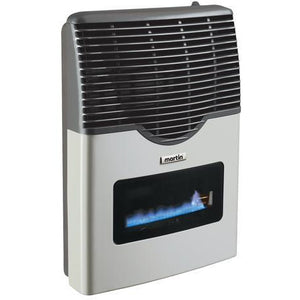
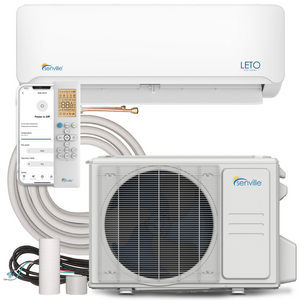
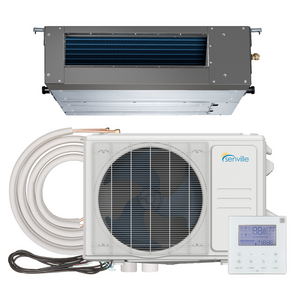
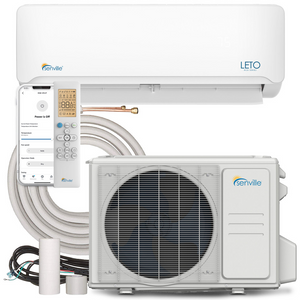
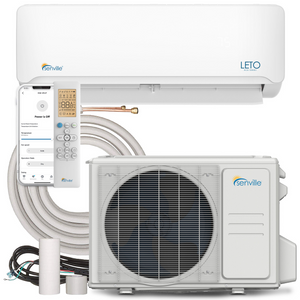
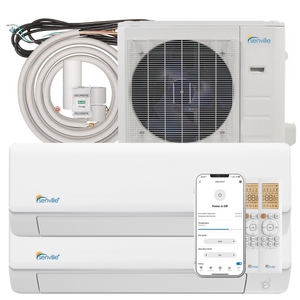
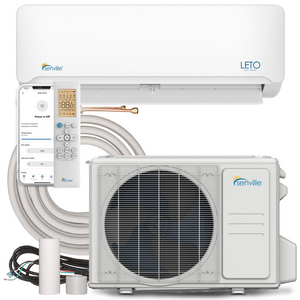
In emergency situations, heating and cooling your space becomes crucial. Depending on your needs, gas heaters and mini splits could be valuable assets. These options provide efficient heating and cooling without a reliance on the grid. In conjunction with effective insulation techniques, they create a comfortable living environment.
Water and Waste Management
Without traditional plumbing, proper water and waste management systems are vital. To ensure a clean water supply, consider portable water filters to purify any available water sources. Furthermore, investing in water heaters can help you maintain a supply of hot water, regardless of weather conditions.
Composting Toilets
Waste management is another crucial aspect of off-grid living, where traditional sewage systems may not be available. Composting toilets are an eco-friendly solution, converting waste into compost that can be used to nourish the soil. This system helps to minimize water usage and creates a sustainable approach to waste management.
Backup Power Sources
No one wants to find themselves in a situation without power. Backup systems are essential for ensuring you always have electricity for vital devices and systems. Here are a few options to consider:
Portable Generators
Portable generators can serve as a reliable backup power source when your primary system fails. They can support a wide range of devices, so it's important to understand their power output and how to safely operate them during an emergency.
Solar Generators
Solar generators are another excellent option for off-grid living. They take advantage of solar energy and can be charged during sunny days, providing you with a renewable energy source when conventional power methods may falter.
Building a Comprehensive Emergency Plan
While having supplies readily available is essential, an emergency plan can mitigate chaos during a crisis. Here are some steps to include in your plan:
Establish Communication Methods
In off-grid situations, your usual communication devices may not function. Establish alternative ways to communicate with family and friends, whether that be through a satellite phone, ham radio, or other reliable means. Having a plan for emergency signals can save lives.
Regularly Review and Practice Your Plan
Emergency plans are only as good as the execution. Schedule regular drills to practice your emergency response. This way, everyone in your home knows their roles and actions should an emergency arise.
Stocking Up on Non-Perishable Supplies
An essential aspect of living off-grid is ensuring you have ample food and water supplies. Stock up on non-perishable items that can last long-term, such as:
- Canned goods (vegetables, fruits, soups)
- Dried grains (rice, pasta, oats)
- Dried fruits and nuts for snacks
Regularly check expiration dates and replenish your stocks to ensure you’re never caught without essential supplies.
Creating a Shelter
Your shelter is your sanctuary when emergencies arise. Ensure your off-grid home is equipped to deal with adverse weather conditions. Invest in quality materials and construction techniques to enhance your shelter’s resilience.
Emergency Heat Sources
During winter storms or extreme cold, ensuring your shelter remains warm is vital. Consider installing features like wood stoves or ventless heaters that can provide backup heating options in emergency situations.
Engagement with the Off-Grid Community
Being part of a community can drastically enhance your preparedness capabilities. Engage with local or online off-grid communities to exchange knowledge, tips, and strategies. These communities may provide you with valuable contacts for supplies, services, or even shared resources in times of need.
Training Opportunities
Participating in workshops or training sessions offers hands-on learning and can help you build essential skills. First aid, bushcraft, and survival training can equip you for emergencies, making you self-sufficient and resourceful.
Holistic Approach to Health and Safety
In an emergency, physical and mental well-being is critical. Here are some holistic approaches to consider:
- Stock up on essential medications and first aid supplies.
- Incorporate stress-reducing activities such as meditation or yoga to maintain mental clarity.
- Keep an inventory of natural remedies for common ailments.
Self-care is critical during emergencies, ensuring you remain effective in handling any situation that arises.
Planning for Long-term Sustainability
Emergency preparedness is not a one-time task but a continuous process. Create a cycle of evaluation regarding your supplies and systems. Regularly update your strategies based on any new learnings or resources available to you. This commitment will ensure that you are always prepared, regardless of the circumstances.
Your Off-Grid Future Awaits
By taking emergency preparedness seriously, you can transform the off-grid living experience from one of stress and uncertainty into one of self-reliance and security. Embrace this lifestyle with confidence, knowing that you have a solid plan and the right tools to weather any storm. Whether it’s investing in solar panels for RV setups, composting toilets, or backup power solutions like generators, every step you take toward preparedness strengthens your ability to enjoy off-grid living fully.
Glossary
| Term | Meaning |
|---|---|
| Emergency Preparedness | Planning and equipping for unforeseen emergencies. |
| Off-Grid Living | Living independently from public utilities. |
| Solar Panels | Devices that convert sunlight into electricity. |
| Composting Toilets | Eco-friendly toilets that turn waste into compost. |
| Backup Power Sources | Alternative power systems for emergencies. |
| Portable Generators | Mobile devices providing electricity during outages. |
| Water Filters | Tools for purifying water from natural sources. |
| Emergency Plan | A strategy outlining actions during crises. |
| Non-Perishable Supplies | Food items that last long without refrigeration. |
| Holistic Health | Approach focusing on overall well-being during emergencies. |
Linked Product

Rich Solar RS-H6548 Complete Off-Grid Solar Kit
The Rich Solar RS-H6548 Complete Off-Grid Solar Kit is designed for those seeking a reliable solar solution for RVs, tiny homes, or off-grid living. With high-efficiency solar panels, a robust lithium battery, and a versatile inverter, it provides essential energy independence while supporting a range of appliances. This kit ensures easy installation and low maintenance, making it a practical choice for sustainable energy needs.
View Product