










 (800) 975-2413










Overview
This blog explores renewable energy sources—solar, wind, and hydro—highlighting their benefits for sustainable living and energy independence for tiny homeowners. It covers how each energy type works, their advantages, and the importance of combining systems for reliability. Investing in renewable energy not only reduces carbon footprints but also leads to cost savings and a cleaner environment.
As the world increasingly focuses on sustainability and reducing carbon footprints, understanding renewable energy sources has never been more crucial. This blog post delves into three primary types of renewable energy: solar, wind, and hydro. These sources not only contribute to a cleaner environment but also offer opportunities for homeowners to become energy independent. Whether you’re considering solar kits, wind turbines, or hydroelectric systems for your tiny house, this article will provide the insights you need.
What is Renewable Energy?
Renewable energy is derived from natural processes that are replenished constantly. Unlike fossil fuels, which are finite and emit greenhouse gases when burned, renewable energy resources can be sustained indefinitely. The main types include solar energy, wind energy, and hydro energy. Each source has unique advantages and can be integrated into a variety of energy systems to meet your needs.
Understanding Solar Energy
One of the most accessible forms of renewable energy is solar energy. This energy harnesses sunlight through solar panels and converts it into electricity.
How Solar Energy Works
Solar panels, commonly referred to as photovoltaic (PV) panels, consist of many solar cells that convert sunlight into electrical energy. When solar cells absorb light, they create an electric current that can be used to power your home, charge batteries, or even run portable generators.
Benefits of Solar Energy
- Cost-Effective: Installing solar kits can significantly reduce electricity bills over time.
- Environmentally Friendly: Solar energy creates little to no pollution during its operation.
- Energy Independence: Using solar panels can minimize reliance on traditional power sources.
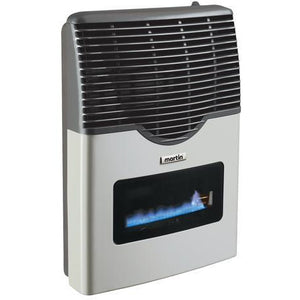
- Versatility: Ideal for various applications like powering water heaters, mini splits, and even gas heaters.
Choosing the Right Solar Kits
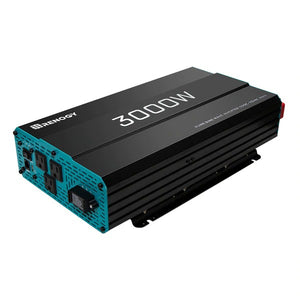
When considering solar energy for your tiny house, selecting the right solar kits is essential. Factors to consider include the type of kit, the energy output required for your home, and additional components such as inverter chargers and batteries. Portable solar kits and panels are also available for those looking for mobility and convenience.
Exploring Wind Energy
Wind energy is another powerful renewable resource that can be harnessed using wind turbines. These turbines convert the kinetic energy of wind into mechanical power, which can then be converted into electricity.
The Mechanics of Wind Energy
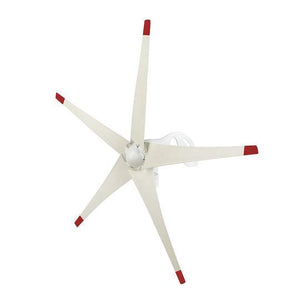
When wind blows, it turns the blades of a wind turbine. This motion drives a generator that converts mechanical energy into electrical energy. Wind turbines come in various sizes, making them versatile for different applications, from large farms to tiny houses.
Pros of Wind Energy
- Clean Energy Source: Wind energy produces no emissions during operation.
- Cost-Effective: Once installed, wind turbines have low operating costs and can be a reliable source of energy.
- Complementary Systems: Wind and solar can work together to provide a consistent energy supply, especially in remote areas.
Ideal Wind Turbines for Tiny Houses
For tiny homeowners, smaller wind turbines are available that can efficiently generate power without taking up too much space. These units can be an excellent addition to solar setups, creating a hybrid system that utilizes both solar kits and wind energy.
The Power of Hydro Energy
Hydroelectric energy harnesses the power of flowing water to generate electricity. This method is more commonly used on a larger scale in dams, but micro-hydro setups can also be implemented for individual homes.
Micro-Hydro Energy Explained
Micro-hydropower systems typically involve a small stream or river that can provide a continuous flow of water. A small turbine is placed in the water, generating electricity that can power your entire home, from composting toilets to water heaters.
Advantages of Hydro Energy
- Reliable and Consistent: Water flow is generally more stable than wind or solar energy, contributing to a constant energy supply.
- Low Operating Costs: Once set up, micro-hydro systems require minimal maintenance and low ongoing operational costs.
- High Efficiency: Hydro plants typically have a high energy conversion efficiency, making them a reliable choice for many households.
Implementing Hydro Energy in Tiny Houses
If your tiny house is near a flowing water source, consider investing in a micro-hydro energy system. This sustainable option can efficiently power your home while minimizing environmental impact.
Combining Renewable Energy Sources
Integrating different renewable energy sources can create a robust and efficient energy system for your tiny house. By combining solar panels, wind turbines, and possibly micro-hydro systems, you can ensure a reliable energy supply throughout the year.
The Role of Energy Storage
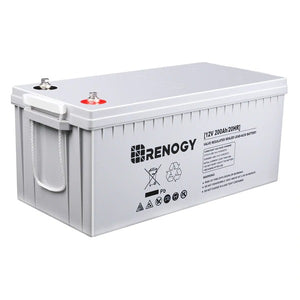
Using batteries is crucial when combining renewable energy sources. Batteries store excess energy produced during peak production times, allowing you to use that energy during periods of low generation. Pairing solar kits with efficient inverter chargers for battery management can provide long-term stability for your energy needs.
Hybrid Systems for Maximum Efficiency
A hybrid system that utilizes both solar and wind energy can be particularly efficient. Days with higher wind speeds can supplement solar energy production during cloudy periods, ensuring that your energy needs are consistently met. When combined with portable generators, you’ll have a fail-safe energy solution for all your essential appliances.
The Future of Renewable Energy
As technology advances, the efficiency and affordability of renewable energy systems are expected to improve. With increasing awareness of climate change issues, more homeowners are investing in renewable energy sources. Whether you are considering portable solar panels for camping or larger setups for your tiny house, the future looks bright for those interested in renewable energy.
Why You Should Invest in Renewable Energy
Transitioning to renewable energy can have profound ecological, financial, and social benefits. By investing in solar kits, wind turbines, or micro-hydroelectric systems, you’re not only reducing your carbon footprint but also becoming part of a global effort towards sustainable living.
Your Path to Sustainable Living
Understanding renewable energy sources, including solar, wind, and hydro, opens up a world of possibilities for tiny homeowners. Selecting the right systems, such as solar kits or wind turbines, can lead to substantial savings on energy costs. As you set forth on your journey to sustainable living, remember that investing in renewable energy is not just about reducing electricity bills but also about contributing positively to the environment and future generations. The time to embrace renewable energy is now; sustainable living starts with you!