










 (800) 975-2413










Overview
Choosing the right location for your off-grid home is crucial for a successful and sustainable lifestyle. Key factors to consider include climate, accessibility to services, land availability and zoning laws, sun exposure for solar energy, water access, soil quality for gardening, energy efficiency options, waste management, legal considerations, community connection, and future adaptability of the site. Prioritize sustainability and ensure the location meets your personal needs for a fulfilling off-grid experience.
Choosing the right location for your off-grid home is one of the most crucial decisions you'll ever make. Whether you’re looking to escape the hustle and bustle of city life or just seeking a sustainable lifestyle, the right site can make or break your off-grid experience. In this guide, we'll explore various factors to consider when selecting your ideal spot, focusing on sustainability, accessibility, and potential energy sources like solar kits, wind turbines, and more.
Understanding Your Needs
Before you venture out to find the perfect location, spend some time reflecting on what you need in your off-grid home. Here are some aspects to consider:
Climate and Weather Patterns
Your comfort in an off-grid setting largely depends on the climate. It’s essential to select a location that supports not only your comfort but also your energy needs. For example, areas with consistent sunlight are great for solar kits, while regions with strong winds may benefit from wind turbines.
Accessibility
Consider how easily you can access the location. Is it near essential services like grocery stores, hospitals, or schools? If you're planning to haul materials for solar panel installation, mini splits, or even composting toilets, a location that’s too isolated could complicate logistics.
Land Availability
Researching local zoning laws and property sizes is crucial for planning your off-grid home. Some areas may have specific regulations governing how you can use the land, which can affect your ability to install components like solar generators or water heaters.
Evaluating Environmental Factors
After understanding your needs, it's time to evaluate environmental factors that play a significant role in your off-grid living experience.
Sun Exposure
One of the most vital aspects of your location is the level of sun exposure it gets. Areas that are not obstructed by tall buildings or trees can harness the full potential of portable solar panels and other solar solutions. Aim for land that’s open and has plenty of direct sunlight to maximize efficiency.
Water Accessibility
Water is crucial for any off-grid scenario. Is your chosen location near a lake, river, or spring? Alternatively, consider land that can support a well. These options dictate your water supply, directly affecting your life quality and sustainability practices.
Soil Quality
If you plan to grow your own food, understanding soil quality is vital. Healthy, fertile soil can keep your garden thriving, while poor soil can complicate your agricultural ambitions. Conducting soil tests can save you from later headaches and help you understand what type of composting toilets or waste management systems you may need.
Planning for Energy Efficiency
When selecting a location, it’s essential to consider how you’ll generate and store your energy.
Solar Options
Solar energy remains one of the most popular options for off-grid living. Depending on your needs, investing in solar kits, portable solar kits, and portable solar panels can drastically reduce your dependence on alternate power sources. Choose a location that gets plenty of sunshine to ensure these systems perform optimally.
Wind Energy
If your chosen area is frequently windy, you may want to consider installing wind turbines. These can serve as excellent backup energy sources, especially during times when solar energy isn’t available. Pairing wind energy with solar systems can enhance your overall energy independence.
Energy Storage Solutions
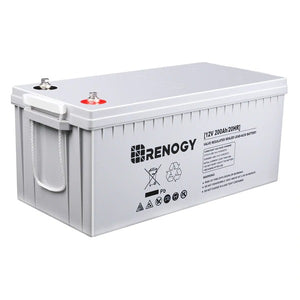
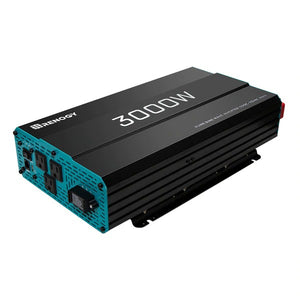
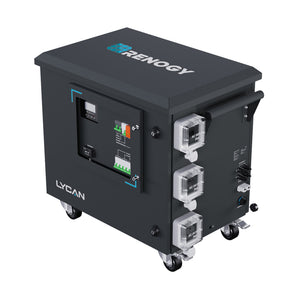
Battery systems become critical in maintaining a consistent power supply for an off-grid home. Research inverter chargers that can convert energy for use in your home and identify a suitable place for your battery storage to ensure efficiency. Proximity to your energy generation sources is also essential.
Choosing Sustainable Systems
Another vital aspect of your off-grid lifestyle is the systems designed to provide comfort and convenience while minimizing environmental impact.
Heating Solutions
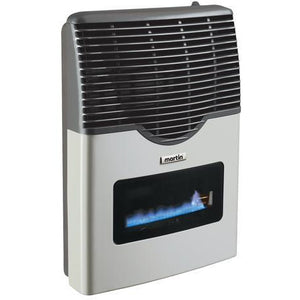
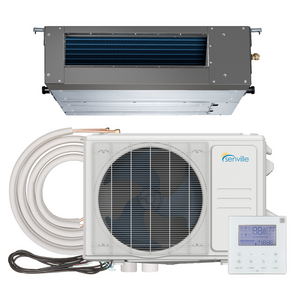
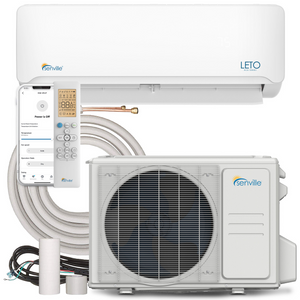
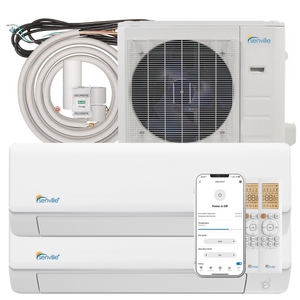
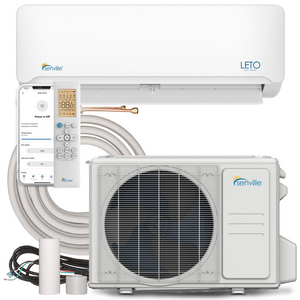
Installing efficient heating systems like gas heaters or mini splits can significantly improve your living conditions. It’s essential to evaluate options early to incorporate them into your energy planning strategy. Areas in colder climates demand more robust heating solutions, so your energy source should also reflect this.
Waste Management
Understanding waste management options, such as composting toilets, is critical for maintaining a sustainable lifestyle. Your location should accommodate these systems without risking contamination of natural resources. The right position on your land can make installation and maintenance straightforward.
Backup Power
Unforeseen circumstances can lead to power outages, so investing in portable generators and solar generators is a smart move. Choose a spot where these generators can be easily accessed and stored, ensuring you are never left in the dark.
Legal Considerations
Don't overlook legal factors when selecting your off-grid location. Each state and locality has distinct regulations that may influence your options, particularly regarding zoning laws and building requirements.
Building Permits
Research what type of permits you will need to build your off-grid home. Some areas may have more stringent requirements that could impact the installation of systems like solar kits or water heaters. Consult with local authorities to ensure compliance before purchasing your land.
Zoning Laws
Understand zoning laws which dictate how land can be used. Some areas may restrict the types of structures you can build, which could affect your overall design and functionality of systems. Check your preferred land regulations to confirm you can operate the kind of off-grid lifestyle you envision.
Community and Lifestyle Integration
Living off-grid doesn’t mean complete isolation. Consider your options for connecting with a like-minded community.
Local Resources
Look for nearby resources such as farmer’s markets, co-ops, or support groups dedicated to off-grid living. This connectivity can substantially enhance your off-grid experience, including gaining valuable insight into sustainable practices.
Social Engagement
Understand the social dynamics in your area. Being part of a community can offer peer support, helping you troubleshoot issues related to energy, waste management, or even general upkeep of your home. Make sure your location allows you to be part of an engaging and supportive network.
Future Considerations
As you make your final decision, think about future adaptability and growth for your off-grid home.
Potential for Expansion
Evaluate whether your chosen site allows for future expansions or enhancements. You may want to install more solar panels, invest in larger composting systems, or add auxiliary structures. Make sure the land provides room for growth and development as your lifestyle evolves.
Environmental Stewardship
Finally, pay attention to the health of the ecosystem around your potential location. When planning your off-grid home, it’s essential to prioritize sustainability. Aim to engage in practices that protect natural resources while minimizing harm to local wildlife.
Your New Off-Grid Adventure Awaits!
Now that you’re armed with the necessary considerations for choosing the right location for your off-grid home, it’s time to get exploring! Remember to evaluate climate, accessibility, energy options, legalities, and community connections, as these factors will lay the groundwork for a fulfilling off-grid experience. The ultimate goal is to establish a self-sufficient lifestyle that respects both the environment and your personal needs. Happy hunting for your perfect off-grid home site!