










 (800) 975-2413

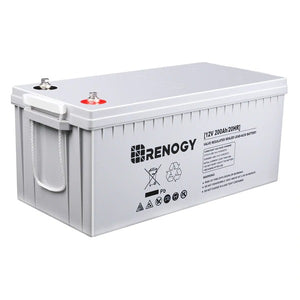
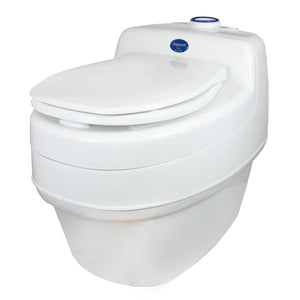


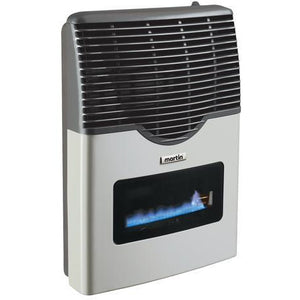
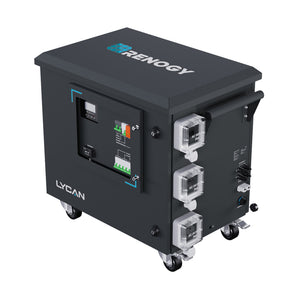






Are you ready to embrace a sustainable lifestyle by growing your own food off the grid? Gardening is a fulfilling and rewarding activity that not only nurtures your connection with nature but also enhances your self-sufficiency. In this guide, we’ll cover the essentials of gardening basics, including planning your garden, soil preparation, planting techniques, and maintaining your crops, all while integrating off-grid solutions such as solar kits, composting toilets, and more.
The Benefits of Growing Food Off Grid
Growing your own food comes with a myriad of benefits. Not only do you enjoy fresh produce, but you also reduce your carbon footprint, save money on groceries, and create a healthier lifestyle. Off-grid living is made even more attainable with the integration of eco-friendly solutions that help you create an efficient gardening space.
Freshness and Flavor
There's nothing quite like harvesting ripe tomatoes or crisp lettuce from your own garden. Homegrown produce is often tastier and more nutritious than store-bought varieties, allowing you to enjoy the full flavor of your food.
Self-Sufficiency
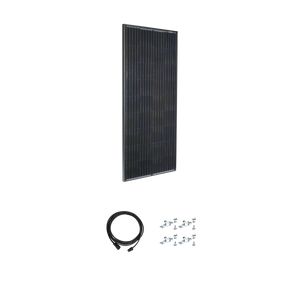
By growing your own food, you decrease your dependence on grocery stores, which is especially important in an off-grid lifestyle. Pair your garden with portable solar panels or solar generators to ensure a continuous supply of energy for essential tools and equipment.
Environmentally Friendly Practices
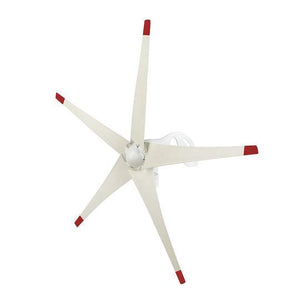
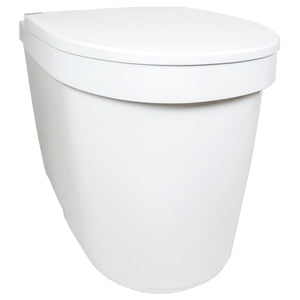
Utilizing composting toilets and practices like composting can significantly reduce waste while regenerating your garden's soil. Furthermore, incorporating renewable energy sources such as wind turbines and portable generators into your gardening setup can foster an eco-friendly atmosphere.
Planning Your Off-Grid Garden
Once you've decided to embark on this green journey, it's time to plan your garden. Consider the following aspects:
Choosing a Location
Your garden location is crucial for plant growth. Look for areas with ample sunlight, good drainage, and access to water. If you are relying on devices like water heaters, consider proximity to your power source.
Deciding What to Grow
Select plants that suit your climate and personal preferences. Common choices for off-grid gardens include:
- Vegetables: tomatoes, peppers, carrots
- Fruits: strawberries, blueberries, apples
- Herbs: basil, mint, rosemary
Garden Layout
A well-planned layout improves efficiency and growth. There are various garden design styles, including:
- Raised Beds: Ideal for controlling soil quality and drainage.
- Vertical Gardens: Perfect for small spaces and maximizing sunlight.
- Row Gardens: Simplifies planting and harvesting processes.
Preparing the Soil
The soil is the foundation for a thriving garden. Off-grid gardening relies heavily on natural methods for soil enhancement. Here are key strategies:
Testing Soil Quality
Before planting, test your soil’s pH and nutrient levels. You can use DIY soil testing kits to achieve this. A balanced soil is essential for healthy plant growth.
Improving Soil Health
Utilize organic compost and natural fertilizers to enrich your soil. Composting toilets can generate high-quality compost that boosts soil fertility. If you’re keen on preserving natural resources, consider implementing rainwater harvesting to irrigate your garden.
Mulching Techniques
Applying mulch around your plants retains moisture, suppresses weeds, and gradually enriches the soil as it breaks down. Organic mulching options include straw, grass clippings, and wood chips.
Planting Techniques
How you plant will influence your success in growing food. Here are some planting techniques and tips:
Seed Starting
Starting seeds indoors gives them a head start, especially in cooler climates. Use seed trays and a grow light, powered by batteries or a solar generator, for optimal results.
Direct Sowing
For certain crops, you may choose to direct sow seeds into the garden bed. Pay attention to seed depth and spacing to encourage healthy growth.
Transplanting Seedlings
When your seedlings are ready, transplant them outdoors during the appropriate season. Acclimatize them to their new environment by introducing them gradually to sunlight.
Maintaining Your Garden
Once your garden is established, ongoing maintenance is essential for success. Follow these practices:
Watering Efficiently
Utilize sustainable watering practices, such as drip irrigation, which can be powered using inverter chargers connected to portable solar panels. Monitor the soil moisture to avoid over or under-watering your plants.
Pest Control
Embrace organic pest control methods to manage harmful insects. Introduce beneficial insects like ladybugs or use homemade organic sprays to deter pests.
Regular Harvesting
Keep an eye on your crops and harvest them regularly to encourage new growth. Consistent harvesting helps prevent overripening and maintains plant health.
Harvesting and Enjoying Your Bounty
After all the time and effort invested in your garden, it’s finally time to enjoy the harvest! Here are some ways to maximize your farm-to-table experience:
Preserving Your Produce
Learn methods to preserve your harvest. Techniques like canning, freezing, and pickling can extend the life of your crops, allowing you to enjoy fresh produce year-round.
Cooking with Fresh Ingredients
Experiment with different recipes that highlight the flavors of your home-grown food. Incorporate seasonal ingredients to create delicious meals and share them with family and friends.
Sharing with the Community
Consider sharing surplus produce with your neighbors or looking into community farmers' markets. This can foster connections and create a stronger sense of community.
Your Off-Grid Gardening Journey Awaits!
Embarking on an off-grid gardening venture allows you to explore new skills, enjoy home-grown food, and contribute positively to the environment. It’s not just about growing plants; it’s about forming a sustainable lifestyle that thrives on self-sufficiency. Utilizing energy-efficient solutions like mini splits, solar kits, and portable generators will help you maintain your gardening practice smoothly and effortlessly. So gather your tools, plan your garden, and get ready to dig into this rewarding experience!