










 (800) 975-2413













Overview
Create a sustainable off-grid garden to grow your own food while reducing your carbon footprint. Key steps include selecting the right location, designing an efficient layout, using solar power, managing water wisely, and practicing natural pest control. Start small, embrace eco-friendly practices, and integrate technology for a successful garden that contributes to a healthier planet.
In a world striving for sustainability, building a garden that thrives off-grid is not just a trend, but a necessity for many households. With the right setup, you can grow your own food while minimizing your carbon footprint and reliance on traditional power sources. This guide will walk you through the essential components for creating a sustainable garden, including necessary tools, methods, and eco-friendly practices.
Why Choose a Sustainable Garden?
The benefits of a sustainable garden extend beyond personal health and aesthetics. By growing your own food, you help reduce the environmental impact associated with commercial agriculture. Here are some significant advantages:
- Fresh Produce: Enjoy vegetables and fruits right from your garden, ensuring they're free from harmful chemicals and pesticides.
- Biodiversity: Supporting various plant species promotes ecological balance and resilience.
- Self-Sufficiency: Reduce reliance on grocery stores and the industrial food system.
- Cost-Effective: Growing your own food can lead to substantial savings in food expenses over time.
- Environmental Impact: Lower your carbon footprint by reducing food transportation and preventing food waste.
Setting Up Your Sustainable Garden
Creating a sustainable garden involves meticulous planning and execution. Here are the critical steps to help you set up your garden:
1. Choose the Right Location
Finding the perfect spot for your garden is crucial. Look for:
- Sunlight: Most vegetables need 6-8 hours of sunlight per day. Observe the space to find full-sun areas.
- Water Access: Proximity to water sources is important, especially for irrigation purposes.
- Soil Quality: Test soil pH and nutrient levels to ensure it’s suitable for gardening.
2. Design Your Garden Layout
Plan your garden layout for optimal space utilization. Consider a combination of:
- Raised Beds: These help with drainage and soil management.
- Vertical Gardening: Utilize vertical space for climbing plants like beans and cucumbers.
- Companion Planting: Plant species that thrive together, such as tomatoes and basil, to foster growth and deter pests.
Essential Tools for Your Sustainable Garden
To maintain your garden, you’ll need specific tools that can keep everything running smoothly:
Solar Power
Incorporating solar energy into your garden setup can drastically enhance its sustainability. Consider investing in:
- Solar Kits: These can power your garden equipment and utilities.
- Portable Solar Panels: Easily moveable panels that can provide energy exactly where you need it.
- Solar Generators: Great for providing supplemental power for lights or small tools.
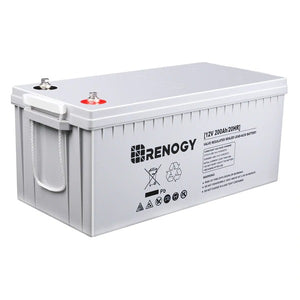
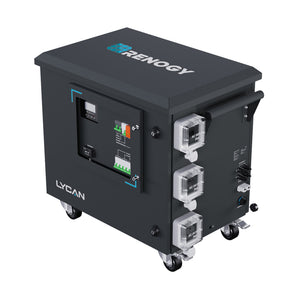
- Inverter Chargers and Batteries: Essential for storing energy generated from your solar kits.
Water Management
Water is vital to your garden's success. Implement systems that conserve water, such as:
- Rainwater Harvesting: Collect and store rainwater in barrels, which can be used for irrigation.
- Drip Irrigation: An efficient system that delivers water directly to the plant roots, minimizing waste.
- Water Heaters: For managing soil temperature in colder areas, consider solar-powered water heaters.
Sustainable Gardening Practices
Adopting sustainable gardening practices can lead to higher yields and a healthier ecosystem:
3. Composting
Utilize a composting system to recycle organic waste into nutrient-rich soil. This process not only minimizes waste but also significantly improves garden health:
- Design a Compost Bin: Use materials like recycled pallets or wire fencing to create your compost bin.
- Add Greens and Browns: Combine nitrogen-rich items (green) like vegetable scraps with carbon-rich materials (brown) like dry leaves for balance.
- Monitor Moisture: Keep your compost pile damp, as moisture is needed for microorganisms to break down waste efficiently.
4. Natural Pest Control
Managing pests naturally is an essential aspect of sustainable gardening:
- Encouraging Beneficial Insects: Invite ladybugs and bees to help pollinate and manage pests.
- Homemade Sprays: Use soap and water or garlic sprays to deter unwanted pests naturally.
- Crop Rotation: Change the plants' locations every season to minimize the build-up of pests and diseases.
Energy Solutions for Off-Grid Living
For a fully sustainable garden, your energy solutions should also be off-grid. Here are a few eco-friendly options:
Gas Heaters and Mini Splits
If you need to maintain a regulated temperature in your greenhouse during colder months, consider:
- Gas Heaters: These efficient heaters can warm your garden and greenhouse without relying on traditional electricity.
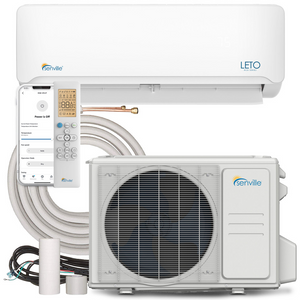
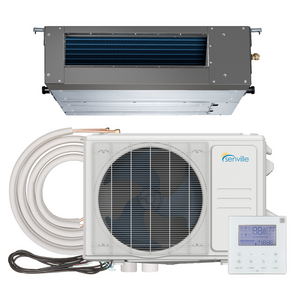
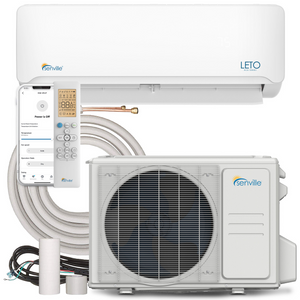
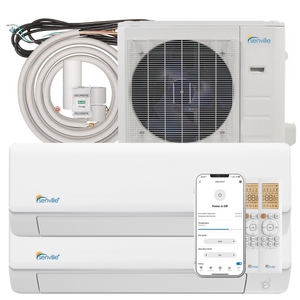
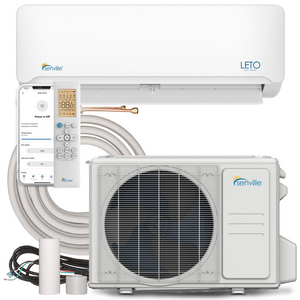
- Mini Splits: These energy-efficient systems provide heating and cooling, making it easier to manage your indoor plants.
Renewable Energy Sources
Implementing other renewable energy sources can help maintain garden operations:
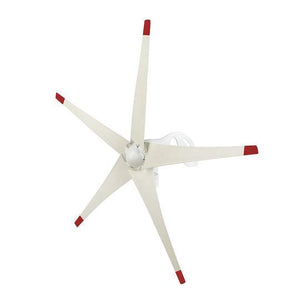
- Wind Turbines: If you have enough space, setting up a wind turbine can supplement your power needs.
- Portable Generators: A versatile option for occasional high energy demands without sacrificing off-grid living.
Integrating Technology in Your Garden
Using technology can significantly improve your garden's efficiency and sustainability:
Smart Irrigation Systems
Invest in smart irrigation systems that monitor soil moisture levels and adjust watering schedules automatically. This ensures your plants receive the right amount of water without wastage.
Garden Monitoring Apps
Utilize apps to track growth, soil conditions, and weather patterns. These can offer valuable insights and predictions to help you manage your garden better.
Getting Started with a Sustainable Mindset
Transitioning to a sustainable garden requires a mindset that embraces eco-conscious practices. Here’s what to consider as you embark on this journey:
- Start Small: Begin with a small garden plot or container gardening to gain experience and confidence.
- Learn Continuously: Participate in workshops, read books, and join online communities focused on organic gardening and sustainability.
- Be Patient: Gardening takes time. Not every plant will thrive, but with effort, you will reap rewarding results.
Beyond the Garden: Embracing Sustainability in Daily Life
Building a sustainable garden is just one piece of a larger puzzle. Embrace sustainable living in your daily life by adopting practices such as:
- Reducing Waste: Emphasize recycling and composting to minimize your household waste.
- Conserving Energy: Use solar panels or other renewable energy systems to power your home.
- Mindful Purchasing: Choose local products and services that align with sustainability goals.
By building a sustainable garden and adopting eco-friendly practices, you contribute to a healthier future for both yourself and the planet. Embrace the journey of growing your own food while becoming a steward of the earth!