










 (800) 975-2413










Overview
Embracing an off-grid lifestyle allows for a deeper connection with nature and sustainability, but adapting to seasonal changes requires thoughtful preparation. Key strategies include optimizing solar energy use, ensuring reliable heating and hot water supply, and managing water resources effectively. Seasonal adjustments and maintenance tasks are essential to thrive throughout the year, enabling a comfortable and empowered off-grid experience.
Embracing an off-grid lifestyle is an empowering choice that allows individuals to connect deeper with nature and cultivate a sustainable way of living. However, adapting to seasonal changes presents unique challenges and requires thoughtful preparations. From harnessing solar energy using solar kits to ensuring a reliable hot water supply with water heaters, living off the grid takes flexibility and resourcefulness. In this article, we’ll cover essential tips and strategies to help you adjust to changing seasons while maximizing your off-grid experience.
Understanding Seasonal Changes
Off-grid living, with its reliance on natural resources, comes with the inevitable ebb and flow of seasonal changes. Whether it's shifting temperatures, varying daylight hours, or alterations in weather patterns, each season demands a different approach to your lifestyle. Understanding how these changes impact your resources and daily living is the first step in making successful adaptations.
The Impact of Seasons on Off-Grid Life
While the beauty of nature unfolds through each season, so do diverse challenges:
- Spring: Heavy rainfall can affect water supplies and solar generation.
- Summer: Longer days provide ample solar energy, but heat can strain cooling systems.
- Autumn: Preparing for colder months begins, with focus on insulation and heating solutions.
- Winter: Snow can impede solar access and temperatures necessitate reliable heating options.
Solar Power Adaptations
For off-grid living, energy management is critical. Adaptation to seasonal changes involves optimizing your solar power usage and generation, particularly in relation to your location and climate.
Maximizing Solar Energy Output
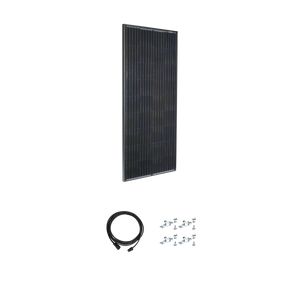
During seasons with longer daylight hours, like summer, you can make the most of solar kits to harness abundant solar energy. Ensure that your solar panels are positioned correctly to capture maximum sunlight, adjusting their angle as necessary throughout the year. This seasonal adjustment can significantly enhance energy production.
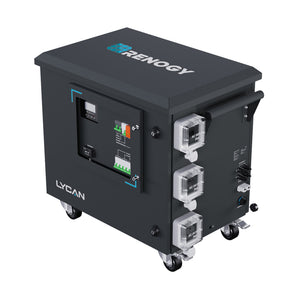
Conversely, during the winter months when daylight is limited, consider integrating a solar generator or utilizing portable solar panels to supplement your power needs or provide backup energy during prolonged overcast conditions. Investing in these adaptable solar solutions ensures that you remain powered, regardless of the season.
Utilizing Energy Storage Solutions
Storage is essential for off-grid living, particularly when transitioning between seasons.
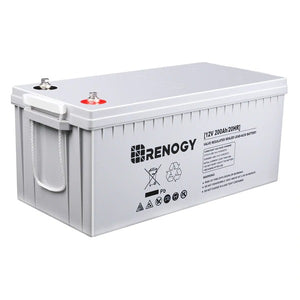
- Batteries: Ensure your batteries are adequately sized to store energy generated during the summer for use in the winter.
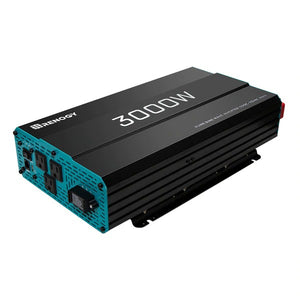
- Inverter Chargers: These devices facilitate seamless energy flow and allow you to utilize stored energy efficiently.
- Portable Generators: Have a backup system in place that can provide additional power if solar resources dwindle.
Heating Solutions: Staying Cozy and Comfortable
The transition to colder seasons necessitates a focus on heating solutions. It’s crucial to choose the right systems that complement your off-grid lifestyle.
Heating Your Space Naturally
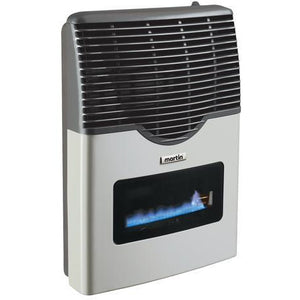
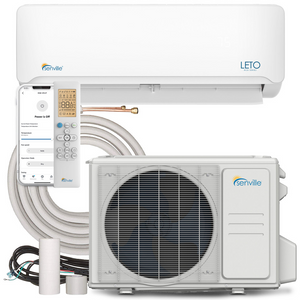
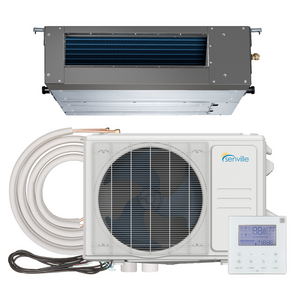
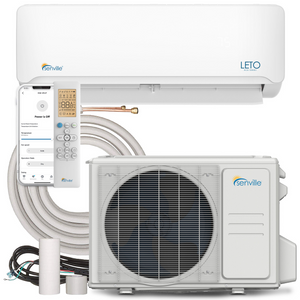
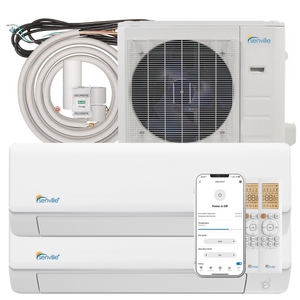
Adopt energy-efficient heating solutions that align with your needs. Consider installing gas heaters for quick warmth during frigid months or installing a mini split heating and cooling system that provides controlled comfort year-round.
Remember, insulation is your best friend. Ensure your home is well-insulated to retain heat during colder months while keeping the sweltering heat at bay in summer. This simple adjustment can significantly reduce your heating and cooling requirements.
Innovative Solutions for Heating Water
Hot water is essential for daily tasks. Evaluate the type of water heaters you utilize. On-demand or tankless water heaters can be incredibly efficient, providing hot water as needed without wasting energy heating excess water.
Moreover, integrating alternative heating sources, such as solar water heaters that absorb solar energy and heat your water, can be greatly beneficial during richer sunlight seasons.
Water Management Through the Seasons
Water is fundamental in off-grid living, and its management changes seasonally. Proper planning ensures that supplies remain consistent throughout the year.
Spring Showers and Water Supply
Spring brings rain, which can be harvested effectively. Collecting rainwater using proper systems allows you to supplement your water supply. Ensure your collection system is well-maintained and operating efficiently.
Winter Considerations for Water Sources
As temperatures drop, your water supply can freeze. Insulate your pipes adequately and consider using heating tape on sections that are particularly vulnerable to freezing. Additionally, having a plan for emergency water supply, such as bottled water or reliable storage tanks, can safeguard against potential shortages.
Wind Power: An Alternative Source of Energy
While solar solutions are integral to off-grid living, incorporating wind energy can enhance your energy independence. This is especially effective in areas where wind patterns are favorable.
Wind Turbines Integration
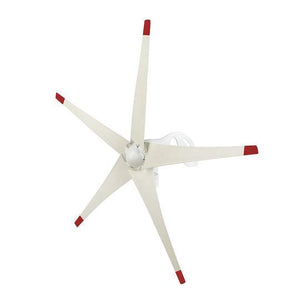
Consider investing in small wind turbines that can work alongside your solar investments, providing additional energy during both sunny and rainy days. Having a dual energy source ensures you are less dependent on a single supply and can adapt better to seasonal changes.
The Flowering Transition: Preparing for Each Season
Every season is an opportunity to learn and prepare. By understanding how to maximize resources and implement flexibility in your off-grid lifestyle, you can thrive in every condition.
Seasonal Maintenance Tasks
Establish a seasonal checklist that includes:
- Inspecting and cleaning solar panels and wind turbines.
- Checking batteries and ensuring they’re charged and functional.
- Winterizing your plumbing by draining pipes and insulating sources.
- Inspecting insulation and repairing any gaps to improve efficiency.
Final Thoughts: Flourishing Through Seasonal Changes
Adapting to seasonal changes in an off-grid lifestyle is not just about survival but thriving amidst nature's varying rhythms. With the right strategies—like leveraging energy-efficient solutions, managing water effectively, and preparing early for seasonal transitions—you can enjoy the distinct beauty each season offers while maintaining the comfort of your home. By embracing the challenges and opportunities of seasonal changes, you become an empowered steward of your off-grid environment. Let's celebrate every season, every challenge, and every step in the journey toward a sustainable and fulfilling off-grid life!