










 (800) 975-2413












Frequently Asked Questions
1. What is off grid living?
2. What are the benefits of off grid living?
3. How do I get started with off grid living?
4. What are some essential utilities for off grid living?
5. How can I achieve self-sufficiency in food while living off grid?
In recent years, the idea of off grid living has gained substantial traction as people seek a more sustainable and self-sufficient lifestyle. This movement encourages individuals to disconnect from traditional utilities and embrace a simpler way of life. If you're intrigued by the concept of off grid living and want to learn more about how to dive into this self-sufficient lifestyle, you’re in the right place. This article will provide you with insights into what off grid living entails, the benefits it offers, and practical tips to get started on your journey of independence.
What is Off Grid Living?
Off grid living refers to a lifestyle that operates independently of public utilities. It means generating your own electricity, sourcing water, and managing waste on your terms. The goal is to reduce reliance on the conventional systems that many people find limiting or unsustainable. This lifestyle can include tiny homes, RV living, cabins in the woods, and even homesteading with sustainable farming practices.
The Appeal of Self-Sufficiency
So why are more and more people considering off grid living? Here are some of the main appeals:
Financial Freedom
Living off grid can lead to significant savings in utility bills and other expenses associated with urban living. By generating your own power via solar panels or wind turbines and using resources wisely, you can reduce your overall costs and create potential income streams by selling surplus energy.
Environmental Impact
Many individuals are motivated by a desire to reduce their carbon footprint. Off grid living often employs renewable energy sources, such as solar, wind, and hydro, which helps minimize environmental degradation. Furthermore, self-composting toilets and gray water systems contribute to sustainable living practices.
Personal Fulfillment
Embracing an off grid lifestyle can provide a sense of personal accomplishment and fulfillment. Overcoming challenges, mastering new skills, and living a life closely connected to nature are all deeply satisfying experiences that often lead to greater happiness and wellbeing.
Getting Started with Off Grid Living
Making the shift to life off the grid can seem daunting, but with the proper planning and preparation, you can ease into this lifestyle. Here’s how to take the first steps towards your self-sufficient adventure:
Research and Education
Before jumping in, it's important to educate yourself on off grid living basics. Read books, watch videos, and join online forums where experienced off gridders share tips and advice. Understanding the many aspects of this lifestyle will set the foundation for your journey.
Choose Your Location Wisely
Selecting a location is a crucial first step in your off grid journey. Consider the following factors:
- Climate: Choose a climate that suits your preferences and where natural resources like water and sunlight are abundant.
- Accessibility: While it's essential to be away from urban centers, consider access to markets, medical facilities, and emergency services.
- Land Ownership: Understand the legalities of land ownership and zoning laws in your area.
Essential Off Grid Utilities
One of the primary concerns for anyone considering off grid living is how to handle utilities without conventional services. Here are some essential utilities to consider:
Electricity Generation
Generating your own electricity is vital for maintaining a comfortable lifestyle. Here are some methods:
- Solar Power: Solar panels are a popular choice for off grid living. They can provide enough power for everything from lighting to appliances.
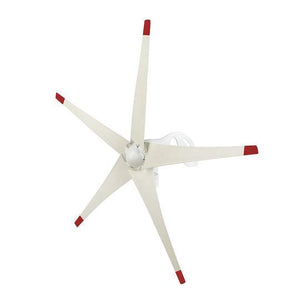
- Wind Energy: If you live in a windy area, small wind turbines can be an excellent supplement to solar power.
- Micro-Hydro Power: If you have access to a stream or river, micro-hydro power systems can generate reliable electricity continuously.
Heating Solutions
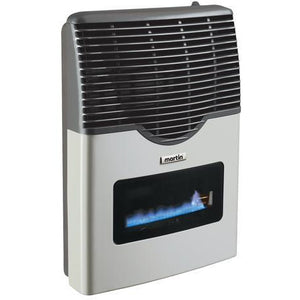
When living off grid, it's important to stay warm in colder months. Many residents choose to install wood stoves and gas heaters for effective heating options. Wood stoves are a classic choice that connects you to your natural surroundings, while gas heaters offer convenience and efficiency when gas is available.
Water Supply
A reliable water supply is crucial for any off grid homestead. Here are some common methods:
- Rainwater Harvesting: Collecting rainwater in barrels is an excellent way to gather a natural resource.
- Wells: Drilling a well can provide a generous water supply, depending on local regulations and groundwater availability.
- Streams/Rivers: If you have access to running water, consider filtration and purification options for safe drinking water.
Waste Management
A successful off grid living experience demands a practical waste management system. Traditional sewage systems might not work, so consider the following alternatives:
Composting Toilets
Composting toilets are a popular off grid solution for waste. They convert human waste into compost, making them environmentally friendly and practical.
Greywater Systems
A greywater system floats the water from sinks, showers, and washers back into your garden for irrigation. This reduces waste and promotes environmental sustainability.
Growing Your Own Food
To achieve true self-sufficiency, growing your own food should be part of your off grid plan. Consider starting a vegetable garden and incorporating permaculture techniques to make the most out of your land. Here are some growing methods to consider:
Vegetable Gardening
Planting a variety of vegetables can provide a steady food supply, helping you depend less on grocery stores. Choose crops according to the season and your local climate to maximize yield.
Fruit Trees
Fruit trees can become a valuable food source once established. Apples, pears, and cherries provide delicious snacks and preserve options.
Animal Husbandry
If you have enough space, raising chickens for eggs or goats for milk can significantly enhance your self-sufficiency. Animals can provide companionship and contribute to your sustainable practices by providing meat or manure for gardens.
Building a Community
Embracing an off grid lifestyle does not mean you have to go it alone. Find like-minded individuals who share your goals and ideals. Building a community creates additional support, friendship, and resources. You might discover new techniques and ideas that enhance your off grid living experience.
Networking and Collaboration
Participate in online forums or local groups focused on sustainability and off grid practices. Collaboration can lead to shared knowledge, tools, and even labor if you need help with larger projects.
Workshops and Classes
Attending workshops or classes can enhance your skills and understanding of various topics related to self-sufficiency. Topics can range from woodworking to permaculture design, which will bolster your capabilities.
Prepare for Challenges
While off grid living can be rewarding, it does come with its challenges. Acknowledge these potential hurdles and prepare yourself for how to approach them:
Isolation
Living off grid can feel isolating at times, especially if you are in a remote location. Maintain connections with family and friends and consider periodic trips back to urban areas for social interaction.
Weather-Related Issues
Understanding how to handle various weather conditions is vital. Develop a plan for heating in winter, cooling in summer, and protecting your water supplies during dry spells. Gas heaters can be an essential component during colder months, ensuring you stay warm and comfortable.
Your Off Grid Dream Awaits
The journey towards off grid living is exciting and filled with learning opportunities. By embracing self-sufficiency and disconnecting from mainstream utilities, you gain not only greater independence but also a deep connection to nature and the satisfaction of creating a sustainable lifestyle.
As you embark on this path, remember that it's okay to take gradual steps to adapt to your new way of life. Celebrate small victories and remain flexible as you navigate the challenges that may arise. Your dedication to embracing off grid living ultimately brings a profound sense of purpose, freedom, and fulfillment that many have sought for years. So roll up your sleeves and start crafting the life you envision!