










 (800) 975-2413









Overview
This guide explores the journey of building an off-grid shelter, emphasizing self-sufficiency and sustainability. Key topics include selecting the right location, designing your shelter with sustainable materials, integrating renewable energy systems like solar and wind, managing water and waste, and creating a comfortable living space. Embrace an off-grid lifestyle for greater independence while harmonizing with nature.
Embracing an off-grid lifestyle can be both an exhilarating and daunting journey. Whether you're aiming to reduce your carbon footprint or simply want to live closer to nature, building your off-grid shelter is the first step toward self-sufficiency. This guide is designed to help you explore various DIY options, covering essential components like energy systems and amenities, ensuring your setup is efficient, sustainable, and comfortable.
Understanding Off-Grid Living
Off-grid living implies a lifestyle free from reliance on traditional utility services, allowing for greater independence and sustainability. This means not just finding a remote piece of land, but also knowing how to create a self-sufficient shelter that meets your basic needs. From energy production to waste disposal, every aspect requires thoughtful planning, starting with the structure itself.
Choosing the Right Location
Before building your off-grid shelter, it's crucial to choose the right location. Factors like access to natural resources, sunlight for solar panels, and water sources should guide your decision. Look for land that offers:
- Good sunlight exposure for solar power.
- Natural water sources or the ability to drill a well.
- Protection from extreme weather conditions.
- Access to local materials for building your shelter.
Designing Your Off-Grid Shelter
Design is a vital aspect of building your off-grid shelter. Depending on your needs and preferences, you can choose from several design options such as tiny homes, yurts, or a simple cabin. Here are a few design considerations:
Size and Layout
Determine how much space you need based on your lifestyle. A small shelter may be enough for one or two people, while larger families may require additional rooms. Keep in mind the future expansion if your family grows or you decide to invite others to join your off-grid living adventure.
Materials for Your Shelter
When selecting materials, consider sustainability and thermal efficiency. Options include:
- Wood: Using reclaimed or locally sourced timber is a great way to minimize your environmental impact.
- Straw bales: These provide excellent insulation and can be relatively inexpensive.
- Earth bags: These are sturdy, eco-friendly, and cost-effective solutions for building well-insulated walls.
Power Your Off-Grid Shelter
Energy production is one of the primary components of an off-grid setup. By combining various renewable energy sources, you can create a resilient energy system tailored to your needs.
Solar Kits
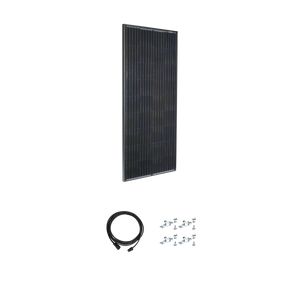
Solar power is an excellent way to generate energy for your off-grid shelter. Utilizing solar kits can help you set up a system to power your lights, appliances, and devices. When selecting solar panels, consider:
- Power output: Choose panels that meet your energy demands.
- Space: Ensure you have enough roof or ground space for your solar panels.
- Quality: Invest in reliable panels for longevity and efficiency.
Wind Turbines
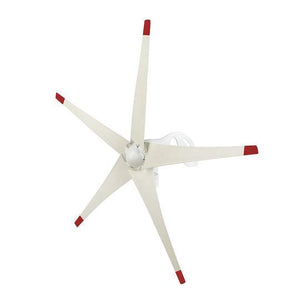
In areas with consistent wind patterns, wind turbines can supplement your energy generation. These devices can harness wind energy, adding another layer of resilience to your energy system.
Battery Systems
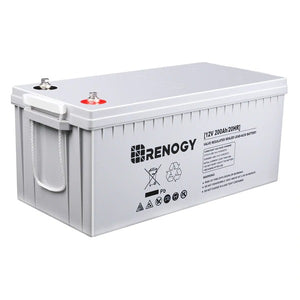
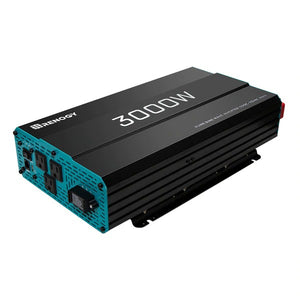
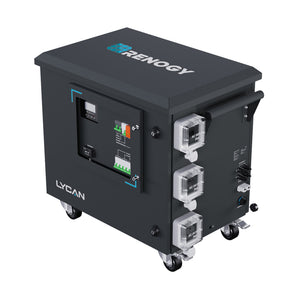
Batteries are crucial for storing energy generated from solar panels or wind turbines. By investing in high-quality batteries, you can ensure a stable power supply even during cloudy days or calm periods. Consider setting up inverter chargers to manage power distribution effectively.
Heating and Cooling Solutions
Maintaining a comfortable temperature in your off-grid shelter is essential. Depending on your climate, you might need to incorporate both heating and cooling systems.
Gas Heaters
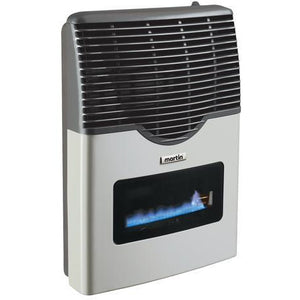
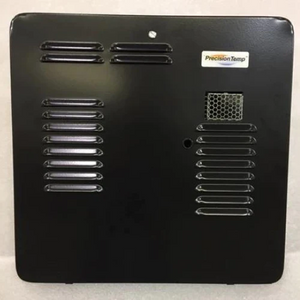
For colder climates, gas heaters can provide effective heating without the need for electrical power. Ensure proper ventilation and safety measures when using gas appliances.
Mini Splits
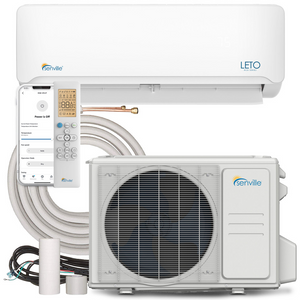
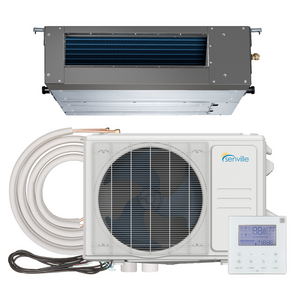
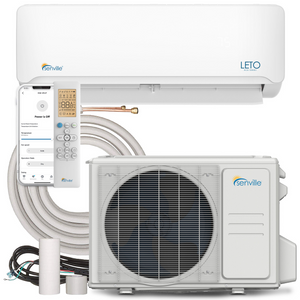
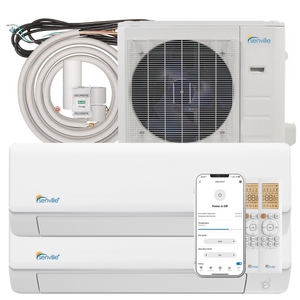
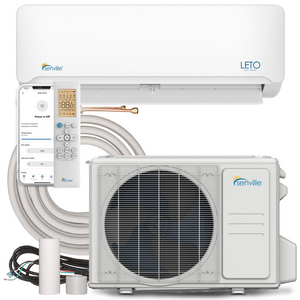
Mini-split systems offer both heating and air conditioning in one small unit. These are especially useful for small spaces, allowing for zone heating and cooling. However, ensure you have the necessary power supply through your solar kits or generators.
Water and Waste Management
Access to clean water is a must for any off-grid shelter. Additionally, managing waste responsibly is crucial for maintaining hygiene and environmental health.
Water Systems
Consider the following options for your water needs:
- Rainwater Harvesting: Set up systems to collect rainwater for drinking and irrigation.
- Wells: Drilling a well can provide a sustainable source of water.
- Pumping and Filtering: Use reliable pumps and filters to ensure your water is clean and safe for consumption.
Composting Toilets
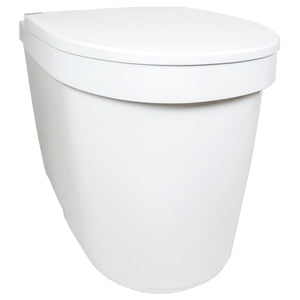
Switching to composting toilets is an eco-friendly choice that helps you manage waste sustainably. They require minimal water, save on plumbing costs, and produce valuable compost as a byproduct.
Emergency and Backup Power Solutions
Even in an off-grid setting, having a backup power source is essential. Power outages can arise from weather disturbances or system failures. Here are a few options to ensure you remain powered:
Portable Generators
These compact devices can provide emergency power when your primary systems fail. It's best to choose generators that are easy to move, set up, and operate.
Solar Generators
Solar generators combine solar panels with storage batteries to offer a silent, emissions-free energy source. They are perfect for short-term power needs and can be used during outages, camping trips, or other situations where power is required.
Creating an Off-Grid Home: Making it Comfortable
Building your off-grid shelter is just the first step; making it comfortable is equally important. Here are some additional considerations to ensure your off-grid living experience is enjoyable:
Insulation and Weatherproofing
Focus on effective insulation to maintain a stable indoor temperature. High-quality insulation materials can significantly reduce your energy needs for heating and cooling. Weatherproof your shelter to protect against moisture, drafts, and outside temperatures.
Decor and Organization
Use natural materials wherever possible to create a warm, inviting environment. Consider multifunctional furniture that saves space while meeting your needs. Create a layout that promotes ease of movement and accessibility.
Final Thoughts on Your Off-Grid Adventure
Embarking on the journey toward building your off-grid shelter can be incredibly rewarding. With careful planning and the integration of sustainable technologies such as solar kits, batteries, wind turbines, and composting toilets, you can create a self-sufficient haven. Remember, building an off-grid home is not only about the physical structure but also about fostering a lifestyle that thrives in harmony with nature. Enjoy the process of designing your unique off-grid experience and revel in the freedom it brings!