










 (800) 975-2413











Overview
Embracing an off-grid lifestyle requires effective waste management to minimize ecological impact. Key points include understanding different waste types (biodegradable, non-biodegradable, and hazardous), implementing composting and recycling systems, and utilizing energy solutions like solar and wind power. Developing a routine for waste management and sharing knowledge can enhance sustainability and inspire others.
Key Takeaways
- Understand Waste Types: Recognize biodegradable, non-biodegradable, and hazardous waste to implement appropriate management strategies.
- Utilize Composting: Composting systems, including composting toilets, effectively recycle organic waste into nutrient-rich soil.
- Implement Recycling Practices: Set up dedicated recycling areas to minimize landfill contributions and promote resource conservation.
- Explore Energy Solutions: Use solar kits and wind turbines to power waste management systems efficiently in off-grid settings.
- Establish a Routine: Develop a daily schedule for waste management tasks to maintain an organized and clutter-free living space.
- Educate and Inspire: Share your off-grid experiences to encourage sustainable practices in your community, amplifying your positive environmental impact.
- Regular System Evaluation: Continuously assess your waste management and energy solutions to identify areas for improvement and enhance sustainability.
Embracing an off-grid lifestyle is both liberating and challenging, especially when it comes to waste management. If you're contemplating living the tiny house life or simply want to reduce your ecological footprint, understanding off-grid waste management is crucial. This guide provides valuable insights into various waste management systems that are effective, eco-friendly, and essential for sustainable living.
Why Off Grid Waste Management is Important
Living off the grid means you are independent from the conventional systems that we typically rely on for waste disposal. Therefore, having a solid understanding of how to manage waste becomes imperative. Not only does effective waste management preserve your immediate environment, but it also reduces pollution and protects natural ecosystems. Here are a few vital reasons to consider:
- Environmental Sustainability: Proper waste management helps to minimize your carbon footprint.
- Resource Conservation: By reusing and recycling materials, you conserve valuable resources.
- Health Protection: Maintaining a clean environment reduces the risk of diseases.
Types of Waste in Off Grid Living
When managing waste off the grid, it is essential first to recognize the different types of waste that you will encounter. Understanding these categories helps to select the best waste management system suited to your needs.
Biodegradable Waste
Biodegradable waste includes food scraps, yard waste, and other organic materials. This type of waste can be composted, thus contributing to nutrient-rich soil for gardening. Utilizing composting toilets is another excellent way to handle human waste while enriching your compost. These toilets work by breaking down waste using aerobic bacteria, naturally reducing pathogens and odors.
Non-Biodegradable Waste
This category includes plastic, metals, and glass, which take much longer to decompose. For non-biodegradable waste, proper disposal or recycling is key. Consider setting up a storage system for recyclable materials to ensure that they are processed responsibly.
Toxic and Hazardous Waste
Items like batteries, fuels, and electrical components fall into this category. Make sure to dispose of them according to local regulations. Look for specialized recycling facilities that handle hazardous materials safely to prevent harmful impacts on the environment.
Methods of Waste Management
Next, let's explore some effective waste management systems that you can implement in your off-grid setup:
Composting Systems
A prevalent method of waste management for off-grid living is composting. This not only helps in breaking down organic waste but also leads to nutrient-rich compost that can be used in gardening. Investing in a composting toilet is one of the best off-grid solutions as it reduces water usage and recycles nutrients back into the soil. With various models available, you can select one that fits your space and needs.
Recycling and Reusing
Consider setting up a dedicated area for recycling. Categorizing waste can reduce landfill contributions and can also be financially beneficial. You can turn many recyclable materials into something entirely new through crafts, thus minimizing waste.
Incineration
Incinerators are another option to consider for managing non-recyclable waste. They do require careful management to minimize harmful emissions. If you go this route, ensure that you comply with local regulations to protect the environment.
Energy Solutions for Off Grid Living
Effective waste management in an off-grid lifestyle is tightly interlinked with energy management. Let's explore the various energy solutions that support sustainable waste management.
Solar Kits
One of the most popular energy solutions for off-grid locations is the use of solar kits. Solar panels can generate electricity for a range of uses, from operating your composting toilet fan to running essential household appliances. Portable solar kits are excellent for unique needs, providing flexibility and convenience.
Wind Turbines
In areas with consistent wind conditions, wind turbines can be an efficient way to generate renewable energy. This energy can be stored in batteries, powering your energy needs while maintaining your focus on waste management.
Batteries and Inverter Chargers
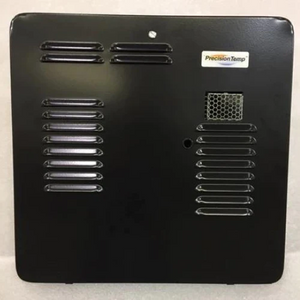
Your energy storage is crucial to maintaining consistency in energy supply. Using batteries in combination with inverter chargers ensures that you have a steady power supply. This allows you to operate essential equipment like composting toilets, water heaters, and more without relying on external networks.
Understanding Off Grid Heating Solutions
Heating solutions also play a significant role in off-grid waste management. Using energy efficiently for heating can make your living environment comfortable while minimizing resource usage.
Gas Heaters
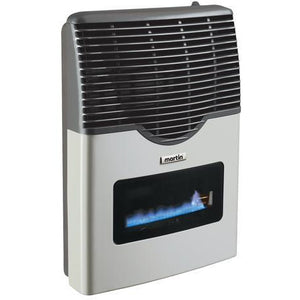
Gas heaters are an option for areas where wood-burning stoves may not be safe. These heating solutions can be configured to operate with minimal fuel, saving on resources while also keeping your space warm.
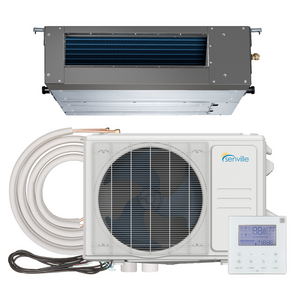
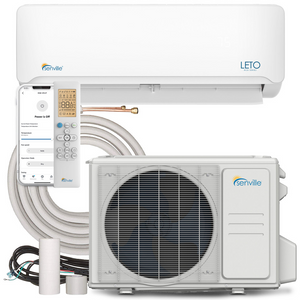
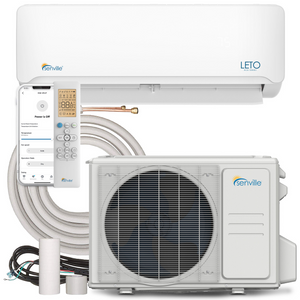
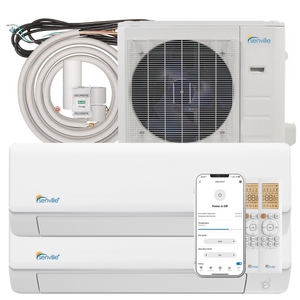
Mini Splits
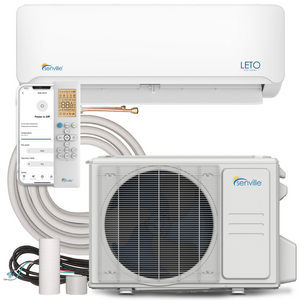
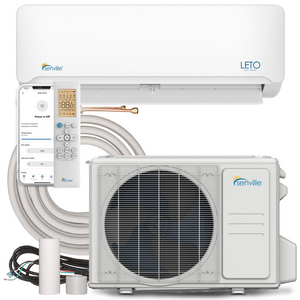
For temperature control without significant energy loss, consider mini splits. They are energy-efficient and can provide both heating and cooling while integrating seamlessly into a sustainable lifestyle.
Portable Energy Solutions
Having the flexibility to generate energy off-grid is critical. Here’s how portable energy solutions can help:
Portable Generators
Portable generators are versatile and useful for temporary needs or emergencies. They can run tools or other devices without needing a permanent setup, providing a backup energy option when the sun isn’t shining or the wind isn't blowing.
Portable Solar Panels
These panels are an excellent addition if space is limited. Easily transportable, portable solar panels can generate power wherever you are, supporting various energy needs without taking up much room.
Solar Generators
Solar generators combine solar panels and rechargeable batteries into a unified unit. They can provide a consistent energy source for many devices, making them perfect for off-grid setups.
Maintaining a Sustainable Off Grid Lifestyle
To sustain your off-grid situation, you need to be vigilant about managing waste and energy. Regularly evaluate your waste management system and energy solutions to identify areas for improvement. This will not only help you keep your ecological footprint minimal but will also enhance your quality of life.
Developing a Routine
Establishing a daily routine for waste management can significantly ease your operations. Schedule time for composting, recycling, and waste disposal. This will ensure that tasks are completed, and your living space remains clutter-free and organized.
Educating Others
Sharing your experience with friends or online communities can promote sustainable practices. By demonstrating the benefits of your off-grid lifestyle, you can encourage others to adopt eco-friendly habits, helping to multiply your impact on the environment.
Inspiring a Greener Tomorrow
The path to mastering off-grid waste management is not just about living sustainably but also about inspiring those around you. As you explore various methods of composting, energy generation, and waste disposal, know that you are part of a broader movement that values the earth we live on. Your commitment to sustainable living showcases a way forward, encouraging others to adopt similar practices for a healthier planet.
By understanding the intricacies and challenges associated with off-grid waste management, you're equipping yourself with the tools to thrive in your sustainable lifestyle. From composting toilets to solar kits, every aspect contributes to a cleaner, greener, and more sustainable future.
Glossary
| Term | Meaning |
|---|---|
| Off-Grid | Living independently from public utilities. |
| Biodegradable Waste | Organic materials that can decompose naturally. |
| Composting | Breaking down organic waste into nutrient-rich soil. |
| Non-Biodegradable Waste | Materials that do not decompose easily, like plastics. |
| Toxic Waste | Hazardous materials requiring special disposal. |
| Recycling | Processing waste to create new products. |
| Incineration | Burning waste to reduce volume and manage disposal. |
| Solar Kits | Equipment for harnessing solar energy. |
| Portable Generators | Mobile power sources for temporary energy needs. |
| Mini Splits | Energy-efficient heating and cooling systems. |
Linked Product

Sun-Mar Compact Composting Toilet
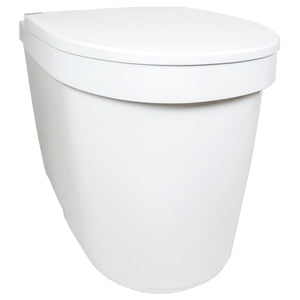
The Sun-Mar Compact Composting Toilet offers a stylish and functional solution for waste management in smaller spaces, making it ideal for light residential or medium cottage use. Featuring an innovative Bio-drum design for efficient composting and a built-in ventilation system, it ensures a fresh bathroom environment while effectively managing waste. This self-contained unit requires no external plumbing, making it a practical choice for those looking to embrace sustainable living without sacrificing aesthetics.
View Product