










 (800) 975-2413










Overview
Explore the benefits of off-grid living, focusing on sustainability and wildlife connection. Learn about essential preparations, energy solutions like solar kits, and water management strategies. Embrace a lifestyle that harmonizes with nature while respecting local wildlife and creating a wildlife-friendly environment.
In a world that is rapidly urbanizing, many people are seeking refuge in the tranquil embrace of nature. Living off-grid not only offers a sustainable lifestyle but also an opportunity to explore the rich wildlife all around us. With the right preparations and equipment, such as solar kits and portable solar panels, you can harmonize your living space with the environment. In this blog, we’ll delve into the exciting aspects of off-grid living with a focus on wildlife exploration, sustainability, and survival.
Understanding Off-Grid Living
Off-grid living entails a lifestyle that is independent from public utilities. Individuals who choose this lifestyle often prioritize sustainability, minimalism, and a deeper connection with nature. For those wishing to explore the wilderness, understanding the fundamentals of off-grid living becomes crucial. The main objectives are to use resources wisely and respect local wildlife while ensuring your own comfort and safety.
Connecting with Wildlife: Why It Matters
Being in nature allows you to observe wildlife in its natural habitat. This unique connection not only enriches your life but also fosters respect and appreciation for the environment. Encountering animals—be it birds, deer, or even insects—can teach us invaluable lessons about balance and coexistence. However, it is essential to remember that as humans, we are guests in their home; thus, it’s our responsibility to minimize our impact.
Creating a Sustainable Living Environment
Creating a home that coexists harmoniously with nature involves utilizing sustainable technologies. Here are several solutions that can enhance your off-grid lifestyle while also protecting the wildlife around you:
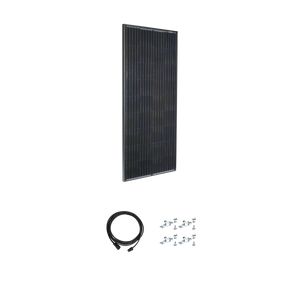
- Solar Kits: These kits are essential for generating renewable energy, ensuring you have power without harming the environment.
- Composting Toilets: These waste management systems reduce water usage and rely on natural processes, returning nutrients back to the earth.
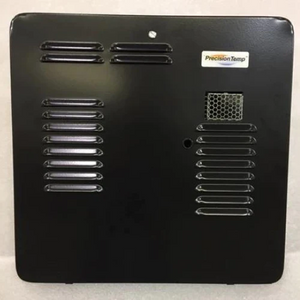
- Water Heaters: Investing in energy-efficient water heaters can minimize the energy required for heating water, which is crucial in maintaining an off-grid lifestyle.
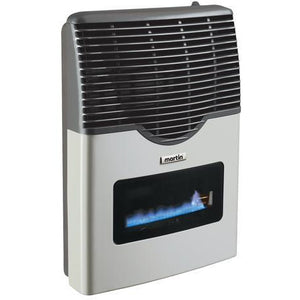
- Gas Heaters: Utilize gas heaters or other alternative heating solutions to ensure warmth during colder months without compromising environmental standards.
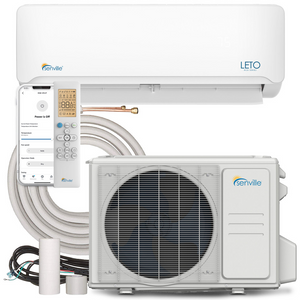
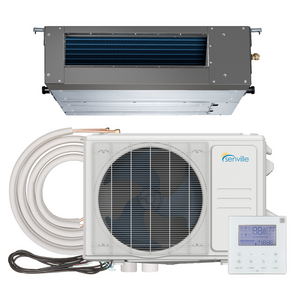
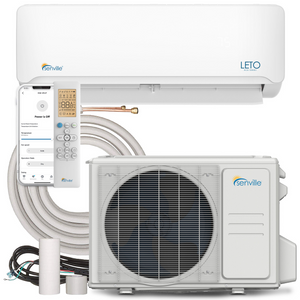
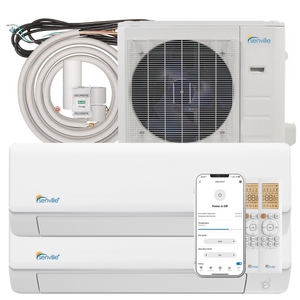
- Mini Splits: These systems provide efficient heating and cooling without consuming significant energy, allowing you to maintain a comfortable temperature year-round.
- Portable Solar Panels: Easy to set up and transport, these panels allow you to harness solar energy while exploring remote areas.
Energy Solutions for Off-Grid Living
Energy needs will vary based on your lifestyle, but ensuring reliance on renewable sources is key. Here are some common energy solutions that support a sustainable off-grid lifestyle:
Solar Generators
Solar generators are an excellent option for those looking for an all-in-one power solution. They offer a reliable and quiet alternative to traditional generators, perfect for remote areas. Solar generators harness sunlight and convert it into electricity, which you can use to power your devices.
Portable Generators
If you need an energy backup, portable generators are invaluable during cloudy days or emergencies. They’re particularly beneficial for short-term camping trips, offering extra power wherever you go. Just ensure that when using portable generators, you are following safety guidelines and minimizing noise pollution for local wildlife.
Wind Turbines
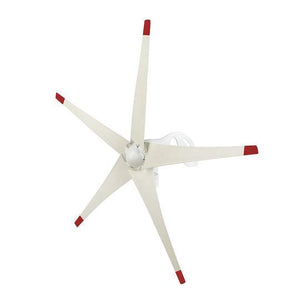
Wind turbines can be employed as an additional energy source, especially in areas where wind is more abundant than sunlight. They effectively store energy generated by wind, which can be utilized along with your solar setup for a balanced energy system.
Water Management in Off-Grid Living
Water is one of the most vital resources, especially when living off-grid. Ensuring access to clean water while minimizing depletion of natural resources is essential.
Harvesting Rainwater
Rainwater harvesting is a great way to collect water for various uses, from drinking to gardening. Be sure to install proper filtration systems to ensure that the water collected is clean and safe for consumption.
Implementing Water Heaters
Energy-efficient water heaters should be part of your off-grid setup. They can be fueled by various types of energy, including propane or solar energy, thus making them versatile and environmentally friendly.
Respecting Local Wildlife
While living off-grid, it is essential to make conscious efforts to respect local wildlife. Here are a few tips to follow:
- Maintain Distance: Always observe wildlife from a distance to minimize stress on the animals.
- Educate Yourself: Learn about the species that inhabit your area and their habitats. Understanding the behaviors and needs of the animals helps in protecting them.
- Minimize Waste: Use composting toilets and proper waste disposal methods to reduce your ecological footprint and avoid attracting wildlife.
Creating a Wildlife-Friendly Space
Your choice of off-grid living should also extend to how you create a habitat around your home. Here are some strategies on how to make your surroundings more friendly to wildlife:
Native Plant Gardens
Planting native flora can attract beneficial wildlife such as pollinators and birds. Native plants are adapted to the local ecosystem, requiring less maintenance and supporting local fauna.
Providing Water Sources
Consider adding bird baths or small ponds to attract and support the wildlife around you. These water sources can sustain creatures while also adding beauty to your off-grid habitat.
Living Off-Grid: A Detailed Guide
Now that we’ve explored various aspects of living harmoniously with nature, let’s take a step-by-step look at what it takes to thrive in an off-grid environment:
Assess Your Needs
Before you dive in, conducting a thorough assessment of your power and water needs is essential. Will you need gas heaters for winter? Are mini splits necessary during hotter months? Determining your needs first helps in planning your resources wisely.
Choose Your Location Wisely
Your location significantly influences your success in off-grid living. Look for a spot with abundant resources—plenty of sun for your solar kits, wind for your wind turbines, and proximity to clean water sources.
Sustainable Structures and Setup
Design and build your living space with sustainability in mind. Use eco-friendly building materials and efficient design principles. Install solar panels and inverter chargers to ensure a steady power supply. Don’t forget to include a suitable waste management system, such as composting toilets, to minimize your ecological footprint.
Adventures Await: Embracing Life Off the Grid
Living off the grid is more than just a lifestyle; it's a transformative experience that offers unparalleled adventures. As you immerse yourself in nature, a world of exploration unfolds—each day brings new wildlife encounters, unexpected challenges, and the joy of self-sufficiency.
Imagine waking up to the sound of rustling leaves and distant bird calls instead of an alarm clock. The smell of rich earth lingers in the air as you sip your morning coffee. Every moment becomes a celebration of life, and every interaction with wildlife deepens your connection to the environment.
In conclusion, embracing off-grid living means not only adapting your lifestyle but also becoming a caretaker of the environment. By harnessing renewable resources like solar kits and composting toilets, your journey can thrive while coexisting with wildlife. So grab your gear, prepare your energy systems, and take the plunge into a life rich in adventure, sustainability, and harmony with nature!