










 (800) 975-2413



















Overview
Living off the grid offers independence and a closer connection to nature, but food preservation is crucial. This guide covers various techniques such as canning, dehydrating, fermenting, and using solar and wind energy for efficient food storage. It also highlights modern methods like low-watt refrigeration and creative solutions like biodynamic gardening and ice houses. By integrating these sustainable practices, you can maintain a diverse, nutritious food supply while minimizing waste and reliance on traditional utilities.
Living off the grid can be an incredibly rewarding experience, offering you independence from traditional utilities and a closer connection to nature. However, one of the critical challenges many face is how to preserve food effectively without relying on conventional refrigeration methods. In this guide, we will explore various food preservation techniques that not only keep your supplies fresh but also align seamlessly with an off-grid lifestyle, utilizing solar kits, composting toilets, and other sustainable technologies.
The Importance of Food Preservation
Food preservation is essential, especially when you're living off the grid. Fresh produce, meats, and dairy can spoil quickly without proper care. Effectively preserving food not only extends its shelf life but also reduces waste, saves you money, and allows for a more diverse diet year-round. By implementing various techniques, you can maintain a continuous food supply, which is vital for your off-grid sustainability.
Traditional Food Preservation Methods
Canning
Canning is a time-honored technique that seals food in airtight containers to prevent spoilage. This method is particularly effective for fruits, vegetables, and even meats. You can use a simple stovetop or camp stove powered by portable generators for the heating process, keeping your food safe and delicious.
Dehydrating
Dehydrating food involves removing moisture from fruits, vegetables, and meats, hindering the growth of bacteria, yeast, and molds. Dehydrators can be powered by batteries or solar generators, thus accommodating your off-grid needs. Dried foods can last for years, and they take up far less space than their fresh counterparts.
Fermenting
Fermenting is another fantastic preservation method that not only retains food but also enhances its nutritional value. Implementing fermentation techniques for vegetables – such as sauerkraut and kimchi – can turn your produce into probiotic-rich superfoods without requiring excessive energy resources. This method is perfect for off-grid living, as it requires minimal equipment.
Utilizing Sustainability in Food Preservation
Solar Power for Food Preservation
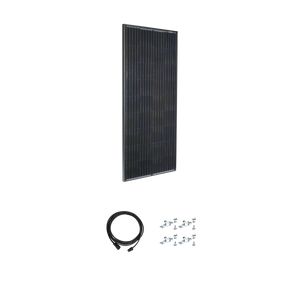
Leveraging solar power can make food preservation more efficient and environmentally friendly. Small-scale solar kits can provide the energy needed for refrigeration or for using an electric dehydrator. Many mini splits can operate off-grid with solar energy, making it easier to cool down your space while preserving perishables.
Wind Energy as an Alternative
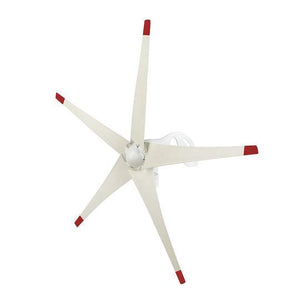
Wind turbines are another excellent energy source for preserving food. They can generate a significant amount of electricity that can power your food preservation appliances. Integrating these wind turbines with your solar systems can lead to effective off-grid energy management.
Modern Techniques in Food Preservation
Using Refrigeration Efficiently
Even when living off-grid, you may still desire refrigeration. Low-wattage refrigerators can run efficiently on solar or wind energy, especially when supported by inverter chargers that convert stored electricity from batteries. Look for energy-efficient models that suit the off-grid lifestyle, allowing you to keep your perishables fresh.
Smart Freezing Techniques
Freezing can be highly effective for preserving food in bulk. Portable solar panels can power small freezers, allowing you to freeze large amounts of meat, fish, and seasonal fruits when they're at their peak. Remember to divide your food into manageable portions for easy access.
Creative Solutions for Food Preservation
Biodynamic Gardening
By practicing biodynamic gardening, you can enhance your food supply while preserving foods more effectively. This sustainable form of agriculture utilizes composting toilets to enrich the soil, yielding fresh vegetables and herbs that can be harvested and preserved. Not only does it promote health and wellness, but it also complements the round-the-year supply of preserved food.
Ice Houses and Root Cellars
For those living in cooler climates, ice houses and root cellars can provide natural temperature regulation, prolonging the life of your harvested foods. These structures can be built with minimal impact on the environment, offering an excellent way to store produce without any electrical needs. This traditional technique aligns perfectly with the principles of off-grid living.
Water: The Unsung Hero of Food Preservation
Water plays a crucial role in food preservation, from the humidity levels in storage areas to the moisture content in foods themselves. Having access to a reliable water source is essential for effective food preservation techniques. Consider incorporating rainwater harvesting systems to collect and store water for various uses, including food washing and preservation methods.
Using Water Heaters Wisely
Portable water heaters can aid in certain preservation methods, particularly when canning or cleaning foods. When you utilize solar generators to power these devices, it helps create a sustainable ecosystem for preserving food efficiently and responsibly.
Conclusion: A Flavorful Future Awaits
Embracing food preservation methods in off-grid living can lead to a more sustainable, flavorful, and fulfilling lifestyle. By ingeniously integrating solar kits, wind turbines, and innovative techniques, you can keep your food supply fresh without traditional utilities. Be creative, embrace traditional practices, and leverage modern sustainable technologies to extend the lifeline of your food supply, ensuring a rich and nutritious diet. The journey toward self-sufficient living is both rewarding and delicious, paving the way for a flavorful future.