










 (800) 975-2413













Overview
This article explores sustainable transportation options for off-grid living, emphasizing eco-friendly methods like bicycles, electric vehicles, and solar-powered transportation. It highlights the importance of using renewable energy sources, such as solar and wind, to reduce environmental impact. Additionally, it discusses the benefits of energy management systems, alternative fuels like biofuels, and emerging technologies like hydrogen fuel cells. The piece concludes by encouraging off-gridders to embrace these solutions for a more comfortable and sustainable lifestyle.
Choosing a sustainable lifestyle as an off-gridder comes with unique challenges, especially when it comes to transportation. Whether you're living in a tiny house, a converted van, or simply seeking alternatives to conventional vehicles, it’s essential to consider eco-friendly options. In this article, we’ll explore various sustainable transportation methods that align with your lifestyle. From solar kits to wind turbines, we’ll delve into how these solutions can facilitate your off-grid journey.
The Importance of Sustainable Transportation
Transportation is a major contributor to greenhouse gas emissions. For off-gridders, adopting sustainable transportation methods is not just a personal choice, but a necessary step towards reducing environmental impact. By using eco-friendly vehicles and energy sources, you contribute to a cleaner planet and promote a lifestyle that values sustainability.
Understanding Your Options
When diving into sustainable transportation, it's important to know the various options available to you. Here are a few methods that stand out:
- Bicycles: An excellent way to stay active while reducing carbon emissions.
- Electric Vehicles: With advancements in battery technology, electric cars are becoming more accessible and efficient.
- Solar-Powered Vehicles: These utilize solar kits and portable solar panels to harness energy from the sun.
- Public Transportation: When available, public transit can be an excellent way to minimize your carbon footprint.
- Carpooling: This collaborative approach reduces the number of vehicles on the road.
Utilizing Renewable Energy in Transportation
Renewable energy is at the core of sustainable transportation. Integrating renewable energy sources into your transportation infrastructure can significantly enhance sustainability. Let’s examine how different renewable energy sources can be utilized.
Solar Power for Transportation
Solar energy is one of the most accessible forms of renewable energy for off-gridders. By installing solar kits on your vehicle's roof or at your homestead, you can harness energy for various applications:
- Charging Electric Vehicles: Solar energy can be used to charge the batteries of electric vehicles, making them a greener option.
- Powering Accessories: Whether it’s for navigation systems or sound equipment, solar energy can power various accessories in your vehicle.
- Reducing Dependency: By utilizing solar generators, you can lessen dependence on fossil fuels.
Wind Energy's Role in Sustainable Transport
Wind turbines can also serve as an innovative energy source for off-gridders. By using wind power, you can offset fuel consumption for transportation. Consider the following:
- Portable Wind Turbines: These can be set up easily at your homestead to generate energy for charging batteries, which can be used for electric vehicles.
- Combining Solar and Wind: A combination of portable solar kits and wind energy allows for more consistent power due to varying weather conditions.
Energy Management for Transportation
Managing energy efficiently is crucial for maximizing the benefits of renewable energy for off-grid transportation. Investing in batteries and inverter chargers can greatly enhance energy stability.
Battery Storage for Maximum Efficiency
Batteries allow you to store excess energy generated from solar or wind energy, which can then be used to power your vehicle or other devices. Here are several benefits:
- Always Prepared: With a reliable battery system, you’ll be prepared for emergency situations and extended trips.
- Flexible Energy Use: Stored energy can be used for various applications, including lighting, cooking, and, of course, transportation.
Smart Inverter Chargers
Inverter chargers play an essential role in converting energy from your batteries for use in your electric vehicle. Consider the following:
- Efficiency: Modern inverter chargers have high-efficiency rates, helping to maximize energy usage.
- Multi-Functionality: They can manage energy from solar panels, ensuring that power flows smoothly into your battery storage and acts quickly when you need it.
Alternative Fuel Options
Exploring alternative fuels can be an excellent way to enhance sustainability in off-grid transportation. Here are a few options:
Biofuels
Biofuels are derived from organic materials and can be a direct replacement for conventional fuels. By using recycled cooking oil or other organic materials, you can create biofuels to power diesel engines without heavy modifications.
Electric Vehicles with Advanced Battery Technology
Electric vehicles (EVs) powered by high-capacity batteries serve as a clean alternative to traditional cars. With the right batteries, many off-gridders can travel long distances without relying on gasoline. Some advantages include:
- Lower Operating Costs: Electricity is often cheaper to use than gasoline.
- Reduced Maintenance: Electric engines typically require fewer repairs compared to gas engines.
Hydrogen and Other Emerging Technologies
While still developing, hydrogen fuel cells present a promising future for sustainable transportation. This technology uses hydrogen gas to produce electricity, emitting only water vapor. Here’s why you should keep an eye on it:
- Quick Refuel Times: Refueling hydrogen vehicles can be done in minutes, similar to standard gas stations.
- High Efficiency: Hydrogen fuel cells can convert chemical energy directly into electric energy with fewer losses.
Mobile Comfort and Convenience on the Go
As a sustainable traveler, comfort and convenience are still important considerations. Fortunately, off-grid living offers unique solutions!
Water Heaters for On-the-Go Living
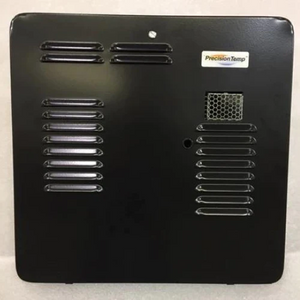
Efficient water heaters powered by solar or wind energy can enhance your travel experience. A portable water heater can provide hot water for cooking and bathing, making off-grid living comfortable.
Portable Generators
Portable generators can be invaluable during travels, especially when camping or staying in remote locations. These generators can be powered by algae biofuel or charged with solar energy using portable solar panels, offering flexible energy options.
Essential Off-Grid Provisions for Sustainable Travel
Alongside sustainable transportation, certain provisions can make your off-grid journey fruitful and secure. Here are critical essentials to consider:
- Composting Toilets: Environmentally friendly and easy to maintain.
- Gas Heaters: These can be powered with propane and used for warmth and cooking.
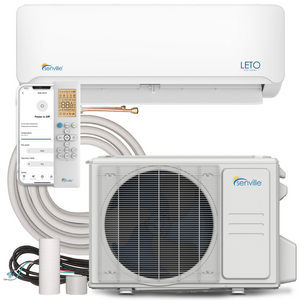
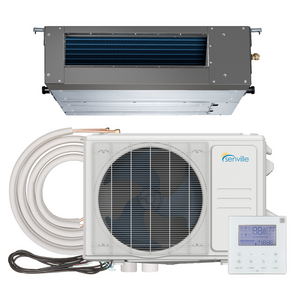
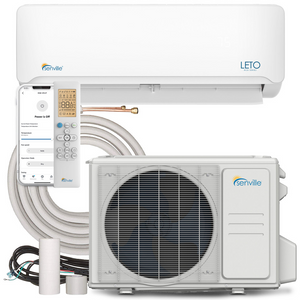
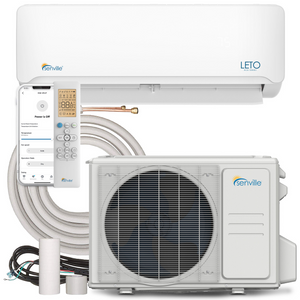
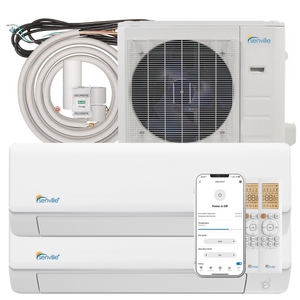
- Mini Splits: Air conditioning systems that can run efficiently on renewable energy, keeping your space comfortable.
The Off-Grid Journey Awaits
Embracing sustainable transportation methods as an off-gridder not only minimizes your environmental impact but also enhances your quality of life. By utilizing renewable energy sources, integrating advanced energy management systems, and investing in eco-friendly options, you can navigate effortlessly through the wilderness while maintaining comfort and convenience. Embrace the innovation that sustainable transportation has to offer, and embark on your off-grid journey with confidence and enthusiasm!