










 (800) 975-2413












Overview
Off grid living is on the rise as people seek sustainable and self-sufficient lifestyles. Key trends include the adoption of renewable energy sources like solar and wind power, advancements in energy storage technology, and eco-friendly infrastructure such as composting toilets and efficient heating systems. Smart technology is enhancing energy management, while portable solutions offer convenience for mobile off grid living. Emphasizing nature-centric practices and community engagement, off grid living represents a shift towards a greener future.
As society progresses and environmental concerns intensify, the appeal of off grid living continues to grow. Individuals and families are increasingly seeking sustainable and self-sufficient lifestyles, leaning on advancements in technology and the availability of essential tools. In this article, we'll explore the future of off grid living, focusing on trends and innovations that are shaping this growing movement.
The Rise of Renewable Energy Sources
At the core of off grid living is the ability to harness renewable energy. People are moving away from traditional power supplies towards more sustainable energy solutions. Technologies like solar kits, wind turbines, and portable solar panels are becoming essential for those aiming to live off the grid.
Solar Kits: Powering the Future
Solar kits are paving the way for a sustainable tomorrow. These comprehensive systems include solar panels, inverters, and batteries, allowing users to generate and store their own energy. With the cost of solar technology decreasing and efficiency increasing, more people are investing in solar energy. Homeowners can now generate sufficient power to run their appliances and charge their devices without relying on traditional power grids.
Wind Turbines: Harnessing Nature's Energy
Wind energy is another important component of off grid living. Small-scale wind turbines can be installed on residential properties, blending harmoniously with natural landscapes while converting wind energy into usable power. This renewable energy source pairs excellently with solar power, especially in areas where sunlight may be limited during certain seasons.
Advanced Energy Storage Solutions
The increasing reliance on renewable energy has led to significant advancements in energy storage technologies. Batteries and inverter chargers play crucial roles in making off grid living feasible and efficient.
Introducing Inverter Chargers
Inverter chargers not only convert the DC energy produced by solar panels into AC energy for household use, but they also manage battery charging. This dual-purpose functionality is essential for households aiming for energy independence. Modern inverter chargers are becoming smarter, allowing for better energy management and monitoring, ensuring that users maximize their resources.
The Evolution of Battery Technology
Battery technology is evolving rapidly, with innovations in lithium-ion batteries leading the charge. These batteries are smaller, longer-lasting, and more efficient than traditional lead-acid batteries. As a result, they are becoming the go-to option for off grid living. They can easily store energy generated from solar generators and work well with other renewable sources, significantly enhancing the users' energy independence.
Essential Off Grid Infrastructure
Living off grid requires more than just energy sources; it demands a comprehensive approach to infrastructure development. Key areas include waste management, heating, and hot water supply.
Composting Toilets: Sustainable Sanitation
One of the most significant changes coming to off grid living is the widespread adoption of composting toilets. These innovative systems provide an eco-friendly alternative to conventional flush toilets. Composting toilets break down human waste into compost, which can be safely returned to the soil after the process is completed. This sustainable sanitation option not only conserves water but also enhances the self-sufficiency of off grid households.
Gas Heaters and Water Heaters: Efficient Comfort
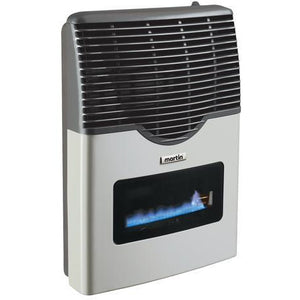
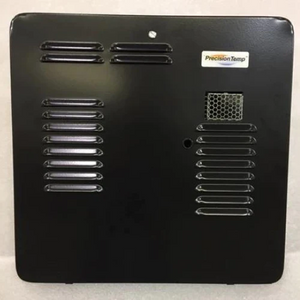
Heating solutions are essential for comfort in off grid living. Gas heaters are becoming increasingly popular thanks to their efficiency and reliability. Many off-gridders are opting for energy-efficient, safe models that require minimal maintenance. Similarly, off grid water heaters, whether powered by propane, solar energy, or biomass, ensure that homeowners can access hot water without relying on external infrastructure.
Climate Control with Mini Splits
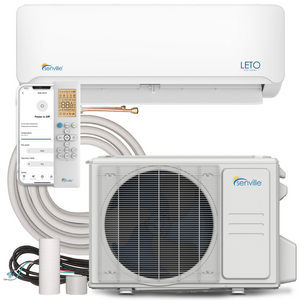
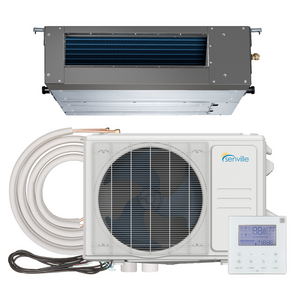
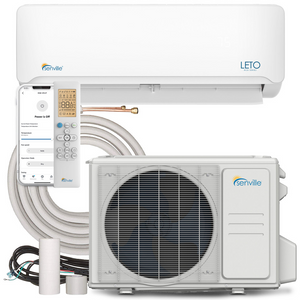
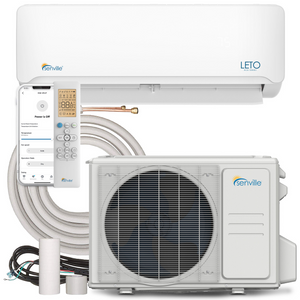
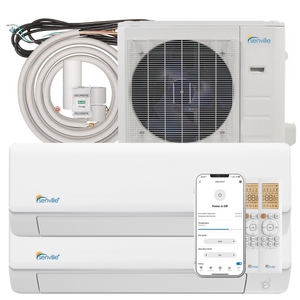
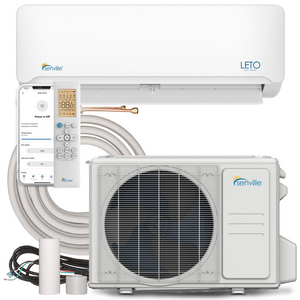
As climate changes, having effective climate control becomes essential. Mini splits offer an efficient means of heating and cooling, decreasing energy consumption. With the benefits of zone control, off grid homeowners can regulate temperatures based on their needs, ultimately promoting energy efficiency and reducing waste.
The Integration of Smart Technology
As technology advances, the off grid living movement embraces smart home technologies that help users monitor and manage their energy consumption. Smart systems provide valuable data on how much energy is used by appliances, ensuring homeowners are aware and can make informed decisions.
The Role of Smart Meters
Smart meters allow homeowners to track their energy production and consumption in real-time. This information can be invaluable for managing renewable resources efficiently, optimizing energy use, and ensuring that energy demands are met without exceeding available resources.
Remote Monitoring Systems
Having access to your home's energy performance data remotely can make a world of difference in off grid living. Remote monitoring systems allow users to check their energy levels, battery health, and power generation from anywhere. This feature ensures peace of mind and aids in troubleshooting potential issues before they escalate.
Mobility and Portability in Off Grid Living
As off grid living becomes more appealing, the demand for mobility and portable solutions is on the rise. Portable solar kits and generators are transforming the way individuals approach off grid lifestyles.
Portable Solar Kits: Convenience Redefined
Portable solar kits have gained popularity for their versatility and convenience. These kits allow users to harness solar energy wherever they go, making it easier to transition to off grid living. Whether camping, traveling, or setting up a small off grid home, portable solar panels can provide a reliable source of power.
Meet Portable Generators
Portable generators have become vital for those requiring backup power solutions. They are especially useful during emergencies or in situations where renewable energy sources may not be sufficient. The lightweight design and ease of transport mean that these generators can provide peace of mind without compromising the spirit of off grid living.
Nature-Centric Approaches to Living
As more people delve into off grid lifestyles, an emphasis on sustainability and healing the Earth emerges. This is evident in various trends geared towards creating harmony between living spaces and nature.
Sustainable Agriculture Practices
Many off grid homes are incorporating sustainable agriculture practices through permaculture and regenerative farming methods. These techniques not only ensure a continuous supply of food for households but also promote environmental health. By utilizing greenhouses, aquaponics, and natural fertilizers, off gridders can cultivate healthy gardens while preserving precious natural resources.
Natural Building Materials
The desire for sustainability has encouraged individuals to explore natural building materials for their homes. Techniques like cob, straw bale, and earthbag construction are gaining popularity. These materials are low-impact, energy-efficient, and can be locally sourced, reducing transportation emissions and promoting a harmonious relationship with the environment.
Engagement with the Off Grid Community
As interest in off grid living grows, so does the sense of community among those who embrace it. Engaging with like-minded individuals provides support, inspiration, and valuable resources.
Sharing Knowledge and Experiences
Online forums, social media groups, and local off grid events allow individuals to share knowledge and experiences. From DIY projects to troubleshooting renewable energy systems, the community is a great resource for expanding one's understanding of off grid living. This collaboration fosters innovation and inspires individuals to continue working towards sustainable living goals.
The Importance of Workshops and Skills Training
Hands-on workshops and training courses can enhance off grid skills and encourage new methods for tackling challenges in self-sufficiency. Be it building skills, gardening techniques, or energy management, participating in these workshops can equip aspiring off gridders with the knowledge they need to thrive.
Where Do We Go From Here?
The future of off grid living is enticing, filled with trends and innovations that promise a greener, self-sufficient lifestyle. As renewable energy sources gain traction, advanced energy storage solutions become available, and sustainable practices are embraced, individuals will continue to seek solace and freedom from traditional lifestyles. Whether you’re drawn to solar kits, composting toilets, or the community aspect of off grid living, it’s clear that the journey towards a more sustainable existence is only just beginning. Embrace this revolution and explore how you can transform your living situation into a harmonious blend of comfort, sustainability, and independence.