










 (800) 975-2413













Overview
Living off the grid offers self-sufficiency, but securing water can be challenging. Water harvesting techniques, like rainwater collection and surface runoff management, provide sustainable solutions for off-grid homes. By integrating renewable energy sources like solar kits and wind turbines, homeowners can enhance their water systems. Proper storage and filtration are essential for clean water, and maintenance ensures efficiency. Embracing these methods promotes a sustainable lifestyle while reducing dependency on municipal supplies.
Living off the grid is a rewarding experience that allows individuals to enjoy a self-sufficient lifestyle. However, one challenge often faced by off-grid dwellers is securing a consistent supply of water. Water harvesting techniques can provide a sustainable solution for homeowners seeking alternative water sources. In this article, we’ll explore various water harvesting methods that can benefit off-grid homes, while seamlessly integrating essential components such as solar kits, mini splits, and more. Let’s dive into the world of water harvesting!
Understanding Water Harvesting
Water harvesting refers to the collection and storage of rainfall or surface runoff for later use. For off-grid homes, this technique reduces dependency on municipal water supplies and can significantly cut costs. Water harvested can be used for drinking, irrigation, and more, making it an invaluable resource for those living independently.
The Importance of Water Harvesting
Water is essential for survival, especially in off-grid settings. Relying solely on well water or municipal sources can be limiting and costly. With effective water harvesting techniques, off-grid homeowners can:
- Ensure a steady water supply
- Reduce their water bills
- Enhance environmental sustainability
- Become more self-sufficient
Common Water Harvesting Techniques
When it comes to water harvesting, there are several methods to consider. Each technique can suit different climates and home designs:
Rainwater Harvesting
Rainwater harvesting is one of the most common and efficient ways to gather water. This involves capturing rain from roofs or other surfaces and redirecting it to storage tanks. For off-grid homes, it's crucial to have an effective rainwater collection system in place.
Surface Runoff Collection
Surface runoff collection focuses on gathering rainwater that flows across land surfaces. This is particularly useful in areas with heavy rainfall. Techniques can include creating ditches or swales to channel the water into retention basins or tanks. By implementing this method, homeowners can maximize their water supply from nature.
Groundwater Recharge
Establishing groundwater recharge involves directing rainwater back into the earth. This naturally replenishes aquifers, which can be beneficial for long-term water availability. Utilizing systems like permeable paving and rain gardens can aid in this technique while promoting natural drainage and reducing erosion.
Choosing the Right Storage System
Once water is collected, the next step is storage. Proper storage systems are crucial to ensure the water remains clean and viable for use. Off-grid homes often utilize large tanks made from various materials:
- Plastic Tanks: Lightweight and affordable, ideal for smaller spaces.
- Metal Tanks: Durable and long-lasting, but can be heavier and costlier.
- Concrete Tanks: Very sturdy and temperature-resistant, but require more installation effort.
Incorporating Filtration Systems
Regardless of your chosen storage method, adding filtration is a must to ensure clean water. Systems can vary from basic sediment filters to complex reverse osmosis setups. Consider using systems that can operate alongside solar generators or portable solar kits, ensuring they function even in off-grid conditions.
Enhancing Your Water Harvesting System with Renewable Energy
Integrating renewable energy solutions is vital in off-grid living. Here’s how various technologies can complement your water harvesting system:
Using Solar Kits
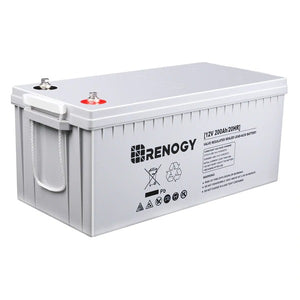
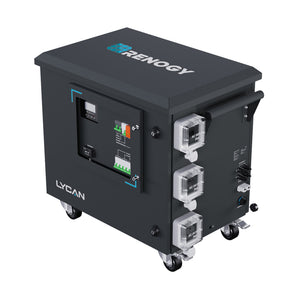
Solar kits can power filtration systems, water pumps, and more. By using solar energy, homeowners can reduce or eliminate their reliance on fossil fuels, making water harvesting both efficient and eco-friendly. Additionally, pairing portable solar panels with battery storage ensures power availability day and night.
Wind Turbines as a Complementary Power Source
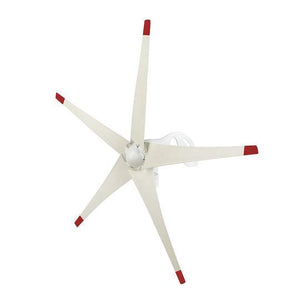
In areas with sufficient wind, wind turbines can provide supplemental power to your water harvesting system. Energy generated can charge inverter chargers and batteries, providing consistent power for pumps and systems, allowing homeowners to access their water supply at any time.
Utilizing Water for Sustainability
After successfully harvesting and storing water, consider the various ways to use it in your off-grid home. Here are some sustainable practices to implement:
Irrigation Systems
Utilize harvested rainwater for irrigation, reducing dependence on municipal sources for landscaping and personal gardening. A well-planned irrigation system can help grow food sustainably and support the pool of natural resources, contributing to the self-sufficiency of your home.
Water Heaters and Composting Toilets
Integrating water heaters can enhance comfort by providing warm water for showers and cleaning while using harvested rainwater. It’s wise to use energy-efficient heaters powered by renewable resources, like solar generators. Additionally, opting for composting toilets can save water and create a more sustainable waste management solution.
Maintenance of Your Water Harvesting System
Like any system in your off-grid home, routine maintenance of your water harvesting setup is essential. This ensures efficiency and longevity:
- Regularly clean gutters and downspouts to prevent clogs.
- Inspect and maintain tanks for leaks or contaminants.
- Test water for quality to ensure safety.
Adapting to Seasonal Changes
Be prepared to adapt your water harvesting methods according to seasons. During dryer months, utilizing water-saving techniques or increasing your storage capacity can help bridge the gap until the next rainfall.
Off-Grid Living: The Bigger Picture
By embracing water harvesting techniques, off-grid homeowners can create a sustainable and independent lifestyle. This, in turn, aligns with other eco-friendly practices such as using solar kits, gas heaters, and mini splits for energy efficiency. Investing in renewable energy will not only power your water system but also ensure a comfortable environment while saving on energy bills. With thoughtful planning and implementation, your off-grid home can thrive in harmony with nature.
Embrace the freedom of sustainable living. Start harvesting water today and witness how it transforms your off-grid experience into a self-sufficient and eco-friendly lifestyle. Integrate various aspects of renewable technology—make the wise choice to invest in your future while treading lightly on our planet!