










 (800) 975-2413












Overview
Living off the grid requires effective waste management and resource conservation for a sustainable lifestyle. Key strategies include using renewable energy sources, optimizing water usage, implementing eco-friendly waste solutions like composting toilets, and adopting minimalism. By embracing these practices, you can enhance self-sufficiency and contribute to environmental conservation.
Living off the grid presents unique challenges, particularly in terms of waste management. However, achieving a sustainable lifestyle not only contributes to environmental conservation but also enhances the efficiency of your living space. By adopting strategic practices and integrating innovative technologies, you can significantly reduce waste and make the most of your off-grid experience. In this guide, we explore various methods and tools that will help you on your journey toward a greener lifestyle, from solar kits to composting toilets.
Understanding the Off-Grid Lifestyle
The off-grid lifestyle focuses on self-sufficiency away from conventional energy systems and utilities. This lifestyle requires a commitment to reducing waste, conserving resources, and making responsible choices about energy use, waste management, water usage, and overall living conditions.
The Importance of Waste Reduction
Reducing waste is crucial for maintaining ecological balance, particularly when living off the grid. Minimizing waste not only alleviates the burden on the environment but also enhances your quality of life. Here are a few reasons why it matters:
- Reduces Resource Consumption: By minimizing waste, you decrease the demand for new resources, which is essential in an off-grid setting.
- Increases Self-Sufficiency: Less waste means you need fewer resources to manage that waste, allowing you to focus on self-reliance.
- Promotes Sustainability: Waste reduction contributes to a more sustainable way of living that can better protect the planet for future generations.
Implementing Effective Waste Reduction Strategies
Here are actionable strategies to help you maintain a minimal-waste lifestyle while living off the grid:
1. Embrace Renewable Energy Sources
Using renewable energy sources is critical to reducing waste in an off-grid lifestyle. By harnessing the power of the sun and wind, you can reduce your reliance on fossil fuels and other unsustainable practices. Consider these options:
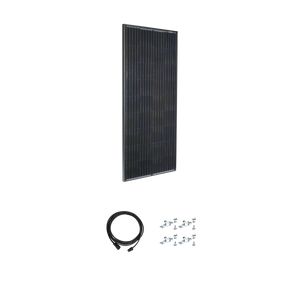
- Solar Kits: Set up solar kits to convert sunlight into energy. Portable solar panels can be employed for various applications like charging batteries, operating appliances, or powering water heaters.
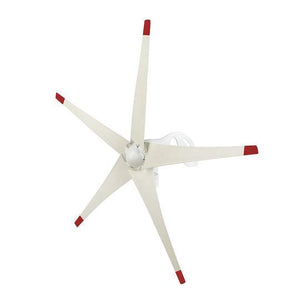
- Wind Turbines: Wind energy is another fantastic renewable source. Installing wind turbines can supplement your power needs and reduce reliance on traditional energy sources.
- Solar Generators: These are efficient and versatile for powering small devices and can serve as a backup power source when needed.
2. Optimize Water Usage
Water is a precious resource, particularly in off-grid living. Here are ways to conserve water and manage waste efficiently:
- Collect Rainwater: Install a rainwater collection system to harness natural precipitation. This can supplement your water needs for household use and irrigation.
- Water-Saving Devices: Consider utilizing low-flow faucets, shower heads, and composting toilets to minimize water usage, ensuring that your living environment is eco-friendly.
3. Choose Sustainable Waste Management Solutions
Effective waste management is essential in an off-grid lifestyle to keep your surroundings clean and functional. Here are some eco-friendly options:
- Composting Toilets: These toilets break down human waste into compost, drastically reducing the need for water and eliminating pollution associated with traditional sewage systems.
- Composting Organic Waste: In addition to human waste, composting kitchen scraps and yard waste creates nutrient-rich soil, thereby minimizing landfill contributions.
4. Energy-Efficient Heating and Cooling
Climate control can lead to significant energy costs. However, choosing energy-efficient options can help you maintain a comfortable environment without wasting resources:
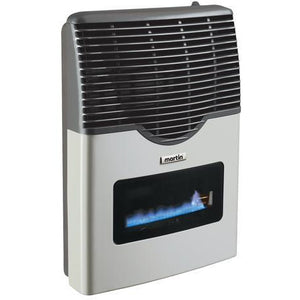
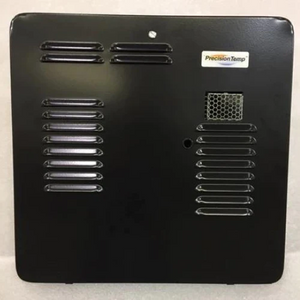
- Gas Heaters: Using gas heaters can be efficient for keeping your space warm in cooler months, leading to lower wasted energy costs.
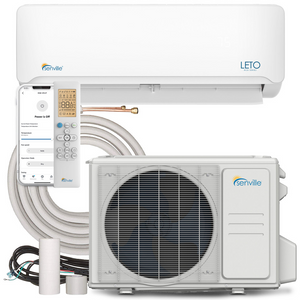
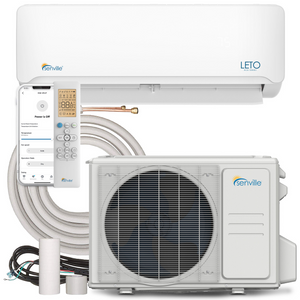
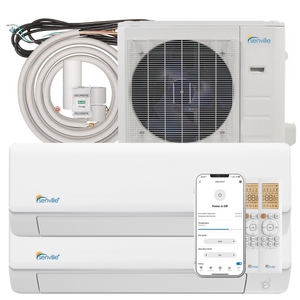
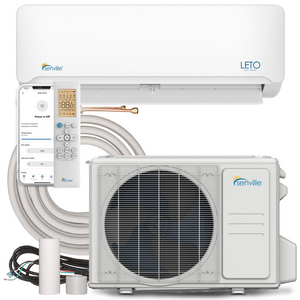
- Mini Splits: These systems allow for targeted heating and cooling, which can consume less energy than traditional heating methods.
5. Reduce, Reuse, Recycle
The principle of “reduce, reuse, recycle” is crucial in maintaining minimal waste levels in an off-grid lifestyle. Here are ways to implement these practices:
- Reduce: Be mindful of consumption. Purchase only what you need and select durable products that will last.
- Reuse: Before discarding household items, consider if they can be repurposed in some way. Creative reuses can give a second life to materials.
- Recycle: Set up a recycling station for metals, plastics, and glass to ensure these materials are disposed of responsibly.
Powering Your Off-Grid Experience Efficiently
A sustainable off-grid lifestyle involves not just minimizing waste, but also effectively managing the energy you produce and consume. Here’s how technology can support you:
Batteries and Inverter Chargers
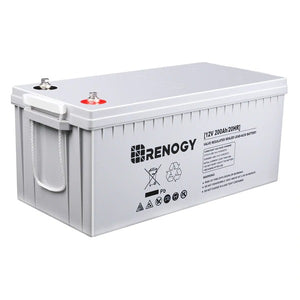
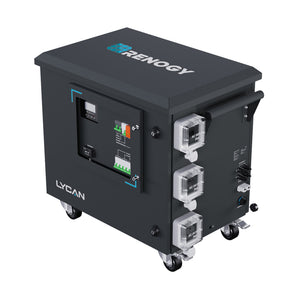
Batteries are integral components of an off-grid system. They store energy generated from solar panels or wind turbines for later use. Pairing these batteries with inverter chargers helps you convert the stored energy into usable power for household appliances, significantly reducing the need for external energy sources.
Portable Generators
In cases where renewable energy may not fully meet your energy needs, portable generators serve as an excellent backup solution. They can efficiently power tools, appliances, or devices while maintaining a balance in your overall energy consumption.
The Role of Portable Solar Kits
Portable solar kits are particularly beneficial for those who may travel around and seek flexibility in generating power. These kits provide a convenient solution for accessing solar energy anywhere, ensuring resource availability doesn’t become a challenge.
Adopting Minimalism
Embracing minimalism can drastically reduce waste by encouraging you to live with fewer possessions. In an off-grid lifestyle, where space and resources are limited, adopting a minimalist approach can lead to a more fulfilling life. Here’s how you can start:
- Declutter Regularly: Routinely assess your possessions and purge items that are no longer useful or necessary.
- Invest in Quality: Opt for high-quality items that are durable rather than disposable, leading to fewer purchases in the long run.
- Digital Over Physical: Wherever possible, choose digital alternatives to physical products. For example, use e-books instead of printed copies.
Ready to Transform Your Lifestyle?
Reducing waste while living off the grid can significantly enhance your connection to the environment and self-sufficiency. By embracing renewable power sources, optimizing resource usage, and implementing mindful waste management techniques, you can create a sustainable existence.
Explore our range of solutions at Tiny House Essentials as you embark on your journey toward an eco-friendly lifestyle. By choosing the right technologies and adopting innovative practices, you'll lead a life that reflects your values, contributing not only to your well-being but to the health of our planet as well. Start your transformation today!