










 (800) 975-2413












Overview
Living off the grid offers self-sufficiency and a connection to nature but requires careful emergency preparedness. Key elements include first aid training, a well-stocked first aid kit, risk assessment for potential emergencies, reliable communication methods, power solutions like solar energy, and water management strategies. Regular maintenance of supplies and having a tailored emergency plan are essential to ensure safety and health in off-grid living.
Living off the grid offers many rewards, from self-sufficiency to a deep connection with nature. However, it also comes with unique challenges, especially when it comes to first aid and emergency preparedness. Whether you’re using solar kits to power your cabin or employing composting toilets for sanitation, your health and safety must remain a priority. In this guide, we'll explore essential first aid practices, emergency preparedness strategies, and vital supplies needed for a safe off-grid lifestyle.
The Importance of First Aid Training
Before diving into supplies and preparations, let's discuss the significance of first aid training. Understanding how to react in emergencies can save lives—yours or someone else's. Start by enrolling in a certified first aid course. Many community centers, hospitals, and organizations like the Red Cross offer comprehensive training. Learning fundamental skills, such as CPR, wound care, and how to use automatic external defibrillators (AED), are invaluable, especially in remote areas.
The Fundamentals of First Aid Supplies
Equipping yourself with a well-stocked first aid kit is crucial. A typical off-grid first aid kit may include:
- Adhesive bandages of diverse sizes
- Gauze pads and tape
- Antiseptic wipes
- Burn cream and antibiotic ointment
- Prescription medications tailored to personal or family needs
- Emergency blankets
- Pain relief medication
- Splinting materials
Consider storing these supplies in a waterproof, durable container. Additionally, familiarize yourself with the contents of your kit so you know where everything is when time is critical.
Emergency Preparedness Essentials
Preparing for emergencies goes beyond first aid. Off-grid living often means being isolated from immediate medical help. Therefore, it is vital to have a plan. Below are steps to help enhance your emergency preparedness:
Risk Assessment
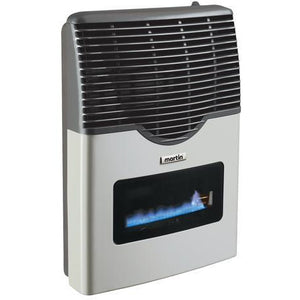
Conduct a thorough assessment of potential risks. Consider natural disasters such as floods, storms, wildfires, or medical emergencies. Understanding the risks allows you to tailor your preparations to your unique environment. For instance, if you live in an area prone to heavy snowfall, having a sturdy source of heat, such as gas heaters or mini splits, is essential for maintaining warmth.
Communication & Signaling Strategies
In emergencies, communication becomes crucial. Cell service may be intermittent or unavailable, so explore alternatives. Consider investing in:
- Satellite phones for remote communication
- Two-way radios for local communication
- Emergency signal mirrors or whistles for attracting attention
Powering Your Emergency Needs
In off-grid living, reliable energy sources play a significant role in emergency preparedness. Be prepared for unexpected power outages by incorporating various energy solutions:
Utilizing Solar Power
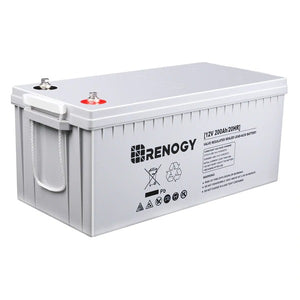
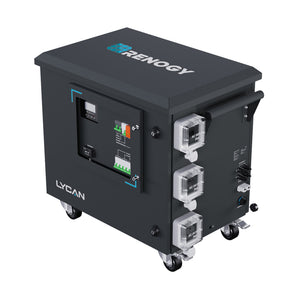
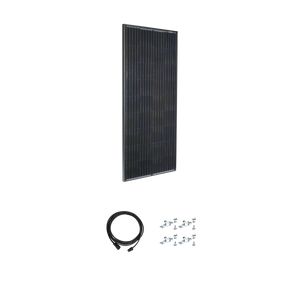
Solar energy is a popular choice among off-gridders. Portable solar panels can provide electricity to charge devices, power lights, and even run small appliances. With a good setup of solar generators and batteries, you can ensure your first aid gadgets and emergency tools remain functional during blackouts.
Backup Power Sources
Gas or portable generators can serve as backup power when solar energy isn't available. Make sure your generator is well-maintained and you have adequate fuel supplies on hand. Consider using inverter chargers to convert battery power into usable electricity for sensitive devices.
Water Management and Hygiene
Water is vital for survival, particularly during emergencies. Off-gridders often rely on natural sources, rainwater harvesting, or wells. Consider these options for ensuring access to clean water:
- Water purification tablets or filters to ensure safety
- Water storage tanks for emergency reserves
- Education on natural water sources’ reliability and risks
Hygiene is equally critical. Off-grid living may involve toilet solutions such as composting toilets, which help manage waste in an environmentally friendly way. Keeping hygiene supplies, such as soap, hand sanitizer, sanitary items, and trash bags, accessible is essential for maintaining health during emergencies.
Heating And Cooking During Crises
When emergencies strike, having a reliable source of heat is crucial for comfort and safety. Use proven methods, such as:
Woodstoves & Gas Heaters
In addition to gas heaters, a woodstove can function as both a heating source and a cooking appliance, making it a versatile addition to your off-grid setup. Ensure that you have a sufficient supply of dry wood and proper ventilation for both options.
Cooking Without Electricity
Having alternative cooking methods is vital during power outages. Consider options like:
- Portable camping stoves
- Solar ovens that utilize the sun's energy
- Cooking on an open fire, provided it's safe and permitted in your area
All these methods contribute to a sustainable off-grid lifestyle while ensuring you can provide nutritious meals even during a crisis.
First Aid Kit Maintenance and Expansion
It’s not enough to have a first aid kit; regular maintenance is crucial for its effectiveness. Here’s how to ensure your kit remains ready for use:
Regular Checks
Evaluate the contents of your first aid kit every few months. Check expiration dates on medications and replace anything that is outdated. Restock supplies that have been used up, and assess whether additional items may be necessary based on your recent experiences.
Stay Informed
Stay updated on best practices in first aid and emergency preparedness. Many online courses, workshops, and resources can enrich your knowledge. Also, collaborate with neighbors or local off-grid communities to share insights and strategies that enhance everyone’s preparedness.
Your Ultimate Off-Grid Emergency Plan
Creating a well-thought-out emergency plan is paramount. Tailor your plan to your family's specific needs, geography, and potential risks.
Evacuation Routes
If you live in a remote area prone to natural disasters, familiarize yourself with multiple evacuation paths. Ensure all household members know these routes and have designated meeting points in case of separation.
Emergency Contacts
Compile a list of emergency contacts, including friends, family, and local support services. Keep this list easily accessible, potentially printed and included in your first aid kit or displayed in your living space.
Final Thoughts on Off-Grid Preparedness
Thriving in an off-grid lifestyle comes with responsibilities, particularly regarding health and safety. By equipping yourself with vital first aid skills, maintaining a comprehensive kit, harnessing the power of renewable energy through solar kits or wind turbines, and having a solid emergency preparedness plan, you can confidently face the unexpected. Embrace your off-grid journey with the knowledge that you are equipped to handle any challenges that may arise!