










 (800) 975-2413


















Overview
Off-grid living offers significant mental benefits, including reduced stress, enhanced creativity, and a deeper connection to nature. This lifestyle promotes simplicity, reduces decision fatigue, and encourages community building. Engaging with nature, working with your hands, and utilizing sustainable practices contribute to overall well-being and mental clarity. Embracing off-grid life can lead to a fulfilling and harmonious existence, fostering both personal growth and environmental responsibility.
In today’s fast-paced world, the allure of off-grid living is stronger than ever. As individuals seek solace from the chaos of urban life, many are discovering that living simply, in harmony with nature, can bring profound mental benefits. From reducing stress to enhancing creativity, living off the grid can reconnect us with ourselves and the environment. In this article, we will explore the mental benefits of off-grid living, focusing on practical considerations like solar kits, composting toilets, and other sustainable solutions.
The Call of Nature
One of the most significant mental benefits of off-grid living is the deep connection it fosters with nature. Immersing yourself in a natural environment has been shown to reduce anxiety and stress levels significantly. When you replace the sounds of traffic and urban noise with birdsong and rustling leaves, your mind begins to relax. Studies have found that spending time outdoors can lower cortisol levels, the hormone directly associated with stress, leading to a calmer state of mind.
Feeling Grounded
Living off the grid encourages you to ground yourself, both literally and figuratively. Walking barefoot on the earth, tending to a garden, or simply breathing in the fresh air can help you feel more connected to your surroundings. This sense of grounding contributes to a positive sense of self and can elevate your overall mood. Additionally, being mindful in nature cultivates a sense of gratitude and appreciation for the little things, enhancing emotional well-being.
The Power of Simplicity
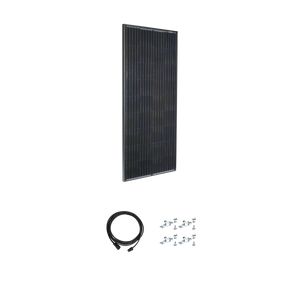
In an era dominated by consumerism and overabundance, off-grid living promotes a return to simplicity. This lifestyle often involves choosing sustainable solutions, such as using solar generators and portable solar panels to harness renewable energy. This shift not only benefits the environment but also encourages a more straightforward approach to daily life. Simplifying your living arrangements, utilizing composting toilets, and minimizing waste can lead to a more fulfilling existence.
Reducing Decision Fatigue
Modern life often bombards us with choices, leading to decision fatigue; however, off-grid living necessitates prioritizing needs over wants. This reduction in choices can free up mental space, leading to increased clarity and focus. Instead of being overwhelmed by maintaining complex systems and technologies, off-grid dwellers can enjoy a lifestyle that's more in tune with their personal values.
Creativity and Inspiration
Many creative individuals find that being immersed in nature stimulates their imagination. Off-grid living can provide the perfect backdrop for creativity to flourish. With the absence of digital distractions and a return to simple daily activities—such as gathering water, cooking over a gas heater, or working on DIY projects—your mind can wander freely and generate new ideas.
Connection to Art and Nature
When living in an off-grid environment, the beauty and tranquility of nature can inspire your artistic endeavors. This lifestyle encourages individuals to express themselves through different forms of art, whether it’s painting, writing, or crafting. With less noise and less pollution, your senses become heightened, allowing for deeper inspiration.
The Physical and Mental Health Benefits
Off-grid living not only positively impacts our mental state but also has significant physical health benefits. Engaging in manual tasks such as building, gardening, and maintaining energy systems—like solar kits or wind turbines—gives your body the physical exercise it requires. These activities can improve physical health, leading to better mental health outcomes as well.
Working with Your Hands
The simple act of working with your hands has been linked to improved mood and mental clarity. Building a shelter, installing an inverter charger, or setting up solar kits involves focus and intention that can divert attention from daily stressors. Moreover, accomplishing tangible goals, like creating a beautiful garden or efficiently running your own energy systems, translates into a sense of achievement and satisfaction.
Community Building
Living off the grid does not mean being isolated. Many off-grid dwellers find a strong sense of community with like-minded individuals. Engaging in conversations about sustainability and offline living can provide meaningful connections that enhance mental wellness. Sharing experiences, tips on the use of portable generators, or advice on solar energy solutions creates a support network that strengthens your resolve to live off the grid.
The Power of Sharing Knowledge
As you engage with your community, sharing knowledge about sustainable living can be incredibly rewarding. Teaching others how to set up portable solar kits or successfully manage composting toilets not only reinforces your skills but also builds confidence. This reciprocal learning fosters mental growth as you share your successes and challenges with others in your community.
Grounding Techniques and Off-Grid Practices
For those considering off-grid living, you may be wondering how to integrate grounding techniques into your daily routine. Here are some practical methods to connect with nature while enhancing mental wellness:
- Mindful Walks: Spend time in nature, taking slow, deliberate walks. Pay attention to your surroundings, and reconnect with the experiences that excite your senses.
- Gardening: Cultivating a garden not only provides food but also serves as a therapeutic activity. Feel the soil between your fingers and observe the growth process.
- Disconnecting: Limit your technology use. Turn off devices regularly to focus on the present moment and enjoy nature’s beauty.
- Observational Journaling: Document your experiences in nature. Write about the sights, sounds, and feelings you encounter in your off-grid lifestyle.
- Practicing Gratitude: Each day, take a moment to reflect on what you appreciate in your off-grid life.
Manage Your Resources Wisely
Understanding how to manage resources such as water heaters, batteries, and gas heaters is crucial for a successful off-grid lifestyle. Efficient use of these resources reduces waste and ensures a sustainable living environment. Knowledge of systems like solar generators or portable solar panels allows you to tailor your energy use, contributing to overall mental clarity and focus.
The Role of Renewable Energy
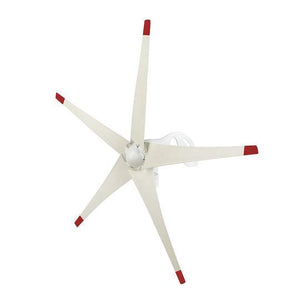
Utilizing renewable energy sources helps you cultivate a harmonious relationship with your surroundings. Incorporating tools such as wind turbines and solar kits not only empowers you to take control of your energy resources but can also significantly lower your carbon footprint. This conscious effort to reduce impact contributes to a sense of empowerment and wellbeing.
Embracing the Journey: Your Path to Mental Clarity
Ultimately, connecting with nature and embracing the off-grid lifestyle can lead to significant mental benefits. The serenity of natural surroundings, the simplicity of living, and the joy of self-sufficiency offer a pathway to greater mental health and happiness. As you navigate this journey, remember to be kind to yourself, embrace the learning experiences, and enjoy the beauty of life away from the grid.
So, as you contemplate your next steps toward an off-grid lifestyle, think about what it means for your mental wellness. You have the power to create a fulfilling, sustainable life that resonates deeply with your values. Dive into this adventure and let nature be your guide!