










 (800) 975-2413









Overview
Explore the exciting off-grid lifestyle by embracing DIY projects that enhance sustainability and efficiency in your home. This guide covers essential topics like assessing energy needs, solar panel installation, creating solar water heaters, building composting toilets, and setting up backup power solutions. Get inspired with additional projects like outdoor showers and greenhouses to make your off-grid living both practical and fulfilling.
Embracing an off-grid lifestyle is both exciting and fulfilling, offering you the chance to connect with nature while living sustainably. DIY projects play a crucial role in this journey, allowing you to personalize your off-grid home and make it more efficient. This comprehensive guide will delve into various DIY ideas, tips, and inspiration for enhancing your off-grid residence, focusing on energy solutions like solar kits, composting toilets, and more!
Understanding Your Off-Grid Needs
Before diving into specific projects, it’s essential to assess your life and energy needs in an off-grid home. Are you relying on solar power, wind turbines, or perhaps a combination of both? Understanding your energy consumption will help you better plan your DIY projects.
Energy Consumption Assessment
- Keep track of daily electricity use.
- Identify your high-energy appliances.
- Consider seasonal variations in energy needs.
- Plan for battery storage and inverter chargers to optimize energy usage.
Taking the time to evaluate what you need will create a solid foundation for your DIY projects.
Harnessing the Power of the Sun
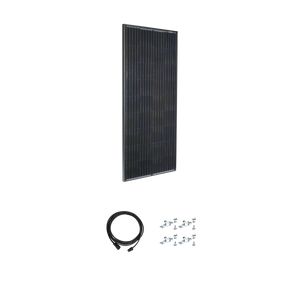
Solar energy is perhaps the most popular source of power for off-grid homes. Investing in solar kits or portable solar panels can be a game-changer for your energy independence. Here are some DIY project ideas to maximize your solar energy.
DIY Solar Panel Installation
If you're feeling handy, installing your own solar panels can be a rewarding project. Here's a simple guide to get you started:
- Choose the right type of solar panels for your needs, whether fixed or portable solar kits.
- Understand the installation guidelines for mounting and positioning your panels favorably to capture maximum sunlight.
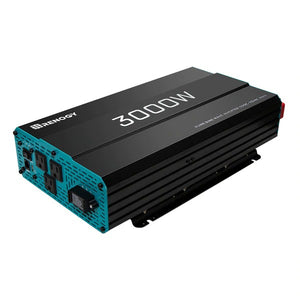
- Implement proper wiring with an inverter charger to convert your solar energy into usable power.
- Regularly maintain your solar panels to ensure they work efficiently.
These steps will help you set up a reliable solar power system without needing professional assistance, thus saving money.
Creating a Solar Water Heater
One of the most functional DIY projects is creating a solar water heater, an easy way to ensure you have hot water without extra electrical costs. Here’s a basic method:
- Use black-painted pipes or a big black tank mounted outside, preferably where it receives maximum sunlight.
- Focus on insulation to minimize heat loss.
- Connect your solar water heater with your existing hot water system for functional efficiency.
This project not only provides hot water but does so sustainably, which is perfect for those living off the grid.
Efficient Heating Solutions
Keeping your off-grid home warm in colder months doesn't have to be a challenge. Incorporating efficient heating solutions like gas heaters and mini splits can enhance comfort without breaking the bank.
Building a DIY Gas Heater
Gas heaters are an excellent energy-efficient choice. If you want to build one, follow these guidelines:
- Choose which type of gas to use, propane or natural gas, depending on availability.
- Ensure proper ventilation to comply with safety regulations.
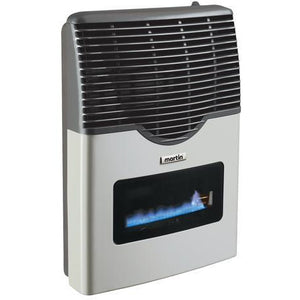
- Gather materials to craft a simple vent-free gas heating system that can be operated without electrical support.
This DIY gas heater can save you costs on heating, especially in remote areas where electricity may be sporadic.
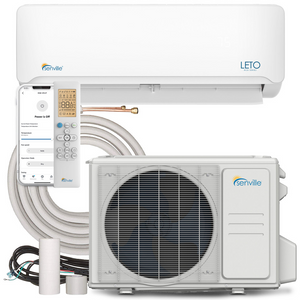
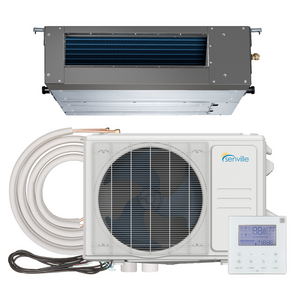
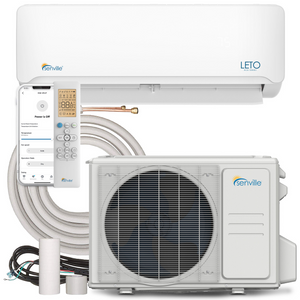
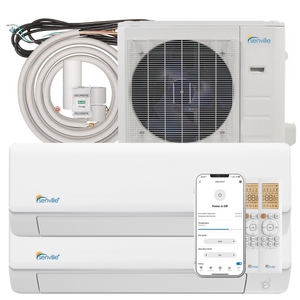
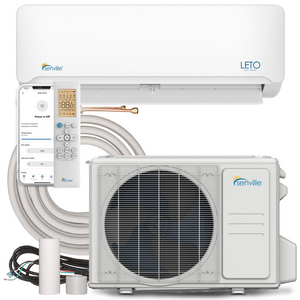
Mini Splits for Off-Grid Heating and Cooling
Mini-split systems provide both heating and cooling, making them a perfect solution for off-grid living. While hiring a professional can be costly, here’s how to approach this installation as a DIY project:
- Choose the right size based on your home’s square footage.
- Carefully install the indoor and outdoor units, ensuring appropriate connections to your solar power system.
- Regularly maintain and clean the filters to keep efficiency high.
Mini splits require an upfront investment but can save significantly long-term on energy bills.
Water Management: Composting Toilets and More
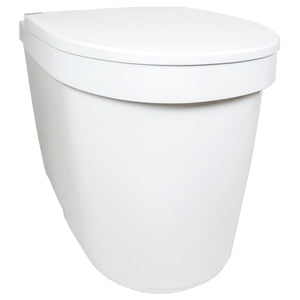
Managing water resources efficiently is crucial in an off-grid home. A composting toilet can integrate seamlessly into your sustainable living space, reducing your water consumption significantly. Here’s how to create one:
DIY Composting Toilet
Building your composting toilet can be done with a few materials and minimal tools. Follow these steps:
- Construct a sturdy wooden frame with a composting chamber below.
- Install a comfortable seat on top, ensuring easy access to the composting chamber.
- Utilize sawdust or wood chips as a natural cover to minimize odor and assist decomposition.
This sustainable solution provides a practical approach to waste management without relying on traditional plumbing.
Powering Your Off-Grid Home
Powering an off-grid home presents unique challenges, but with the right DIY projects, it can be manageable and even enjoyable. Let’s explore some options for power generation and storage.
Portable Generators for Backup Power
Investing in a portable generator is more than a luxury; it's a necessity for reliable backup power. Here's a simple DIY project to help you set one up:
- Choose a generator that meets your power needs and is compatible with solar panels.
- Make an enclosure to shield the generator from the elements while ensuring it's ventilated.
- Include a quick connection to your solar panel system for seamless power transfer.
This setup allows you to generate and store energy efficiently, mitigating unforeseen outages.
Utilizing Wind Turbines
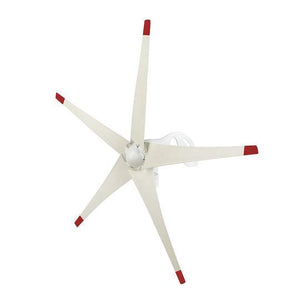
Complementing your solar setup with wind turbines can further enhance energy independence. Although professional installation is common, you can also explore DIY options:
- Gather materials such as PVC pipes, a DC motor, and a small battery.
- Create blades from the PVC to harness wind effectively.
- Integrate the system with your batteries and inverter chargers for a cohesive energy solution.
This approach can diversify your energy sources, ensuring you’re prepared for all weather conditions.
Storage: The Heart of Energy Management
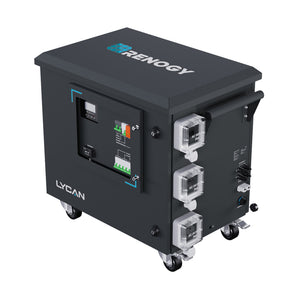
To make the most of your energy generation, having a proper storage solution is essential. Batteries capable of holding charge from your solar kits or wind turbines ensure you always have power on hand:
Building a DIY Battery Bank
A battery bank can store excess energy for use on cloudy days or during increased energy consumption. Here’s how you can build your own:
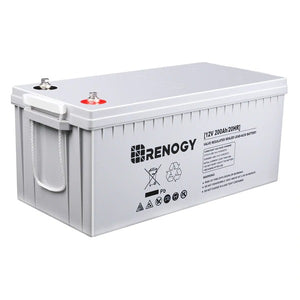
- Choose the right type of batteries, typically deep cycle batteries for reliable performance.
- Arrange them in a safe, insulated enclosure to protect against environmental fluctuations.
- Connect them to your solar systems, ensuring all connections are secure and appropriately fused.
This will create a dependable battery bank that supports your home’s energy needs efficiently.
Get Inspired: Creative DIY Ideas
Your off-grid home is a blank canvas, and the possibilities are endless. Here are some additional DIY projects to consider for enhancing your living space:
Building an Outdoor Shower
Creating an outdoor shower not only enhances your lifestyle but is also a great way to make the most of your water resources. Here’s a simple approach:
- Use a portable solar water heater to preheat your shower water.
- Construct a privacy enclosure using wood or fabric.
- Install a simple showerhead connected to your water system.
This will provide a refreshing bathing experience entirely off the grid!
Designing a Greenhouse
A greenhouse can help you grow your food year-round, reducing your reliance on supermarkets. You can build it using recycled materials and incorporate a rainwater collection system for irrigation:
- Gather old windows or plastic sheeting to construct the frame.
- Utilize salvaged wood to create the base and shelving for planting.
- Integrate a rain barrel for sustainable watering.
This project will ensure you have fresh produce while practicing sustainable living practices.
Embrace the Off-Grid Lifestyle
Embarking on a DIY journey to enhance your off-grid home is not only rewarding but also a creative way to embrace sustainable living. From solar kits to wind turbines, every project equips you to live more self-sufficiently. Each DIY initiative not only contributes to reducing your carbon footprint but also enriches your lifestyle, making this journey as fulfilling as it is practical. So roll up your sleeves, gather your tools, and start transforming your off-grid home into a haven of sustainability!