










 (800) 975-2413










Overview
Choosing the right location for your off-grid home is crucial for a sustainable lifestyle. Key factors to consider include climate, access to water and sunlight, soil quality, local regulations, and budgeting for setup costs. Researching these elements and connecting with off-grid communities will help ensure a successful transition to off-grid living.
Living off the grid is a dream for many seeking a sustainable and self-reliant lifestyle. One of the most crucial steps in this journey is choosing the right location for your off-grid home. The site you select impacts everything from your energy solutions like solar kits and wind turbines to how you manage resources such as water and waste. In this blog post, we'll explore vital factors to consider when selecting the location for your off-grid oasis.
Understanding Your Off-Grid Vision
Before diving into specific locations, it's essential to clarify your vision. Do you want a secluded forest hideaway or a sunny hillside? Understanding your needs will inform your property choices.
Climate Considerations
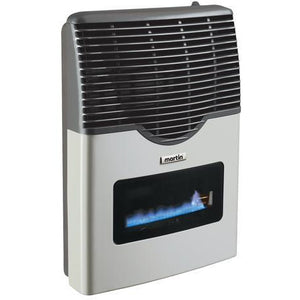
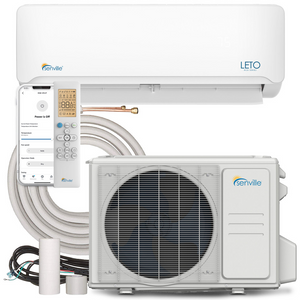
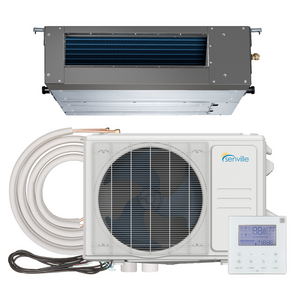
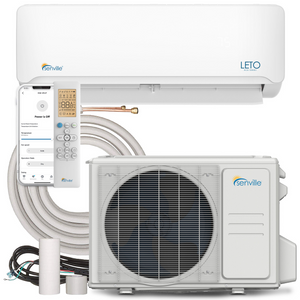
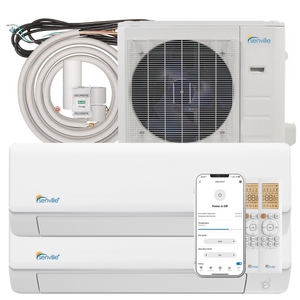
The climate in your selected area greatly influences your energy needs. For instance, if you live in a colder environment, you may need more effective heating solutions like gas heaters and mini splits. Conversely, warmer climates benefit from solar energy solutions like portable solar panels and water heaters. Assess the average temperatures and seasonal weather patterns before settling on a location.
Access to Resources
Proximity to essential resources is another critical factor:
- Water Sources: Ensure that your location has access to a reliable water source, be it a well, river, or lake. Consider how you'll collect, filter, and store your water.
- Solar Exposure: For those relying on solar energy, south-facing slopes that receive ample sunlight are ideal. Evaluate shading from trees and nearby structures.
- Soil Quality: If you plan to grow your own food, rich, fertile soil is crucial. Test the soil for nutrients and drainage capabilities.
Utility Considerations for Off-Grid Living
When it comes to living off the grid, your utility needs will dramatically affect the location you choose. From energy sources to waste management, being prepared is key.
Renewable Energy Options
Your energy requirements will largely dictate your living space. Off-grid homes typically rely on renewable energy sources. Popular options include:
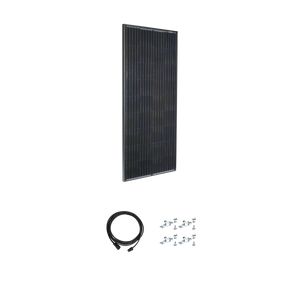
- Solar Kits: A fundamental aspect, solar kits offer homeowners energy independence. Placement on solar-friendly terrain is essential for optimal sunlight.
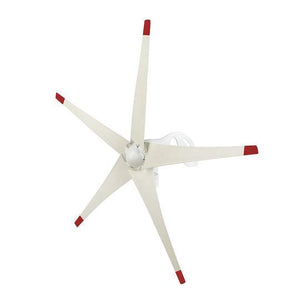
- Wind Turbines: In areas with consistent winds, wind turbines can provide a reliable energy source.
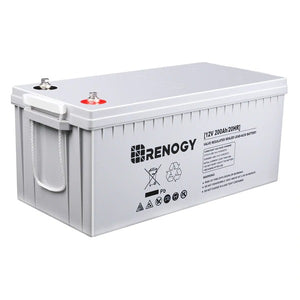
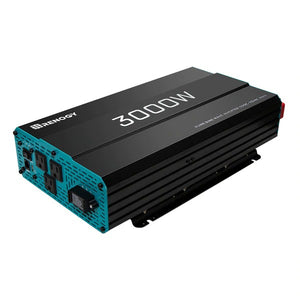
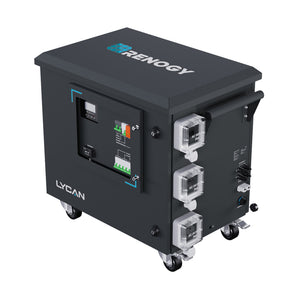
- Batteries and Inverter Chargers: Coupling your renewable sources with efficient storage solutions like batteries ensures energy availability during low production times.
- Portable Solar Generators: These flexible options are great for situations where fixed solar kits may not be feasible.
Waste Management Solutions
Being off-grid also means finding effective waste management solutions. Installing composting toilets is a sustainable way to handle waste while minimizing environmental impact. Your location should allow easy access to maintain these systems without creating pollution or health issues.
Legal and Zoning Regulations
Before you make a decision, understanding local laws and zoning regulations is vital. Different regions have various restrictions regarding:
- Type of dwelling (e.g., size and structure)
- Permits required for alternative energy sources
- Local building codes
Researching this information can save you from future legal issues and make your off-grid adventure smoother.
Seasonal Access and Land Use
Consider vehicle access and land use for seasonal changes. Some areas may not be accessible year-round due to snow or flooding, affecting your ability to transport supplies.
Exploring Off-Grid Communities
Connecting with off-grid communities can provide valuable insights and assistance in your journey. Each aspect you consider may have fellow enthusiasts willing to share experiences and solutions. Having support can help streamline your process and broaden your options.
Future Growth and Expansion
Think long-term. The location should allow for expansion as your needs change. Maybe you want to install additional solar generators or garden beds; ensure your property can accommodate these changes.
Cost Implications and Budgeting for Your Off-Grid Setup
Understanding the financial aspect is crucial in ensuring that your dream becomes a reality. From purchasing land to setting up your off-grid systems, costs can accumulate quickly.
Property Costs
Consider the price of land, including any additional fees for utilities such as water rights or access roads. Investigating alternative land options can reveal Hidden Gems. For instance, rural areas might have lower property prices than urban regions, but ensure those areas meet your criteria.
Setup Costs
Once the property is acquired, the cost of establishing off-grid utilities needs evaluation. This includes:
- Solar kits and portable solar panels
- Wind turbines and their installation
- Batteries and inverter chargers for storage
- Water heaters for heating water
- Portable generators for backup power
Calculating these expenses will help you create a realistic budget, avoiding financial surprises down the road.
Location Checklist for Your Off-Grid Home
To summarize, here's a handy checklist to ensure you have covered all bases when choosing your off-grid home location:
- Assess climate and seasonal variations
- Evaluate sunlight availability and shading
- Ensure access to reliable water sources
- Check soil quality for gardening
- Review local zoning laws and building regulations
- Consider seasonal access and road conditions
- Establish a budget for property acquisition and setup
- Connect with local off-grid communities for support
Embarking on Your Off-Grid Adventure
Choosing the right location for your off-grid home is a vital step in creating your dream space. From considering climate factors and resource access to understanding local regulations and budgeting, taking a thoughtful approach will set a solid foundation for your sustainable lifestyle. By investing the time in researching and planning, you'll ensure your off-grid home provides comfort, utility, and peace of mind for years to come. Start your journey today; the off-grid life is waiting for you!