










 (800) 975-2413










Overview
Off grid living is increasingly popular for those seeking sustainability and self-sufficiency, offering benefits like reduced reliance on conventional power, lower utility bills, and improved waste management. Key components include solar energy solutions, composting toilets, and innovative water systems. While there are initial setup costs and a learning curve, the long-term financial and environmental advantages make it a worthwhile lifestyle choice. Embracing off grid living fosters community connections and supports local economies, contributing to a sustainable future.
Off grid living is gaining traction as more individuals and families seek sustainable ways to reduce their environmental impact and achieve self-sufficiency. By living off the grid, you are not only minimizing your reliance on conventional power sources, but also making a positive impact on the planet. In this blog, we explore the numerous benefits of off grid living for sustainability, highlighting various solutions like solar kits, composting toilets, mini splits, and more.
The Essence of Off Grid Living
At its core, off grid living means disconnecting from traditional energy and utility systems. It allows individuals to harness natural resources, engage with the surrounding environment, and implement sustainable practices. Whether you’re moving into a tiny house or simply interested in reducing your carbon footprint, off grid living presents an exciting opportunity.
Environmental Advantages of Going Off Grid
Choosing off grid living comes with numerous environmental benefits, many of which directly stem from utilizing renewable energy sources and sustainable practices.
Utilizing Renewable Energy Sources
One of the greatest advantages of off grid living is the ability to rely on renewable energy sources. Here are some key components that make it possible:
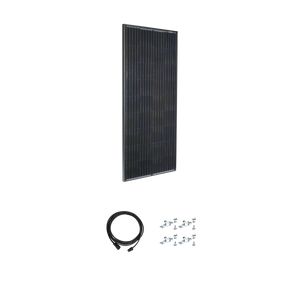
- Solar Kits: Harnessing sunlight is one of the most popular ways to generate electricity. Solar kits come in various sizes to fit different needs and can be an excellent long-term investment.
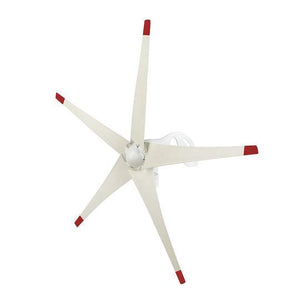
- Wind Turbines: If you live in a suitable area, wind turbines can complement your renewable energy setup, providing an additional source of power.
- Portable Solar Panels: For those on the go, portable solar panels are easy to set up and enable you to maintain your energy needs, even while traveling.
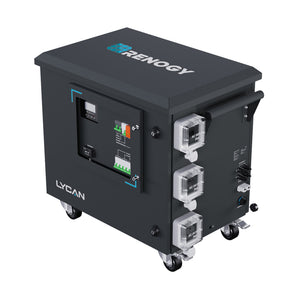
- Solar Generators: These compact systems store solar power and can be a great backup energy source, offering a clean alternative during outages.
Improved Waste Management Practices
Another crucial aspect of sustainability is managing waste effectively. By adopting off grid living principles, you can significantly reduce your waste footprint:
- Composting Toilets: These toilets convert human waste into compost, reducing the need for water and providing valuable nutrients for plants.
- Recycling and Upcycling: Living off grid encourages you to think creatively about trash and provides opportunities to recycle or repurpose items.
Energy Efficiency at Its Best
Energy efficiency is a cornerstone of sustainable living, and off grid setups encourage innovative solutions to minimize energy consumption.
Powerful Heating Solutions
For heating needs, you can take advantage of efficient technologies:
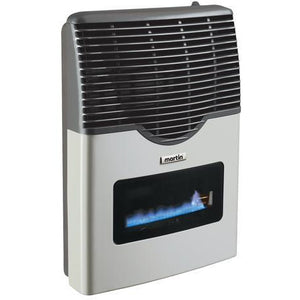
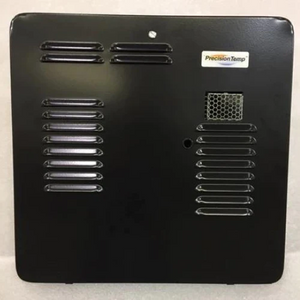
- Gas Heaters: These heaters provide reliable warmth for colder months without relying on centralized power systems.
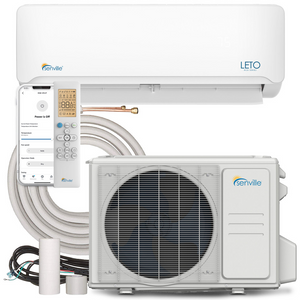
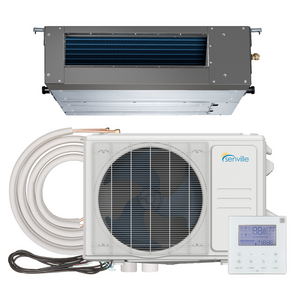
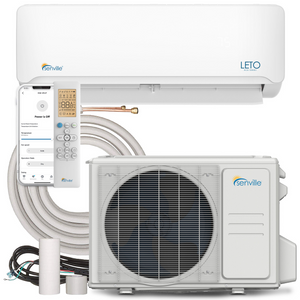
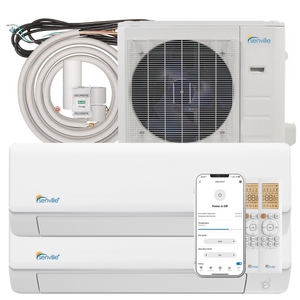
- Mini Splits: Mini split systems offer powerful heating and cooling solutions while consuming minimal energy, making them a fantastic option for energy-conscious off gridders.
Energy Storage Solutions
When living off the grid, energy storage becomes vital. Investing in high-quality batteries, inverter chargers, and backup systems can make your setup more resilient:
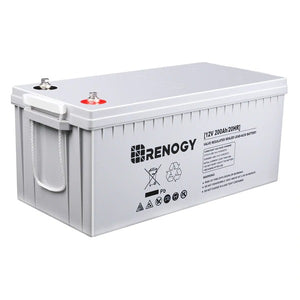
- Batteries: Storing energy for use during cloudy days or nighttime is crucial. Lithium batteries are popular for their long lifespan and high efficiency.
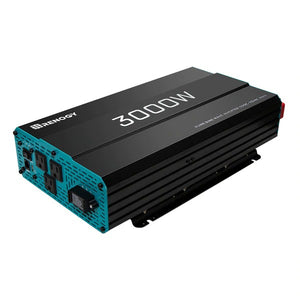
- Inverter Chargers: These devices convert stored DC power into AC power, making it possible to run household appliances.
- Portable Generators: As a backup, portable generators can provide power during times of low energy production, ensuring your needs are always met.
Water Sustainability
Access to clean water is a key component of any sustainable living strategy. Off grid residences typically employ innovative water solutions:
- Rainwater Harvesting: Collecting rainwater not only provides a renewable water source but also helps reduce stormwater runoff.
- Water Heaters: Solar and tankless water heaters can drastically reduce energy consumption while providing hot water on demand.
Community and Connection
One significant yet often overlooked benefit of off grid living is the sense of community it fosters. Many off grid enthusiasts come together to share resources, knowledge, and experiences, building supportive networks:
Experience Shared Learning
Participating in workshops and off grid communities provides invaluable knowledge and hands-on experience. You can learn everything from installation tips on solar kits to operating composting toilets. This communal approach strengthens relationships and enhances your understanding of sustainable practices.
Building Your Own Retreat
Many who pursue off grid living endeavor to create a retreat. This space becomes a haven for not only yourself but for like-minded individuals seeking connection and enlightenment in a harmonious setting. You can organize events, workshops, or even eco-friendly retreats, making your journey worthwhile.
Encouraging Local Economy
By engaging with local artisans, builders, and suppliers, off grid living supports the local economy and promotes sustainability. As you interact more with nearby communities, you’re likely to discover new ways to incorporate sustainable practices into your lifestyle.
The Financial Benefits of Off Grid Living
Financial sustainability often accompanies environmental sustainability. By embracing off grid living, you can enjoy several cost-saving advantages:
Lower Utility Bills
One of the most immediate financial benefits of off grid living is drastically reduced utility bills. By generating your own power with solar kits and implementing energy-efficient solutions, you can eliminate or significantly lower monthly expenses.
Long-Term Savings
Although the initial setup costs for off grid living can be high, the long-term benefits far outweigh these expenses. With systems like batteries, inverter chargers, and composting toilets, you’ll be investing in solutions that pay off over time.
Challenges and Considerations
While there are numerous benefits to off grid living, it’s essential to acknowledge the challenges that may arise:
Initial Setup Costs
Setting up an off grid home requires a significant investment, particularly for solar kits, batteries, and other essential components. However, many view this as a worthwhile travel towards sustainable living.
Learning Curve
Transitioning to off grid living requires adapting to new systems and practices. From maintaining solar panels to optimizing water usage, the learning process can be both challenging and rewarding.
Your Path to Sustainable Living
Embarking on the journey of off grid living offers both immediate rewards and long-term benefits for you, your community, and the Earth. By utilizing solar kits, composting toilets, gas heaters, and more, you can design a lifestyle that emphasizes sustainability while enhancing your quality of life. Whether you choose to live in a tiny house or simply incorporate off grid principles into your daily routine, every choice counts!
Your adventure into off grid living is not just a personal transformation; it’s a step towards a more sustainable future for our planet. Every choice you make reflects a commitment to a lifestyle that values self-sufficiency and environmental stewardship. Embrace the opportunity to make a difference — the journey toward sustainability begins with you!