










 (800) 975-2413










Overview
Living off-grid involves creating sustainable systems for energy, water, and waste management. Key practices include using solar power, composting toilets, rainwater harvesting, and energy-efficient heating solutions. Embracing these eco-friendly technologies not only reduces your carbon footprint but also fosters a harmonious relationship with nature. Every sustainable choice contributes to a healthier planet.
Living off-grid is not just about disconnecting from utility companies; it’s also about redefining our relationship with the planet. As the world leans towards more sustainable solutions, integrating eco-friendly practices into our off-grid lifestyle is essential. In this article, we'll explore various sustainable methods and technologies that you can incorporate into your tiny house to contribute positively to the environment. Discover how solar kits, composting toilets, and other sustainable practices can help you live harmoniously with nature while reducing your carbon footprint.
Understanding Off-Grid Living
Off-grid living means you are not reliant on public utilities such as electricity, water, or sewage systems. Instead, individuals create their own systems to manage resources sustainably. This lifestyle can be an incredibly rewarding way to live and thrive in harmony with the environment. But how do we ensure our off-grid practices are eco-friendly? Here’s a closer look.
Harnessing Solar Power
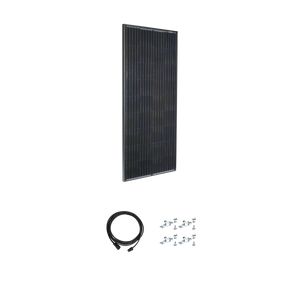
One of the most significant advantages of off-grid living is the ability to generate your own electricity. Solar energy has become a popular choice for many due to its renewable nature and decreasing costs. Investing in solar kits can significantly reduce your dependency on conventional energy sources. These kits typically include:
- Solar Panels: Convert sunlight into electricity.
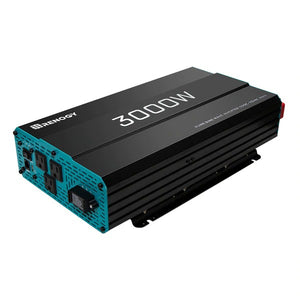
- Inverter Chargers: Convert DC electricity from your batteries to AC electricity for your appliances.
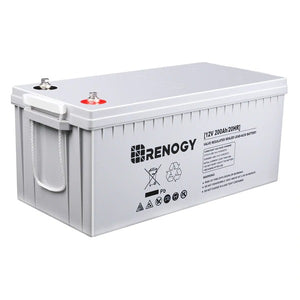
- Batteries: Store excess electricity for use during cloudy days or at night.
Portable Solar Panels
Portable solar panels are another exciting option. They provide flexibility and ease of use, making them perfect for tiny homes or camping. These panels can be set up in various locations, ensuring you maximize sun exposure. Whether you’re using them to charge your batteries or run small appliances, they are a practical addition to your off-grid arsenal.
Efficient Water Management
Water is another essential element to manage sustainably. One eco-friendly solution is to set up a rainwater harvesting system. Collecting rainwater can provide a fresh water supply for drinking, cooking, and gardening. Additionally, integrating water-efficient systems such as low-flow faucets and shower heads can significantly reduce water usage.
Composting Toilets
Another step towards sustainable living is utilizing composting toilets. This eco-friendly alternative to conventional toilets reduces water consumption and converts waste into valuable compost. It’s a perfect solution for off-grid lifestyles, particularly in tiny homes. Not to mention, it minimizes sewer and septic system issues and complements your sustainable practices markedly.
Heating Solutions That Save Energy
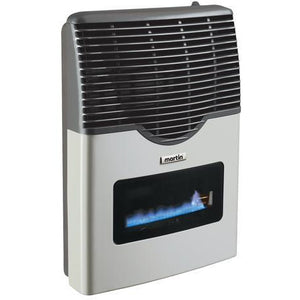
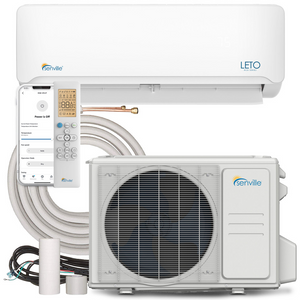
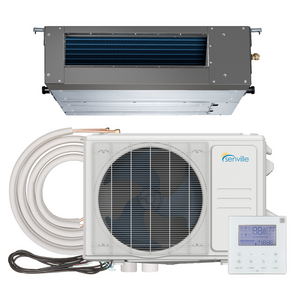
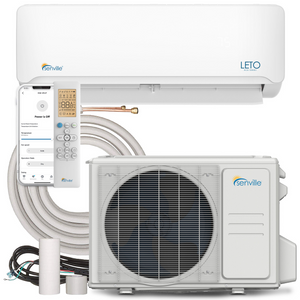
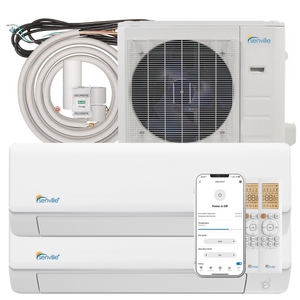
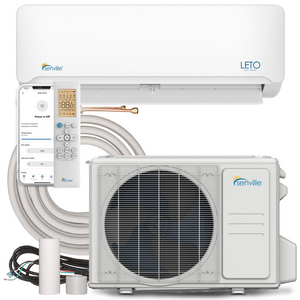
Heating your tiny home can be a challenge, especially in colder climates. However, there are numerous eco-friendly heating options available that require minimal energy. Consider using gas heaters or mini splits, which are both energy-efficient compared to traditional electric heating methods. Gas heaters are ideal for spaces where you want quick heat, while mini splits can provide both heating and cooling, making them versatile all-year-round solutions.
Wind Turbines
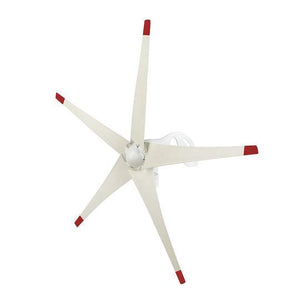
If you live in windy areas, integrating a small wind turbine into your energy system can enhance your efficiency. Wind turbines can work alongside your solar kits to provide a consistent energy supply, even during less sunny days. Combining solar and wind can significantly benefit off-grid living, providing a balance in energy generation.
Storing and Managing Energy
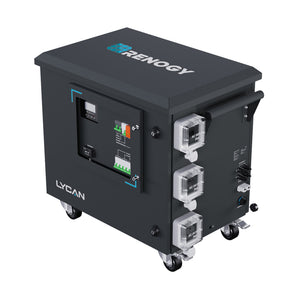
For an off-grid lifestyle, having reliable energy storage is crucial. This is where batteries come into play. Investing in high-capacity batteries is essential to store the energy generated from solar kits and wind turbines. The stored energy will be your lifeline during periods of low generation.
Inverter Chargers and Their Importance
Inverter chargers are essential devices that convert the stored DC power from your batteries to AC power, which is used by most household appliances. Ensuring that you have a high-quality inverter charger can make a significant difference in the efficiency of your energy consumption. By managing your energy properly, you can minimize waste and ensure you’re living sustainably off the grid.
Alternative Power Sources for Off-Grid Living
While solar panels and wind turbines are at the forefront of renewable energy, there are other energy sources to consider as well. Portable generators can serve as a backup power system during emergencies. These generators often run on gasoline but can also be powered by biofuels or propane, providing additional renewable options.
Water Heating Solutions
Heating water is another aspect of off-grid living that can consume significant energy. Fortunately, options like solar water heaters are available. A solar water heater can provide hot water for your daily needs with minimal impact on the environment. These systems harness the sun’s energy to heat water efficiently, making them a sustainable choice for tiny homes.
Reducing Waste and Recycling
Off-grid living inherently provides an opportunity to reduce waste. Implementing recycling practices and composting organic waste can significantly decrease the waste heading to landfills. Set up a recycling station in your home and establish good habits to recycle as much as possible.
Practices for Efficient Recycling
- Separate your recyclables: Create two or three bins for plastics, paper, and glass.
- Educate yourself: Know your local recycling rules and what can and cannot be recycled.
- Repurpose: Before throwing something away, think if it can be reused in another capacity.
Join the Movement
Choosing to live off-grid is a significant step towards a more sustainable lifestyle. Yet, your individual actions can influence the larger community and promote a culture of sustainability. Sharing your practices and technologies like solar generators or eco-friendly heating solutions with others can inspire them to follow in your footsteps.
Embrace Your Eco-Friendly Journey
Ultimately, contributing to the environment is about making smart choices and implementing practices that minimize our ecological footprint. By harnessing renewable energy sources like solar kits and wind turbines, using efficient heating solutions, managing water sustainably, and reducing waste, you can significantly help the planet.
As you embrace your off-grid lifestyle, remember that every choice matters. The journey might be challenging at times, but each step towards sustainability is a step worth taking. So, gear up, connect with like-minded individuals, and contribute positively to the planet while enjoying the freedom and tranquility of life off the grid!