










 (800) 975-2413










Overview
Living off the grid is increasingly popular for those seeking self-sufficiency and sustainability. This article shares insights from experienced off-gridders, covering key aspects like using renewable energy sources, managing water and waste, and efficient heating solutions. It emphasizes the importance of community support and financial planning for a successful transition. With the right knowledge and resources, newcomers can thrive in this lifestyle and inspire others.
Living off the grid has gained popularity among those seeking self-sufficiency, sustainability, and a life less dependent on conventional systems. Experienced off-gridders have not only led the way but have also accumulated valuable lessons that can help newcomers thrive in this lifestyle. In this article, we’ll explore success stories, practical insights, and essential tips gathered from individuals who have successfully transitioned to living entirely off the grid, harnessing solar kits, composting toilets, and more.
The Allure of Off-Grid Living
Off-grid living refers to a lifestyle that emphasizes self-sufficiency and independence devoid of traditional utility resources. This lifestyle appeals to many due to its environmental benefits and reduced living costs. It allows individuals and families to escape the confines of urban life, reconnect with nature, and embrace sustainability. Many off-gridders have shared transformative journeys that have led them to gain insights beneficial for beginners:
1. Embrace Sustainable Power Options
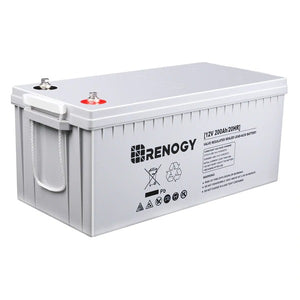
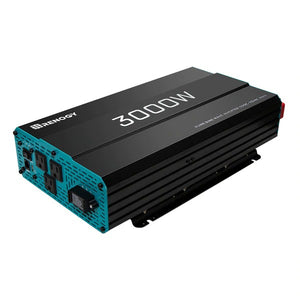
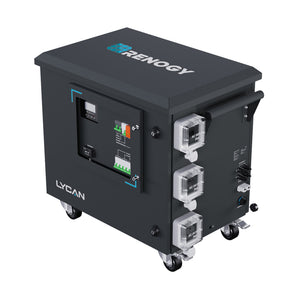
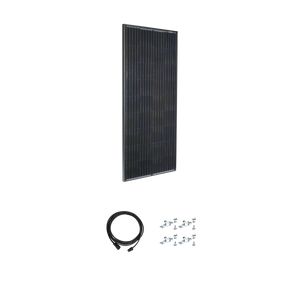
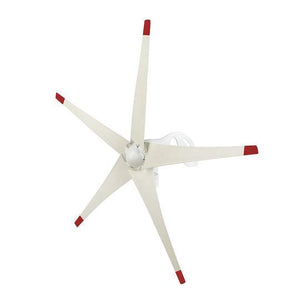
A key principle of off-grid living is finding independent energy sources. The journey to energy independence often includes solar kits, wind turbines, and batteries that can power homes without relying on conventional electricity. One inspiring off-gridder recounts how they started with a few portable solar panels and gradually expanded their solar system. They found that proper planning and choosing the right inverter chargers helped in efficiently converting stored energy for home use.
- Solar Kits: Essential for generating power using sunlight.
- Wind Turbines: An excellent complement for solar energy, especially in windy areas.
- Batteries: Storing energy for use during cloudy days or at night.
Investing in quality solar generators not only reduces reliance on grid power but also enhances the resilience of an off-grid home. Many experienced off-gridders recommend focusing on efficiency and gradually scaling up your energy production capacity.
2. Practical Water Solutions
Water is an essential resource. Off-gridders emphasize the importance of developing self-sufficient water systems. Rainwater harvesting, wells, and water purification systems provide reliable sources. A successful off-grid couple shares how they installed a rainwater catchment system, complemented by a water heater powered by solar energy. This strategy enabled them to not only meet their water needs but also enjoy hot showers, a luxury in the wilderness.
- Rainwater Harvesting: A sustainable way to collect and use rainwater.
- Water Purification: Ensures safe drinking water, crucial for health.
Moreover, having a backup option, like a portable generator, can be useful during emergencies when traditional pumps or systems fail.
3. Waste Management and Composting Toilets
Managing waste is a fundamental aspect of off-grid living. Experienced off-gridders highlight the effectiveness of composting toilets in minimizing environmental impact while managing human waste. They advocate for choosing systems that are easy to maintain and efficient, allowing for nutrient recycling back into the ecosystem.
One family shares their choice of a modern composting system, stating that it has transformed their perspective on waste. Their stories reveal how composting not only reduces their ecological footprint but also contributes to their garden’s health. Off-gridders recommend thorough research on local regulations concerning waste management and ensuring compliance.
4. Heating Your Space Efficiently
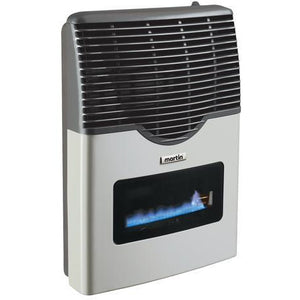
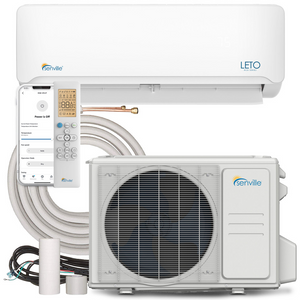
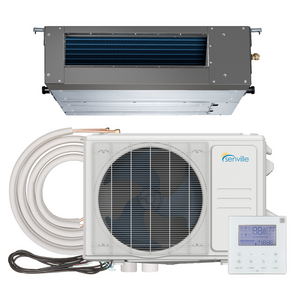
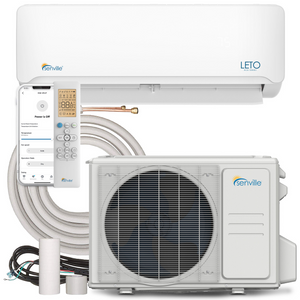
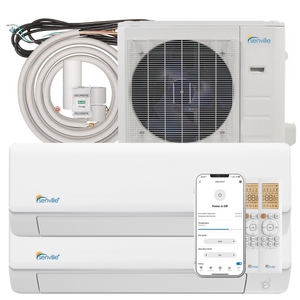
Heating one’s home in an off-grid setting is critical, especially during colder months. Many off-grid homeowners have had great success using gas heaters, which provide quick and effective warmth, while others have adopted more traditional wood stoves for a rustic touch. Innovative solutions include pairing heating systems with solar energy, making use of mini splits that operate on solar electricity.
- Gas Heaters: Ideal for quick and effective heating.
- Wood Stoves: Economical and create a cozy atmosphere.
- Mini Splits: Provides efficient temperature control powered by solar energy.
A couple who lived through years of freezing winters suggests that installing good insulation and selecting the right heating system can save energy and costs. They frequently share tips about integrating passive solar heating techniques in their homes, maximizing sun exposure during the winter months.
Building Community Connections
Though off-grid living often emphasizes solitude and independence, creating connections within the off-grid community can be invaluable. Sharing resources and knowledge with like-minded individuals leads to innovative solutions and support.
1. Local Workshops and Meet-Ups
Several seasoned off-gridders recommend participating in workshops or local meet-ups. These events serve as excellent opportunities to learn about advanced techniques for harnessing renewable energy, water systems, and even lifestyle hacks that can significantly ease the transition. Engaging with the community can also help in sourcing local materials and tools at lower costs.
2. Online Forums and Social Media
Utilizing online platforms allows you to connect with others no matter where they are located. Many seasoned off-gridders actively participate in forums where they discuss everything from their experiences with portable solar kits to troubleshooting issues with solar generators. Sharing firsthand experiences enriches knowledge and builds a sense of community.
- Facebook Groups: Lots of passionate people share tips and support.
- Online Forums: Great for detailed discussions on specific techniques.
Financial Aspects of Off-Grid Living
Financial planning is crucial when transitioning to an off-grid lifestyle. Understanding initial investments and long-term savings helps in making informed decisions. Investors in solar generators or portable solar panels may initially face upfront costs; however, these investments often pay for themselves over time through lowered utility bills.
1. Budgeting for Renewable Energy Systems
Many who live off the grid stress the importance of budgeting for solar kits, battery systems, and even backup solutions like portable generators. One family recounted their initial purchase of a small solar kit, which they later expanded as their needs grew. They now enjoy an energy-efficient setup that generates surplus electricity, allowing them to sell back to the grid or power small appliances.
2. Knowledge is Power: DIY vs. Professional Installations
Sexperts often urge new off-gridders to assess their skills critically. Some prefer DIY installations for systems like solar energy or plumbing, while others decide it’s worth the investment to hire professionals. Understanding the balance between professional help and self-research can save money and ensure everything is installed correctly.
Final Thoughts on Your Off-Grid Adventure
The pursuit of off-grid living is an adventurous journey filled with learning and growth. Experienced off-gridders have shared their insights on sustainability, community connections, energy management, and efficient waste systems, each helping newcomers navigate their unique challenges. By embracing renewable energy solutions, focusing on water management, and addressing heating needs effectively, your off-grid lifestyle can thrive. With the right knowledge and a community of support, the journey towards self-sufficiency and sustainable living not only changes your life but can also inspire others to follow suit.
Whether you’re just starting or are well on your way, remember that every step, whether big or small, counts towards achieving an off-grid lifestyle. Vibrant communities, rich experiences, and countless lessons await you as you embark on this thrilling path to sustainability.