










 (800) 975-2413









Overview
Off-grid living promotes self-sufficiency and a deep connection with nature, particularly through food production. This blog covers essential gardening tips for off-grid lifestyles, including soil health, water management, plant selection, creative gardening techniques, and pest control. It also emphasizes the use of renewable energy and seasonal strategies to maximize yield and preserve food, encouraging a sustainable gardening experience.
Living off the grid is not just a choice; it’s a lifestyle that nurtures self-sufficiency and connection with nature. One of the most rewarding aspects of this way of life is off-grid food production. With the right gardening techniques, you can grow your own food while minimizing your reliance on stores. In this blog post, we’ll dive into gardening tips and tricks tailored for off-grid living, helping you thrive in your tiny house essentials.
Understanding the Off-Grid Lifestyle
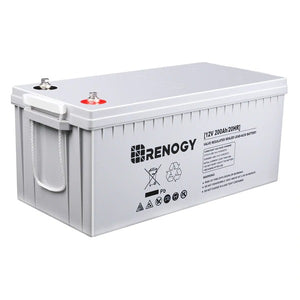
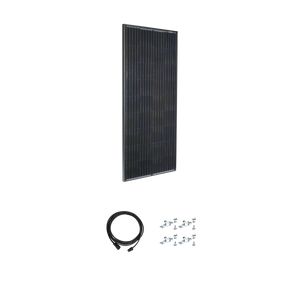
Before immersing ourselves in gardening tips, it’s crucial to understand what off-grid living entails. This lifestyle involves disconnecting from public utilities and relying on renewable resources like solar energy, wind power, and rainwater collection. Implementing solar kits, portable solar panels, and batteries creates a sustainable energy source for your garden. Nutrient-rich soil and effective irrigation methods will allow your plants to flourish, turning your outdoor space into an oasis of fresh produce.
The Importance of Soil Health
Healthy soil is the foundation of a successful garden. Here are a few tips to improve and maintain soil health:
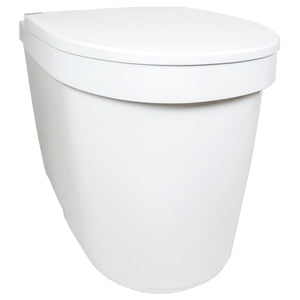
- Composting: Utilize composting toilets to create nutrient-rich compost from your household waste, including kitchen scraps and garden debris. This will enhance soil fertility.
- Mulching: Apply organic mulches, like grass clippings or straw, to retain moisture, regulate temperature, and suppress weeds.
- Crop Rotation: Practicing crop rotation mimics natural ecosystems and improves soil structure while minimizing pests and diseases.
Water Management Techniques
Efficient water management is essential in off-grid gardening. Since you are likely relying on rainwater collection, consider these techniques:
- Rainwater Harvesting: Install rain barrels to collect and store rainwater. This helps you make the most of natural rainfall.
- Drip Irrigation: Use drip irrigation systems, which deliver water directly to the plant roots. This is especially beneficial in dry seasons when conserving water is key.
- Soil Moisture Sensors: For a tech-savvy approach, consider battery-operated soil moisture sensors that alert you when your plants require watering.
Choosing the Right Plants
Selecting plants that thrive in your climate and conditions is vital for successful off-grid food production. Here are some suggestions:
- Heirloom Varieties: Opt for heirloom seeds, which are more adaptable to local environments, while maintaining genetic diversity.
- Perennials: Incorporate perennial plants that return year after year, reducing the need to replant each season.
- Native Plants: Embrace native plants that are better suited to your local climate and require minimal maintenance.
Creative Gardening Techniques
Maximizing your gardening space is crucial in a tiny house setup. Here are some creative methods:
- Vertical Gardening: Utilize vertical planting systems using trellises, wall-mounted pots, or vertical planters to save space.
- Container Gardening: Grow herbs and vegetables in containers to maximize space. They can be moved around to ensure they get adequate sunlight.
- Square Foot Gardening: This intensive gardening method encourages planting in a grid, maximizing your productivity in limited space.
Utilizing Renewable Energy for Your Garden
In your off-grid setup, harnessing renewable energy can assist in gardening operations. Some key tools to consider include:
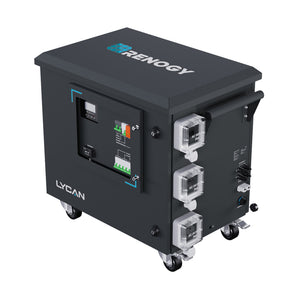
- Solar Generators: Use solar generators to power lights or small tools in your garden effectively.
- Portable Solar Kits: These kits are handy for mobile gardening or when you're in areas without fixed energy installations.
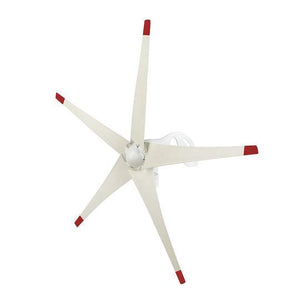
- Wind Turbines: If you reside in a breezy area, wind turbines can supplement your energy needs for watering systems and lighting.
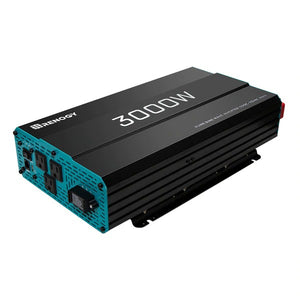
- Inverter Chargers: They convert renewable energy from solar panels into usable electricity, making it easier to power your gardening tools.
Seasonal Gardening Strategies
To maximize yield, it’s essential to adapt your gardening strategies throughout the seasons. Here are some seasonal tips:
- Spring: Start your seedlings indoors, utilizing the warmth of your home or greenhouse before the last frost.
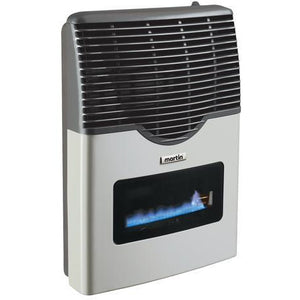
- Summer: Utilize gas heaters at night in colder areas to protect young plants from temperature drops.
- Fall: Harvest promptly and consider planting cover crops to enrich the soil over the winter.
- Winter: Protect perennials with mulch and consider indoor gardening for greens in colder months.
Collecting and Utilizing Rainwater
Water is crucial for any garden, but in off-grid situations, prudent management is key. You can collect rainwater through various systems:
- Gutters and Downspouts: Direct rainwater from your roof into barrels for storage, ensuring it's filtered for cleanliness.
- Systems for Irrigation: Use stored rainwater for drip irrigation systems to maintain consistent moisture levels.
- Water Heaters: Consider solar-powered water heaters to warm collected rainwater, making it suitable for delicate plants during colder months.
Keeping Your Garden Pest-Free
Gardening off the grid means you may adopt more natural pest control methods. Here are some tips to keep pests at bay:
- Companion Planting: Certain plants can repel pests; for instance, planting marigolds can deter nematodes.
- Beneficial Insects: Attract beneficial insects such as ladybugs and lacewings that feed on harmful pests.
- Homemade Remedies: Make natural insect repellents from household items, such as garlic or chili pepper sprays, which are safe for the environment.
Staying Self-Sufficient with Food Preservation
Once you have grown a bounty of produce, how can you make the most of it? Here are tips on food preservation:
- Canning: Invest in a home canning kit to preserve fruits and vegetables for long-term storage.
- Dehydrating: Use solar dryers or portable generators for dehydrating herbs, fruits, and vegetables for snacks and ingredients.
- Fermenting: Fermenting vegetables not only preserves them but also adds nutritional value. Make use of air-tight containers to avoid unwanted pests.
Your Off-Grid Garden Awaits!
Gardening off the grid is an inspiring journey that enhances your quality of life while providing you with delicious, homegrown produce. By following these tips and employing effective techniques, you’ll be better prepared for a sustainable gardening experience. With a mixture of dedication, creativity, and resourcefulness, your off-grid food production will thrive. Don’t forget to incorporate renewable energy solutions like solar kits, batteries, and even wind turbines to further ease your gardening tasks. Embrace the joy of growing your own food while living sustainably!