










 (800) 975-2413









Overview
Learn effective methods for water collection and filtration essential for tiny house and off-grid living, including rainwater harvesting, groundwater extraction, and various filtration techniques. Explore energy-efficient solutions like solar kits and batteries to enhance sustainability and self-sufficiency in your lifestyle.
Water is an essential part of life, particularly for those who have embraced the tiny house movement or off-grid living. As more people seek sustainable methods for their daily needs, understanding water collection and filtration techniques becomes imperative. In this blog post, we’ll explore various effective methods to collect and filter water while also examining additional relevant systems like solar kits, composting toilets, and more.
Why Water Collection is Crucial
Water collection is not only vital for survival but also a sustainable practice that reduces reliance on municipal water systems. Harnessing nature’s resources allows individuals living in tiny houses or off-grid locations to maintain a self-sufficient lifestyle. The various techniques available help ensure that collected water is safe for consumption and use in daily activities.
Rainwater Collection Techniques
One of the most popular methods for water collection is rainwater harvesting. This technique involves collecting rainwater from roofs or other surfaces for later use. Here are some effective ways to optimize this collection:
Gutter Systems
Installing a well-designed gutter system enables efficient rainwater capture. Make sure to:
- Use durable materials that won't corrode.
- Position gutters to direct water toward collection barrels.
- Regularly clear gutters to prevent blockages.
Collection Barrels
Once rainwater is directed to your gutters, the next step is to use collection barrels. These barrels serve as initial storage for the harvested rainwater. It’s essential to:
- Choose food-grade plastic or other safe materials.
- Cover the barrels to prevent contamination and mosquito breeding.
Groundwater Collection
In areas where rainwater is scarce, groundwater extraction can be an alternative. Drilling a well or establishing a borehole allows access to underground water sources. Keep in mind the following:
Water Table Awareness
Understanding your local water table is crucial to ensure successful drilling. Research your area's groundwater availability to determine the best drilling depth.
Filtration and Purification Techniques
Regardless of how you collected the water, it’s essential to ensure it is free from contaminants. Here are some effective filtration methods:
Filtration Systems
Various filtration systems can effectively remove impurities from water, making it safe for consumption:
Gravity Filters
Gravity filters use gravity to pull water down through a filter, trapping contaminants. They are simple to use, require no electricity, and are ideal for tiny house setups.
Carbon Filters
Activated carbon filters are highly effective for removing chemicals and odors from water. When combined with sediment filters, they can provide safe drinking water.
Reverse Osmosis Systems
Reverse osmosis is a powerful purification method that removes virtually all contaminants. This system is excellent for households that require the highest water purity levels.
Utilizing Energy Efficiently with Water Systems
While focusing on water collection and filtration, integrating energy-efficient solutions is vital for sustainable living. This is where solar kits, wind turbines, and batteries come into play.
Solar Kits
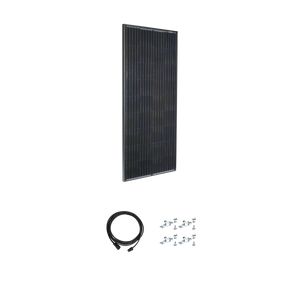
Solar kits can power water filtration systems and pumps vital for your water collection setup. This not only reduces energy bills but also contributes to a greener lifestyle.
Wind Turbines
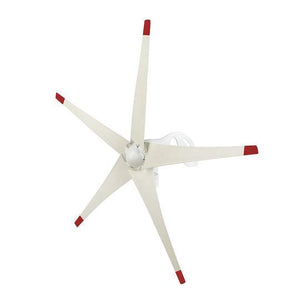
For locations with consistent wind, wind turbines can provide additional energy solutions. They work well when combined with solar kits, ensuring your water systems are functional regardless of weather conditions.
Water Heaters and the Importance of Temperature Control
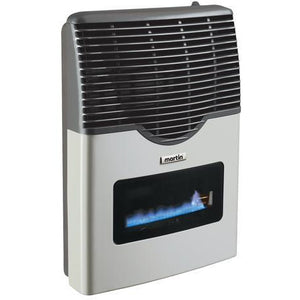
Sometimes, you may need hot water for various purposes such as cleaning or cooking. This is where water heaters come into action. With options ranging from gas heaters to electric systems, selecting the right type will depend on your specific needs. For off-grid setups, consider a solar water heater or a propane-powered unit.
Implementing Water Heating Systems
When thinking about sustainability, using solar water heaters not only conserves energy but also lowers your monthly expenses. With proper insulation, these systems can significantly improve your tiny house’s efficiency.
Fuel Options for Hot Water in Tiny Houses
While considering your hot water needs, various fuel options can come into play:
- Gas heaters are widely used for their efficiency and cost-effectiveness.
- Electric water heaters are often easier to install but can lead to higher energy bills.
- Solar water heaters are great for off-grid living, utilizing renewable resources.
Energy Storage with Batteries
In an off-grid environment, energy conservation and storage are essential. This is where batteries and inverter chargers come into play, allowing for effective energy management:
Using Batteries for Backup Power
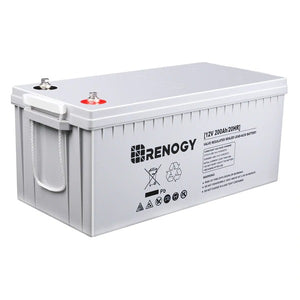
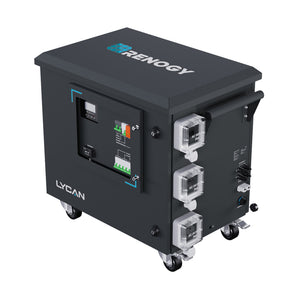
Batteries serve as a vital component in ensuring that your water systems run smoothly, especially during times when solar or wind energy is low. By storing excess energy generated from solar or wind sources, you can power your systems as needed, making independent water use a reality.
Inverter Chargers
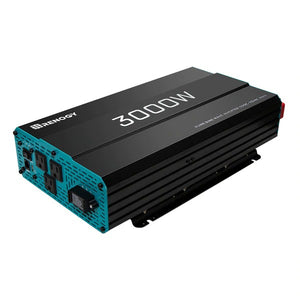
Inverter chargers convert stored energy from batteries into AC power, which is crucial when operating appliances like water filtration devices. Ensuring your batteries and inverter chargers are properly sized for your energy needs is key to a successful off-grid system.
Portable Solutions for Water Collection and Filtration
For those who travel frequently or engage in camping, having portable solar kits and water filtration systems is indispensable. These solutions not only allow you to gather and purify water on the go but also ensure you remain self-sufficient.
Portable Solar Panels
Portable solar panels are incredibly versatile and can be easily set up to charge batteries or power filtration systems wherever you are. When traveling, this convenience frees you from the constraints of relying on traditional power sources.
Portable Water Filtration Systems
Investing in portable water filtration systems ensures access to safe drinking water, regardless of your location. These systems can significantly enhance your outdoor experiences and are especially essential for campers and trekkers.
The Importance of Sustainability and Healthy Living
Integrating these water collection and filtration techniques into your lifestyle not only conserves resources but also allows you to enjoy a healthier, more sustainable life. Coupled with composting toilets and other eco-friendly systems, your tiny house can foster responsible living and inspire others to follow suit.
Bringing It All Together: Your Water System Blueprint
Establishing an effective water collection and filtration system can seem overwhelming. However, with proper planning and consideration of your energy needs, it can be seamlessly integrated into your tiny home.
Start with understanding your environment and the resources available. Invest in quality filtration systems and consider energy-efficient solutions like solar kits, batteries, and portable systems to enhance mobility and self-sufficiency. Each element contributes to a harmonious balance of nature and technology.
Incorporating these principles will not only enrich your tiny house experience but also promote a lifestyle rooted in sustainability and independence. Embrace the journey of mastering water collection and filtration techniques, and you’ll discover that the treasures of nature and self-reliance are just within reach.