










 (800) 975-2413










Overview
Transitioning to off-grid living requires careful financial planning and an understanding of various costs, including land acquisition, energy systems (like solar kits and wind turbines), water and waste management, and ongoing maintenance. Effective budgeting involves estimating initial and ongoing expenses, preparing for hidden costs, and utilizing resources and community support to ensure a successful transition to a sustainable lifestyle.
Off-grid living has become a popular alternative lifestyle choice, allowing individuals and families to connect with nature while enjoying the benefits of independence. However, transitioning to an off-grid lifestyle requires careful financial planning and an understanding of the various costs involved. In this comprehensive guide, we will break down the essential costs associated with off-grid living, offering you insights to help you budget effectively. From energy solutions like solar kits and wind turbines to essential utilities like water heaters and composting toilets, this blog will prepare you for your journey toward sustainable living.
Understanding the Costs of Off-Grid Living
The first step in budgeting for off-grid living is understanding the diverse range of costs you will encounter. From land and utilities to energy sources and maintenance, let’s dive into the key expenses that should be on your radar.
Land Acquisition
All off-grid living begins with a patch of land. The cost of land varies significantly based on location, size, and access to amenities. Budgeting for land acquisition is crucial, and you should keep the following in mind:
- Location: Prices differ based on whether the land is rural or urban, as well as the proximity to services and communities.
- Size: Consider how much land you need for your off-grid living setup; larger plots often come at a premium.
- Land Use Regulations: Verify zoning laws and land use restrictions that could affect your budget.
Energy Systems
Once you’ve secured your land, the next major expense is setting up an energy system capable of supporting your lifestyle. Below are some of the main components you should consider for off-grid energy:
Solar Kits and Portable Solar Panels
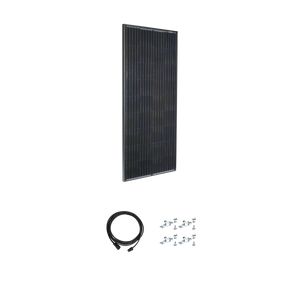
Solar energy is a popular choice for off-grid homeowners, and investing in solar kits or portable solar panels is essential. Solar kits typically come with solar panels, inverter chargers, and batteries, which are crucial for converting and storing energy. Good budgeting will involve understanding the total wattage required for your lifestyle, as well as installation costs.
Wind Turbines
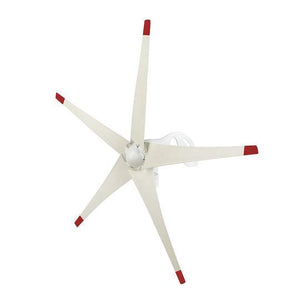
If you live in an area with consistent winds, incorporating wind turbines into your energy setup can provide a reliable source of power. While they can have higher upfront costs, they often reduce long-term energy expenses significantly.
Inverter Chargers and Batteries
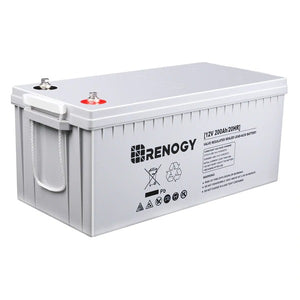
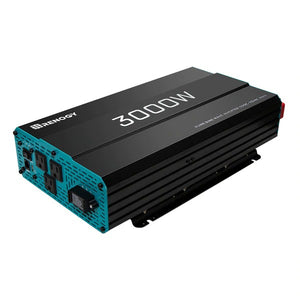
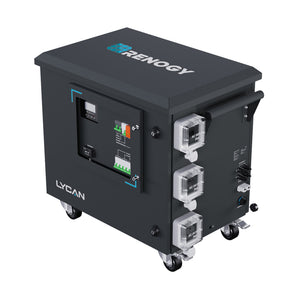
Inverter chargers convert the stored energy from your solar kits or wind turbines into usable power for home appliances. At the same time, batteries store energy, making them two critical components for your off-grid energy setup. Budgeting for high-quality batteries can ensure your energy system operates efficiently and reliably.
Portable Generators and Solar Generators
Consider including portable generators or solar generators in your budget as backup options during periods of low energy production. These devices can offer peace of mind, ensuring you have electricity when needed most, especially during emergencies.
Water and Waste Management
Water management is crucial for off-grid living and may require a significant portion of your budget. Here are some costs to consider:
Water Sources
Identify how you will source water—be it well systems, water catchment systems, or delivery. Each option comes with varying costs depending on installation, equipment, and ongoing maintenance.
Water Heaters
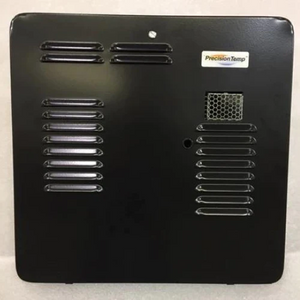
Choosing an efficient water heater is essential for everyday tasks like cooking, cleaning, or bathing. Depending on your usage and heating preferences, options vary widely in price. Evaluate both installation and maintenance costs before making your final decision.
Composting Toilets
Composting toilets are a sustainable option for off-grid living, offering effective waste management without the need for traditional plumbing. While initially more costly than standard toilets, they often save money over time on water and sewer bills.
Heating and Cooling Solutions
Climate control is another important factor to consider, especially if you live in areas with extreme temperatures. Here are some options:
Gas Heaters
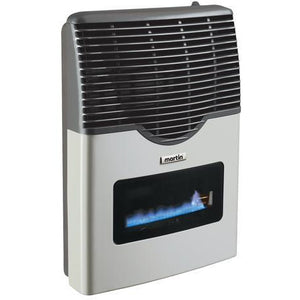
Gas heaters can offer effective heating solutions when you need reliable warmth during colder months. Make sure to account for the cost of fuel and the initial setup when budgeting for gas heaters.
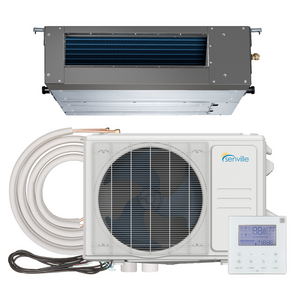
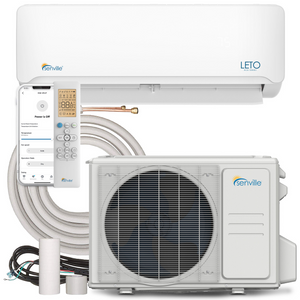
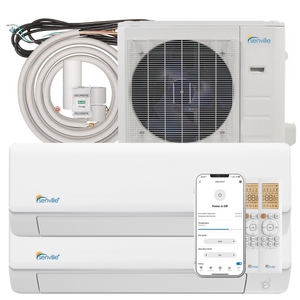
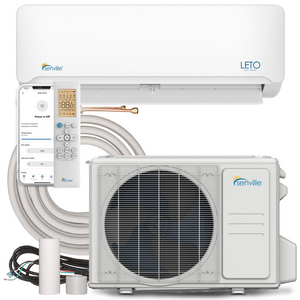
Mini Splits
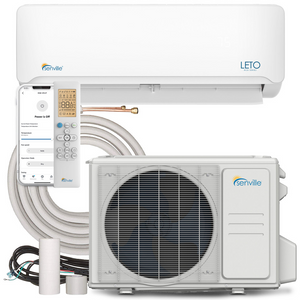
Mini splits are an energy-efficient way to heat and cool your space. While the upfront installation can be substantial, they often result in lower energy bills, making them a worthwhile investment for off-grid heating and cooling.
Maintenance and Repairs
As with any home, off-grid living comes with maintenance expenses. Ensure your budget includes a designated amount for routine repairs and system upkeep:
- Energy Systems: Regular maintenance of your solar kits, wind turbines, and battery systems is crucial for efficiency.
- Water Systems: Keep check on your water wells, pumps, and filtration systems to prevent breakdowns.
- Structure: Regularly inspect elements such as roofs, walls, and plumbing for potential issues.
Additional Considerations and Potential Hidden Costs
Beyond the obvious costs, there are many other factors you should consider when budgeting for off-grid living. Here are a few potential hidden costs that could affect your overall financial plan:
Preparation and Setup
Prepare for the time and costs associated with setting up your off-grid lifestyle. This can include everything from building shelters to clearing land for garden space. Factor in not just raw materials, but also tools, permits, and services you may need.
Transportation and Travel
If your property is located far from town, don’t forget to budget for transportation. This includes fuel costs as well as maintenance of any vehicles you may rely on for grocery trips or emergency services.
Food Sustainability
Many off-grid households choose to grow their own food, which can save money over time. However, budgeting for seeds, soil amendments, and gardening tools is crucial. Additionally, don’t forget to factor in costs related to livestock or beekeeping if you venture into these areas.
Building Your Budget
Creating an effective budget for off-grid living involves combining all the costs outlined above. Start by gathering quotes and researching various items to get an accurate picture of your potential expenses:
- Make a List: Compile a list of all the costs you anticipate, from land and energy systems to maintenance and transportation.
- Estimate Expenses: Include both one-time setup costs and ongoing expenses in your budget.
- Monitor and Adjust: Keep track of your spending, and be flexible enough to adjust your budget as you discover more about your needs.
Getting Started: Resources and Tools
Several resources and tools can help guide you through your off-grid budgeting journey:
Guides and Online Resources
Utilize online platforms that focus on off-grid living. Blogs, forums, and eBooks can offer invaluable insights based on firsthand experiences and expert advice.
Financial Planning Software
Budgeting apps and software can help you keep track of your expenses and ensure you stay within your allocated limits. Look for programs tailored specifically for home budgeting or personal finance.
Networking and Community Support
Don’t underestimate the power of connecting with other off-gridders. Joining online communities or local meet-ups can enhance your learning experience and provide support, tips, and practical advice you may not find in books.
Embarking on Your Off-Grid Adventure
Transitioning to off-grid living is a significant endeavor filled with challenges and rewards. By understanding and budgeting for key costs such as solar kits, composting toilets, gas heaters, and more, you can prepare yourself for a sustainable lifestyle. Remember to remain flexible, research diligently, and gather insights from those who have walked this path before you.
Your journey toward a self-sufficient and eco-friendly life begins with well-informed choices. Armed with the knowledge of budget considerations and potential costs, you're ready to take the first steps towards a fulfilling off-grid lifestyle in your tiny house. Let your adventure unfold as you build the life you've always wanted—one that harmonizes with nature and empowers your independence.