










 (800) 975-2413











Overview
Staying connected while living off-grid is essential for safety, community, and well-being. This guide covers key communication tools like solar-powered devices, two-way radios, satellite phones, and portable Wi-Fi hotspots. It emphasizes the importance of renewable energy, device maintenance, and having backup systems. Additionally, using messaging apps and creating a communication plan can enhance your off-grid experience. Embrace sustainable living without sacrificing connectivity.
In an increasingly digital world, maintaining communication while living off-grid is more crucial than ever. Whether you’re staying in a tiny house, a remote cabin, or any off-grid dwelling, staying connected with family, friends, and the outside world can enhance not only your experience but also your safety. In this comprehensive guide, we will explore various methods and technologies for staying in touch while embracing a sustainable lifestyle. From solar kits to portable solar panels, we’ll cover everything you need to know.
The Importance of Communication in Off-Grid Living
When you choose to live off the beaten path, the first thing that often comes to mind is the serenity of nature. However, being disconnected from the rest of the world can lead to feelings of isolation. Communication plays a key role in enhancing your lifestyle, offering multiple benefits:
- Safety: Emergencies can happen anywhere, and having a reliable communication method can be a lifesaver.
- Community Connections: Staying in touch with other off-grid enthusiasts strengthens community ties and sharing experiences.
- Information Access: Keeping up with news, local weather, and important changes ensures you’re well informed.
- Emotional Well-being: Regular contact with loved ones can improve mental health and reduce feelings of loneliness.
Essential Communication Tools for Off-Grid Living
To maintain effective communication while living off-grid, consider investing in some essential tools. Each option serves different needs and come with their unique benefits:
Solar-Powered Devices
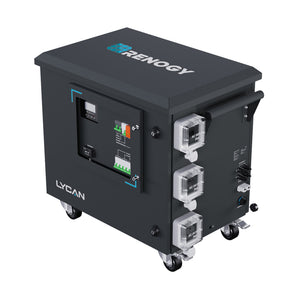
Living off-grid means finding renewable energy sources. Solar kits, including solar generators and portable solar panels, are great resources. They allow you to power your communication devices sustainably, ensuring they are always charged and ready to use.
Two-Way Radios
Two-way radios are an excellent way to communicate over short distances without relying on cellular networks. They are especially useful for coordinating with others during outdoor activities like hiking or camping.
Satellite Phones
For remote locations where cell service is nonexistent, satellite phones are indispensable. Satellite phones require little infrastructure and provide global coverage, making it easier to stay connected regardless of your location.
CB Radios
Citizen Band (CB) radios are another great option for off-grid living, especially if you’re part of a community where everyone uses them. They allow for community conversations and emergency communication without data usage.
Wi-Fi Hotspots
If you are located in areas with cellular coverage, consider portable Wi-Fi hotspots. With a good power source from batteries or portable solar kits, these devices enable access to the internet wherever you are.
Utilizing Technology Wisely
While technology can connect us, it’s essential to use it wisely, especially in an off-grid setting. Here are some tips for maximizing communication technology:
Charge Your Devices Effectively
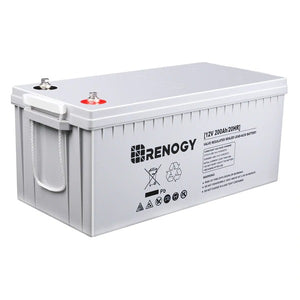
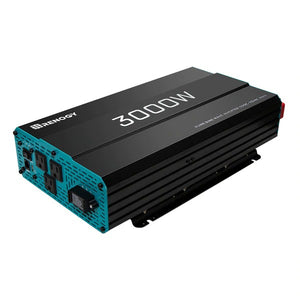
Having a reliable power source is crucial. Solar kits, inverter chargers, and batteries provide the energy needed to keep your phones and devices charged. Consider investing in a portable solar panel kit if mobility is a priority. This ensures that your devices can be charged whether you are in your tiny house or out exploring nature.
Maintain Device Longevity
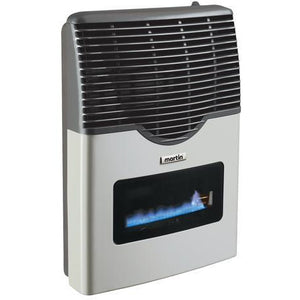
The key to keeping your communication devices operational is regular maintenance. Use water heaters and gas heaters to ensure your living environment remains functional. Protect your devices from extreme temperatures and moisture, as they can adversely affect performance.
Keep Backup Systems Ready
In case of emergencies, have backup communication systems. A mix of different communication tools—like two-way radios and portable generators—ensures you’re prepared for any situation. Having a simple plan can save you time and stress during emergencies.
Eco-Friendly Practices to Enhance Connectivity
Living off-grid doesn't mean you have to compromise on staying connected. In fact, you can enhance your communication while also maintaining eco-friendly practices:
Utilizing Renewable Energy Sources
Invest in solar panels and wind turbines to generate your own electricity. These renewable sources can power your communication devices endlessly. A good setup will include effective batteries that store power efficiently.
Efficient Energy Use
When you are off-grid, being energy-efficient is vital. Use energy-saving modes on your electronics, manage your solar generator effectively, and charge devices during peak sunlight hours to optimize energy consumption.
Composting Toilets and Water Conservation
Though it may not seem related to communication, having a reliable and eco-friendly setup—such as a composting toilet—means you won't be worrying about basic amenities, allowing you to focus more on maintaining communication. Efficient systems translate to a more stress-free living experience.
Staying Informed with Messaging Apps
In modern times, messaging apps are a great tool for maintaining connections. Once you have internet access through Wi-Fi hotspots, you can easily connect with family and friends. Here are several apps that work well:
WhatsApp allows you to send messages, make voice calls, and even video calls, all while using minimal data.
Signal
For secure communication, Signal is a great option. It’s encrypted and allows you to send messages and make calls without fear of interception.
Facebook Messenger
If you are already connected on Facebook, Messenger allows for seamless communication with your social network while keeping you updated with community news.
Telegram
Telegram is an excellent platform for various groups, allowing you to remain connected with different communities of interest while facilitating group conversations.
Creating a Communication Plan
Having a well-structured communication plan can be your best ally in staying connected while living off-grid. Here’s how to create one:
Establish Check-in Protocols
Schedule regular check-ins with friends and family to keep them informed about your well-being. This practice takes advantage of your communication tools optimally while ensuring your loved ones are always in the loop.
Set Communication Goals
Decide what your communication priorities are. Is it family updates? Important news? Emergency alerts? Setting goals will help you utilize your communication tools efficiently, ensuring you don’t miss any crucial information.
Know Emergency Contacts
Have a list of emergency contacts available offline. Whether through a printed copy or stored on your devices, these contacts can be a lifesaver if your communication methods fail.
The Future of Communication Off Grid
As technology evolves, staying connected while off-grid will become easier. Innovations in solar kits, wind turbines, and battery technology will enhance your ability to communicate effectively. With the growing popularity of renewable energy solutions, you can expect to see more tools that maintain connectivity without reliance on traditional energy sources.
Creating Your Off-Grid Success
Maintaining communication while living off-grid requires both the right tools and strategies. By investing in devices powered by renewable energy, keeping your equipment in top condition, and establishing solid communication protocols, you can enjoy a fulfilling, connected lifestyle. The peace that comes with off-grid living doesn’t mean complete isolation. With the right approach, you can thrive both in the natural world and in your connections to others.