










 (800) 975-2413











Overview
Choosing the right location is crucial for a successful off-grid lifestyle. Consider your personal needs such as climate, access to resources (water, land quality, sunlight, wind), legal requirements, and energy solutions (solar, wind). Ensure accessibility and plan for comfort with heating, cooling, and waste management systems. Community safety and environmental responsibility are also important. Embrace the journey of finding your ideal off-grid paradise that balances convenience, comfort, and a connection to nature.
Key Takeaways
- Evaluate Personal Needs: Identify what type of off-grid experience you want, considering climate and environment preferences.
- Access to Resources: Prioritize locations with clean water, fertile land, and sunlight for solar energy.
- Legal Considerations: Research zoning laws and land use regulations to ensure compliance with local requirements.
- Energy Solutions: Choose between solar kits and wind turbines based on your location's natural resources.
- Comfort Systems: Plan for heating, cooling, and plumbing systems that function independently from the grid.
- Community Engagement: Assess neighborhood safety and connect with local off-grid communities for support and resources.
- Sustainable Practices: Implement eco-friendly practices to minimize environmental impact and preserve local ecosystems.
Living off the grid offers unparalleled freedom and a unique way of connecting with nature. However, one of the fundamental aspects of establishing a successful off-grid lifestyle is selecting the perfect location. This decision will significantly impact your quality of life and your ability to utilize renewable resources effectively. In this guide, we will explore essential considerations to help you find the ideal spot that meets your needs, from access to natural resources to the options for various off-grid systems like solar kits and wind turbines.
Understanding Your Needs
Before you dive into the specifics of a location, it’s vital to evaluate your personal needs and preferences. What type of experience do you envision for your off-grid lifestyle? Consider the following:
Climate and Environment
The climate is perhaps the most crucial factor to consider. Think about the type of weather conditions you enjoy and can handle year-round. Whether it’s a warm climate with plenty of sunshine or a cooler region perfect for snow sports, choose an area that aligns with your lifestyle choices.
Proximity to Resources
When selecting a location for your off-grid home, you should prioritize how close you are to essential resources. Access to clean water sources, fertile land for cultivation, and materials for building can significantly influence your quality of life. Consider the following resources:
- Water Supply: A sustainable water source is critical. Explore areas near rivers, lakes, or sources that can be easily tapped.
- Land Quality: The quality of land determines your ability to grow food. Look for soil that can support gardens or small-scale farming.
- Sunlight Exposure: Ensure your chosen location has ample sunlight, as this is crucial for solar panels and kits.
- Wind Accessibility: Consider potential wind assets if you plan to invest in wind turbines.
Accessibility and Legal Considerations
Ensuring you have access to your chosen location is necessary for a smooth transition into off-grid living. Analyze both the physical and legal aspects of accessibility.
Physical Accessibility
Evaluate road conditions, public access, and nearby infrastructure. Even if you choose an isolated area, you’ll want a reliable route for bringing in supplies, repairs, or emergencies. Additionally, consider the terrain; will you require a 4x4 vehicle or are there standard roads that work?
Legal Requirements
Check the zoning laws and land use regulations in your chosen area. Some locations may have restrictions on building, water use, or waste disposal methods, such as composting toilets. Understanding these regulations ensures that your off-grid lifestyle complies with legal standards.
Choosing Off-Grid Energy Solutions
A significant factor in living off the grid is your energy supply. Selecting the right energy solutions aligned with your location will help reduce your dependence on external sources.
Solar Energy
Solar kits are one of the most popular renewable energy options for off-grid living. They capture sunlight and convert it into electricity, which can be stored in batteries for later use. Consider the placement of your solar panels for maximum sun exposure—typically on the roof of your structure or a nearby clearing.
Wind Energy
If your location has consistent winds, wind turbines can be a viable energy source. Wind energy can complement solar systems, especially during seasons when sunlight is limited.
Backup Power
When living off-grid, it's essential to prepare for power outages or periods of low generation. Invest in portable generators or solar generators for emergencies. These devices can quickly provide the power needed to operate essential appliances.
Energy Storage
Consider the type of batteries you'll use for energy storage. Selecting high-capacity batteries ensures you can store excess energy generated during sunny or windy days for use when conditions are less favorable. This can significantly enhance the reliability of your off-grid power system.
Creating a Comfortable Living Space
Your off-grid location is not just about survival; it’s about creating a comfortable living experience. Think about what systems and appliances you'll need to facilitate this lifestyle.
Heating Solutions
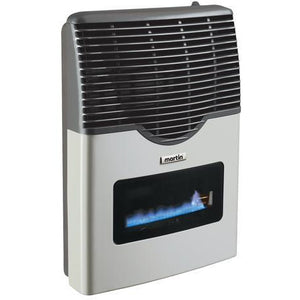
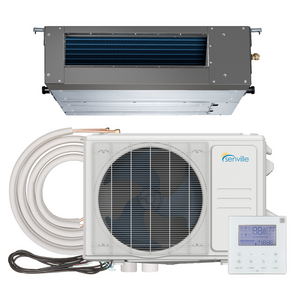
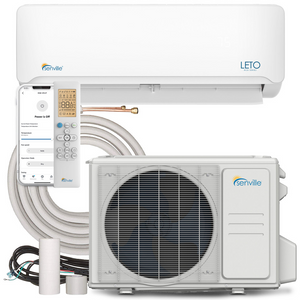
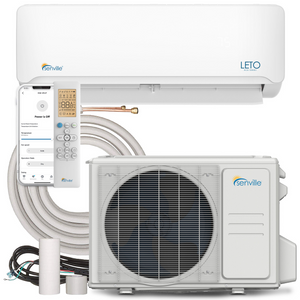
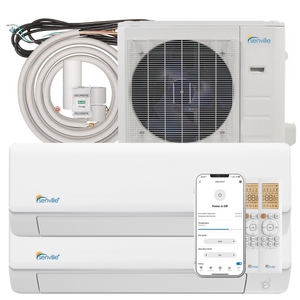
In cooler climates, having effective heating sources like gas heaters or mini splits can make a significant difference. Evaluate how these systems can work independently from grid power, ensuring they fit your off-grid model.
Cooling and Air Quality
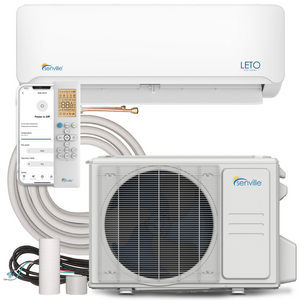
In hotter areas, consider the need for cooling solutions. Mini splits can provide efficient air conditioning without a hefty energy cost. This is essential for maintaining comfort levels in extreme weather conditions.
Indoor Plumbing and Waste Management
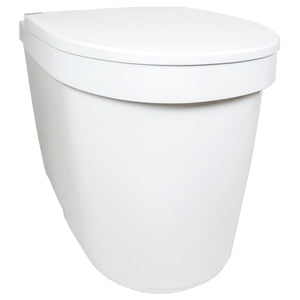
For water and sewage systems, consider options like composting toilets that do not require a septic system. They can simplify waste management in remote areas and reduce environmental impact.
Water Heating
Water heaters also play a critical role in your off-grid setup. Whether powered by solar kits, propane, or wood, effective water heating solutions ensure you keep your lifestyle as comfortable as possible.
Assessing Security and Community
Off-grid living often comes with a sense of solitude; however, assessing the security of your location and the surrounding community is essential. Having neighbors nearby can provide added safety and camaraderie while also assisting in community-building activities.
Neighborhood Safety
Research the crime rates in your chosen area. A safe community will likely bring peace of mind, making it easier to immerse yourself in your off-grid lifestyle without constant concern for your safety.
Connecting with the Community
Engaging with a nearby community can provide invaluable support, helping you learn from their experiences and share resources. Consider local meetups or off-grid living groups to foster relationships with like-minded individuals.
Embracing Nature Responsibly
Part of living off-grid is respecting the natural environment. Ensure you have a plan for sustainable land use and renewable energy sources that align with eco-friendly principles.
Land Conservation
Preserve local wildlife and plant habitats by establishing green practices. This not only helps maintain the ecosystem but also aligns with the values associated with off-grid living.
Minimal Environmental Impact
Utilize alternative energy systems like portable solar panels and wind turbines to produce clean energy. Reducing carbon footprints through these means allows you to enjoy your off-grid lifestyle while being a good steward of the planet.
Find Your Off-Grid Paradise
Selecting the perfect location for your off-grid lifestyle can be daunting, but it’s a rewarding journey filled with discovery. Focus on understanding your needs, assessing resources, and choosing the right energy solutions that align with your lifestyle goals. Whether you imagine a small cabin in the woods or a tiny home in an open field, let your vision guide your choice. Ultimately, the right location combines convenience, comfort, community, and a deep connection to nature. The journey toward an off-grid lifestyle is filled with potential—embrace it fully and start your adventure today!
Glossary
| Term | Meaning |
|---|---|
| Off-Grid | Living independently from public utilities, using self-sufficient systems. |
| Renewable Resources | Natural resources that can be replenished, like solar and wind energy. |
| Solar Kits | Equipment to harness solar energy for electricity generation. |
| Wind Turbines | Devices that convert wind energy into usable electricity. |
| Water Supply | Access to a sustainable source of clean water. |
| Land Quality | Soil health and fertility for agriculture and gardening. |
| Heating Solutions | Systems to maintain warmth in cooler climates, independent of grid power. |
| Composting Toilets | Waste management systems that decompose waste without water. |
| Energy Storage | Batteries or systems to store excess energy for later use. |
| Neighborhood Safety | Assessing crime rates and safety in the local community. |
Linked Product

BougeRV CRX2 31QT Battery Powered Insulated Dual-Zone Portable Fridge With 2 x Batteries
The BougeRV CRX2 31QT Battery Powered Insulated Dual-Zone Portable Fridge provides reliable cooling for food and beverages, making it an ideal companion for camping, road trips, or off-grid living. Its dual-zone design allows users to store items at different temperatures, functioning as both a fridge and freezer. With two built-in batteries, this portable fridge offers extended use away from traditional power sources.
View Product