










 (800) 975-2413










Overview
Off-grid living offers families a sustainable and cost-effective lifestyle closer to nature. It involves reducing reliance on public utilities through renewable energy sources, food production, and efficient waste management. Key steps include assessing family needs, choosing the right location, and investing in essential tools like solar kits and composting toilets. Embracing this lifestyle fosters community, teaches valuable skills, and minimizes environmental impact, despite the challenges that may arise during the transition.
Off-grid living is no longer just a dream for self-sufficient homesteaders; it's becoming an increasingly viable option for families looking for a simpler lifestyle, closer to nature. Many families are discovering the numerous benefits, including sustainability and decreased living expenses. While the transition might seem daunting, with the right tools and mindset, getting off the grid can be a rewarding experience. In this article, we’ll explore how to make off-grid living work for families, discussing essential tools like solar kits, composting toilets, and more.
Understanding Off-Grid Living
Off-grid living means being self-reliant and reducing your dependence on public utilities. This lifestyle often involves using renewable energy sources, growing your own food, and implementing waste management systems. It requires a commitment to embracing sustainability and often involves some initial investment. However, the long-term benefits can make it worthwhile. Families can cultivate a strong sense of community, reduce environmental impact, and teach children valuable life skills.
Getting Started: Planning Your Off-Grid Transition
Before diving into off-grid living, families should plan their approach carefully. Here are some steps to consider:
Assess Your Needs
Every family is different, and your off-grid setup should reflect your unique requirements. Consider the following factors:
- Size of your family
- Ages of children
- Current lifestyle and routines
- Space and property considerations
Choose Your Location Wisely
The location is crucial for off-grid living. Ideally, you’ll want access to:
- Sunlight for solar energy
- Wind for wind turbines
- Water sources, if possible
- Space to grow food
Invest in Essential Equipment
Your family will need specific equipment to thrive off-grid. Key components include:
Key Equipment for Off-Grid Living
Solar Kits and Portable Solar Panels
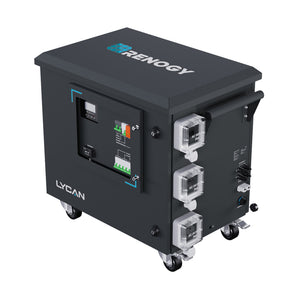
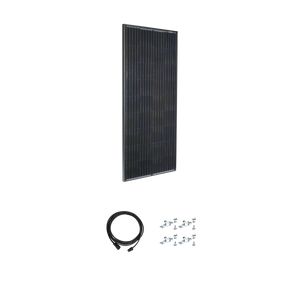
Harnessing the power of the sun is one of the most popular and effective strategies for off-grid living. Solar kits provide a comprehensive solution for generating electricity, suitable for powering appliances and lighting. Portable solar panels are also beneficial, offering flexibility to collect energy wherever you go. Investing in solar generators can provide backup energy during cloudy days or during emergencies.
Batteries and Inverter Chargers
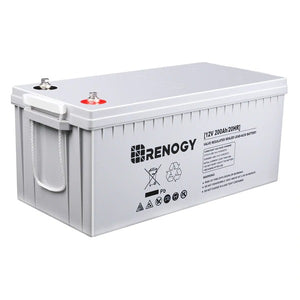
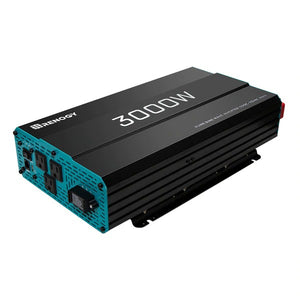
Energy storage is essential for a successful off-grid setup. Batteries allow you to store excess power generated during sunny days. Coupling your solar kits with inverter chargers will enable you to convert the stored DC electricity into usable AC power for your home. Families should analyze their energy consumption to determine the appropriate battery system to meet their needs.
Heating Essentials: Gas Heaters and Mini Splits
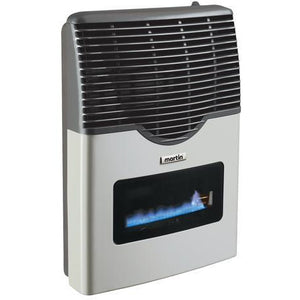
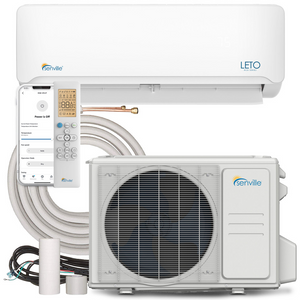
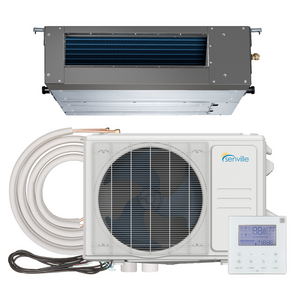
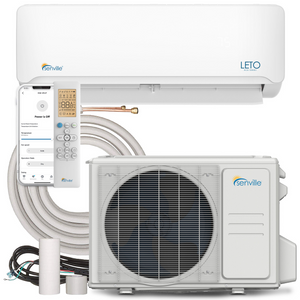
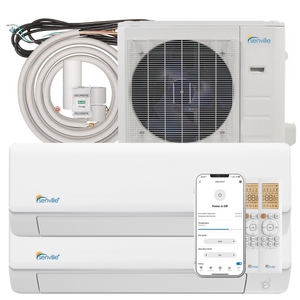
Keeping your family comfortable year-round is vital. Gas heaters are a popular choice for their efficiency and ability to heat spaces quickly. Mini splits offer versatility in heating and cooling, allowing for personalized comfort in different areas of your living space. Both options can be powered using renewable energy solutions to align with your off-grid lifestyle.
Composting Toilets
Having a waste management system is crucial in an off-grid scenario. Composting toilets are eco-friendly alternatives that reduce water usage and convert waste into compost, benefiting your garden. This not only minimizes waste treatment costs but also turns your family’s requirements into valuable resources.
Water Management: Water Heaters and Portable Generators
Establishing a reliable water system is another key fact in off-grid living. Water heaters can ensure that your family has access to hot water for cleaning and bathing. Additionally, portable generators can provide backup power for your water pumps, especially during times when solar energy production is low.
Wind Turbines
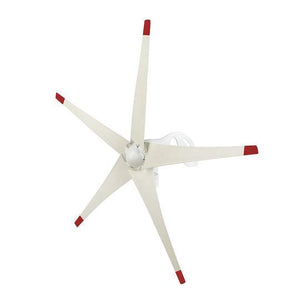
For families living in windy areas, incorporating wind turbines can significantly enhance energy generation. Wind energy complements solar energy, filling in power generation gaps when sunlight is scarce. Along with your solar kits, wind turbines can create a hybrid system that maximizes energy independence.
Food Production: Growing Your Own Food
Growing your own food is one of the most rewarding aspects of off-grid living. Families engaged in gardening develop a deeper understanding of food production while providing fresh, organic produce for their households. Here are some considerations:
Starting a Garden
Create a plan for a garden that'll suit your family's needs. Start with easy-to-grow crops and gradually expand as you gain experience. Incorporate:
- Vegetables
- Fruits
- Herbs
- Composting systems to enrich your soil
Small Animals for Supplementary Food Sources
Consider raising small animals such as chickens for eggs or rabbits for meat. These can be excellent renewable food sources that require relatively little space. Furthermore, keeping animals can teach children responsibility and provide them with hands-on lessons about food sourcing.
Community and Resources
Transitioning to off-grid living can feel isolating. However, many communities around the country and online are dedicated to this lifestyle. Networking with other families can provide valuable resources, advice, and camaraderie. Join forums, attend local workshops, and participate in meetups to expand your knowledge. Families will find that shared experiences can ease the transition significantly.
Living Sustainably and Minimizing Waste
Embracing an off-grid lifestyle goes beyond energy consumption. Sustainable living also encompasses reducing waste. Here are some strategies:
Practice Recycling and Upcycling
Develop a habit of recycling materials such as cardboard, glass, and metal. Consider upcycling items into new uses rather than discarding them. This practice not only reduces waste but also encourages creativity within the family.
Reduce Consumables
Prioritize reusable items to minimize single-use products. Consider using cloth napkins, reusable shopping bags, and water bottles. This adoption reduces waste and saves money over time, contributing to your family's off-grid living experience.
Educate the Family
Teaching your children about sustainability and resource conservation is vital. Encourage discussions about energy consumption, waste management, and food production. This education fosters a sense of responsibility and cultivates lifelong habits of sustainability.
Overcoming Challenges: Resilience in Off-Grid Living
Like any substantial lifestyle change, off-grid living comes with challenges. From adjusting to a new routine to troubleshooting equipment, families should be prepared to adapt as needed. Here are some recommended approaches to overcoming these obstacles:
Stay Flexible and Maintain a Positive Attitude
Adjusting to an off-grid lifestyle may not happen overnight. Families should embrace challenges with an open mind and a positive attitude. Staying flexible allows for easier problem-solving when unexpected issues arise.
Build a Support Network
As mentioned earlier, connecting with others already embracing off-grid living can provide unique insights and support. Learning from others' experiences helps families better prepare for the challenges ahead.
Your Pathway to Freedom Awaits
Off-grid living presents an amazing opportunity for families to reconnect with nature, build lifelong skills, and significantly reduce their environmental footprint. By carefully planning, investing in essential tools like solar kits, composting toilets, and other renewable energy systems, families can create a sustainable and fulfilling lifestyle. Remember that this journey may come with its fair share of challenges, but the rewards—both personal and environmental—are invaluable. Embrace the lifestyle and let your family's off-grid adventure begin!