










 (800) 975-2413










Overview
Off grid living is a sustainable lifestyle that promotes self-sufficiency by using natural resources for energy and water. This guide covers the essentials, including choosing a location, energy solutions like solar and wind, water management, waste disposal, and growing your own food. It also highlights the benefits, challenges, and importance of community support while encouraging a minimalist approach.
In recent years, the movement towards off grid living has gained significant momentum as more individuals seek to escape the shackles of conventional utility-based lifestyles. Off grid living not only promotes a sustainable lifestyle but also encourages personal autonomy and self-sufficiency. If you've ever considered this way of life, you're not alone. This guide will walk you through the fundamental aspects of off grid living, including how to embrace a green lifestyle, the equipment you may need, and the benefits of this exciting journey.
What Does Off Grid Living Mean?
Off grid living refers to a lifestyle that is independent of public utilities. This means that individuals who choose this lifestyle will not rely on city water, electricity, or natural gas. Instead, they harness natural resources to meet their energy and water needs. This often includes using solar energy through solar kits, harvesting rainwater, and utilizing sustainable solutions for waste disposal like composting toilets.
The Appeal of Off Grid Living
The desire for off grid living stems from various motivations, including:
- Environmental Concerns: Many individuals choose this lifestyle to reduce their carbon footprint and live greener.
- Cost Savings: Living off grid can significantly reduce utility costs.
- Self-Sufficiency: The challenge of being self-reliant can be incredibly fulfilling.
- Connection with Nature: Embracing off grid living often leads to stronger connections with the environment.
Getting Started with Off Grid Living
Transitioning to an off grid lifestyle may seem daunting, but there are some essential steps to help you get started. Here’s how you can pave your way to a sustainable lifestyle:
Choosing the Right Location
Begin your journey by selecting an appropriate location. Look for areas with reliable access to natural resources such as sunlight, wind, and water. These factors will aid in the provision of energy and water needs. Consider the following when selecting your land:
- Access to sunlight for solar power systems
- Wind patterns for potential wind turbines
- Proximity to water sources
- Soil quality for gardening
Energy Solutions for Off Grid Living
Energy is a critical component of living off grid. Here are some energy solutions you can implement:
Solar Energy
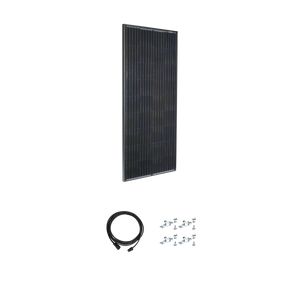
Solar energy is one of the most popular forms of sustainable energy for off gridders. You can utilize solar kits or portable solar panels to harness the sun’s energy for your electricity needs. Consider how many solar panels you will need based on your daily energy consumption.
Wind Energy
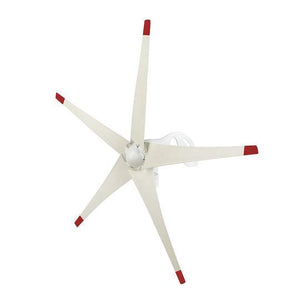
In addition to solar energy, consider investing in wind turbines if your location experiences consistent winds. This can provide an additional energy source, complementing your existing solar solutions.
Battery Storage
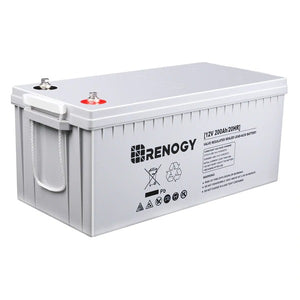
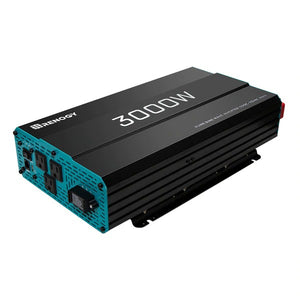
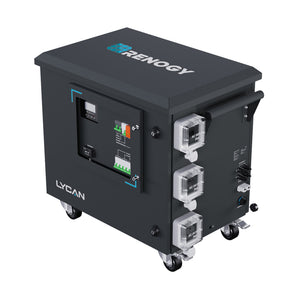
One of the essential components of off grid energy systems is storage. Utilizing batteries allows you to store energy for use during periods of low sunlight or lack of wind. Pairing batteries with inverter chargers ensures that your stored energy can be converted into usable electricity.
Heating Solutions
Heating your off grid home efficiently is also crucial. You can consider:
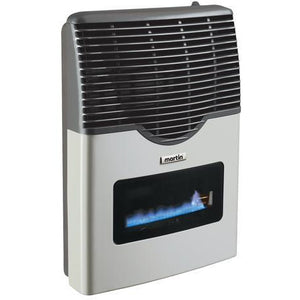
- Gas Heaters: Great for quick warmth.
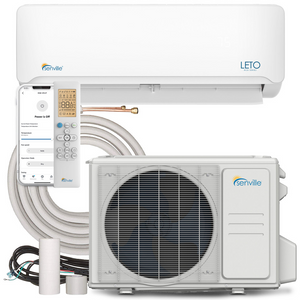
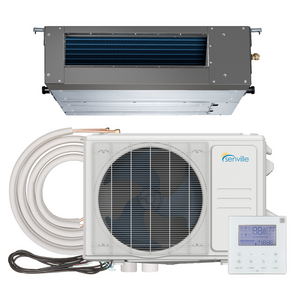
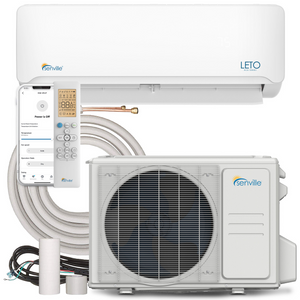
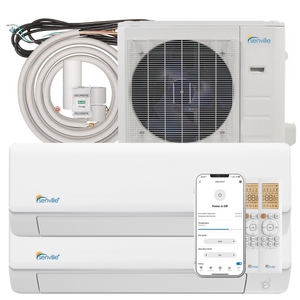
- Mini Splits: Efficient HVAC options for small spaces.
- Wood Stoves: A traditional and resourceful heating solution.
Water and Waste Management
Water and waste management are vital to off grid living, ensuring you have access to clean water and a way to handle waste responsibly.
Water Collection and Treatment
Rainwater harvesting systems allow you to collect and store rainwater for your household needs. Installing water filters ensures you have a safe drinking water supply. Water heaters can also help provide hot water when necessary.
Sustainable Waste Disposal
Embrace the use of composting toilets as an innovative and eco-friendly method of waste disposal. These units convert human waste into compost, which can be used to enrich your garden soil when managed correctly.
Living with Minimalism
One significant aspect of off grid living is embracing minimalism. It’s essential to declutter your life and focus on what is truly important. This mindset not only streamlines your living space but also enhances overall productivity as you focus on a simpler lifestyle.
Gardening and Food Production
Growing your food is one of the most rewarding aspects of off grid living. A vegetable garden can provide essential nutrients and contribute to your self-sufficiency. Consider the following tips:
- Start with easy-to-grow plants such as tomatoes and cucumbers.
- Utilize companion planting to maximize space and improve yields.
- Consider raised beds or container gardening if space is limited.
Backup Energy Solutions
While solar and wind energy are excellent primary energy sources, it’s wise to have backup options like portable generators. These can be vital during unexpected periods of low energy production. Always assess your energy needs and ensure your backup systems align with your lifestyle.
Financing Your Off Grid Setup
Beginning your off grid journey can be a significant investment, but it’s essential to plan and budget accordingly. Consider the costs associated with:
- Land acquisition
- Energy systems (solar kits, wind turbines, batteries, inverter chargers)
- Water systems (harvesting and treatment)
- Waste management solutions (composting toilets)
Community and Support
Engaging with others who share your off grid aspirations can provide valuable support and insights. Online forums, local meetups, and social media groups are great places to connect with like-minded individuals. They can help you:
- Share experiences and solutions.
- Find inspiration for projects.
- Offer moral support during tough times.
Challenges in Off Grid Living
While off grid living is rewarding, it’s essential to recognize the challenges. These might include:
- Initial setup costs
- Maintenance of systems
- Learning curve for sustainable practices
- Limited access to conveniences
Your Off Grid Adventure Awaits
Eventually, it's essential to understand that off grid living is more than just a lifestyle choice; it's a commitment to a sustainable future. It represents the merging of self-sufficiency and an eco-friendly philosophy that empowers you to make a difference. As you embark on this exciting journey, ensure you’re equipped with the right tools, such as solar generators, portable solar kits, and ingenious strategies for managing your resources. Embrace the adventure ahead, and enjoy the profound rewards that come with living a truly sustainable life!