










 (800) 975-2413










Overview
Off-grid living allows for self-sufficiency and a deeper connection to nature by using renewable resources like solar energy, rainwater harvesting, and sustainable waste management. This guide covers the benefits, key components, and essential considerations for starting an off-grid lifestyle, including energy systems, heating solutions, and eco-friendly building materials.
Are you longing for a lifestyle that connects you more deeply to nature? Off-grid living is an appealing alternative that offers independence from traditional utilities. In this comprehensive guide, we'll delve into the essentials you need to know about off-grid life, and how you can create your own sustainable oasis with tools like solar kits, composting toilets, and more.
Understanding Off Grid Living
Off-grid living refers to a lifestyle where individuals or families live independently from traditional electricity, water, and sewage systems. This self-sufficient lifestyle often includes sustainable practices that reduce reliance on external resources.
Benefits of Off Grid Living
- Independence: Enjoy the freedom of not relying on utilities.
- Sustainability: Reduce your environmental footprint through renewable resources.
- Cost savings: Save money long-term by investing in systems like solar generators and water heaters.
- Connection to nature: Experience a deeper relationship with your surroundings.
Key Components of Off Grid Living
To start your journey into off-grid living, there are several key components to consider. Each plays a vital role in ensuring your setup meets all necessary needs.
Energy Systems
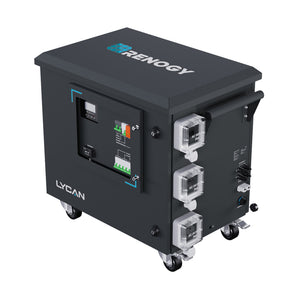
The cornerstone of off-grid living is a reliable energy system. Whether you opt for solar kits, wind turbines, or a combination of both, having a sustainable source of energy is crucial.
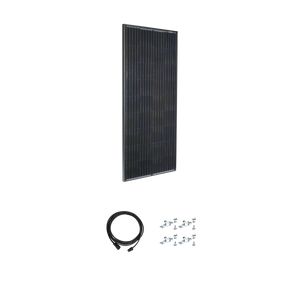
- Solar Kits: These systems convert sunlight into usable electricity, allowing you to power your appliances and devices.
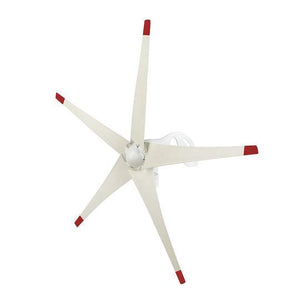
- Wind Turbines: Harness the power of wind to generate electricity, providing an additional layer of energy independence.
Storing Energy
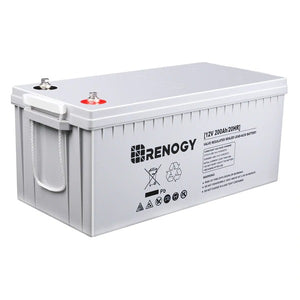
To make the most of your renewable energy resources, it's essential to store the energy you generate. This is where batteries come into play.
- Batteries: These allow you to store excess energy generated during sunny or windy days, making it available for use during times of low generation.
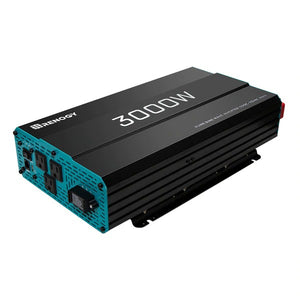
- Inverter Chargers: These devices convert the direct current (DC) from batteries into alternating current (AC), which powers most household appliances.
Heating Solutions
Heating is a must, especially in cooler climates. Fortunately, there are various off-grid heating solutions available.
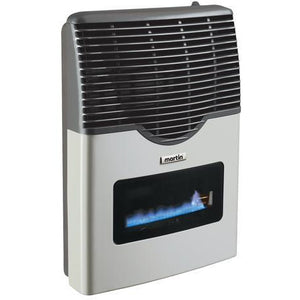
- Gas Heaters: A reliable option to keep your space warm without needing electricity.
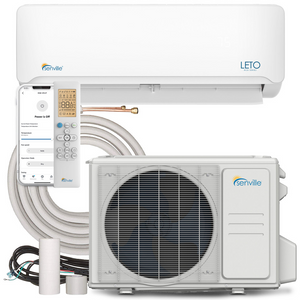
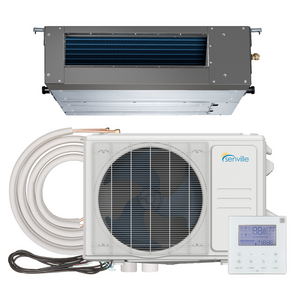
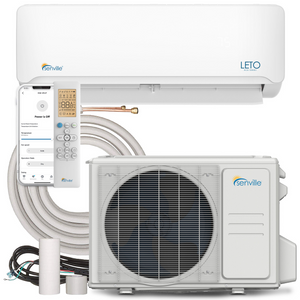
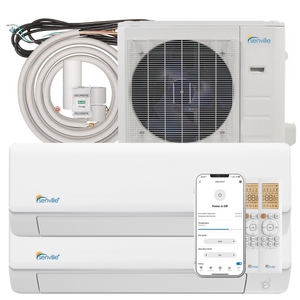
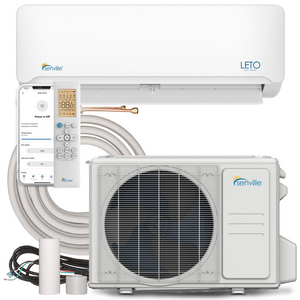
- Mini Splits: These energy-efficient systems provide both heating and cooling solutions and can be powered by solar energy.
Water Systems
Water is vital for survival, so creating a sustainable water system is critical. Off-grid homes often utilize:
- Rainwater Harvesting: Collecting rainwater to be filtered for drinking and household use.
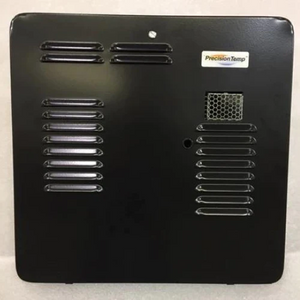
- Water Heaters: Utilizing solar or propane to heat water for bathing, cooking, and cleaning.
Sustainable Waste Management
Managing waste in an environmentally friendly way is part of off-grid living. Composting toilets are one of the most popular solutions.
- Composting Toilets: These units break down waste and convert it into compost, drastically reducing your need for water and traditional sewage systems.
Portable Solutions for the Wandering Spirit
If you're not ready to commit to a permanent off-grid setup, consider portable solutions that let you embark on adventures while still maintaining a sustainable lifestyle.
Portable Solar Kits and Panels
Portable solar kits and panels are excellent for on-the-go energy needs. Ideal for RVs, campers, or day trips, these systems ensure you can harness solar power wherever you are.
Portable Generators
In situations where solar energy might not be sufficient, a portable generator can be a great backup. These devices can be powered by propane or natural gas, ensuring you have electricity even off the beaten path.
Designing Your Off Grid Home
When planning your off-grid home, it's essential to focus on both functionality and comfort. Here are some tips to get you started:
- Choose the right location: Look for land that has access to sunlight, wind, and fresh water.
- Plan your layout: Optimize the design of your home to take advantage of natural light and airflow.
- Prioritize insulation: Keep your home warm in winter and cool in summer, reducing energy needs.
Eco-Friendly Materials
Consider using sustainable materials to build your home. Options such as reclaimed wood, straw bales, or earthbag construction can significantly lower your environmental impact.
Getting Started: Essential Considerations
Embarking on an off-grid journey requires careful planning and research. Here are key factors to keep in mind:
- Budget: Establish a budget for initial setup costs, keeping in mind that the investment will save money in the long run.
- Research local laws: Ensure that you understand land use regulations, building codes, and sustainable practices.
- Build a community: Connecting with like-minded individuals or networks can offer support, advice, and inspiration.
Education and Resources
Take time to educate yourself on sustainable living practices, technology, and techniques. Many online resources, books, and community workshops can provide valuable information.
The Path to Self-Sufficiency
Transitioning to off-grid living is more than just a lifestyle choice; it’s a commitment to sustainability and self-sufficiency. With the right tools like solar generators, composting toilets, and other off-grid essentials, you can create a life that aligns with your values and vision of independence.
No matter where you are in your journey, remember that the steps you take today lead to a fulfilling and rewarding off-grid lifestyle tomorrow. Whether you choose to go all-in or start with portable solar panels and small systems, your choices today can transform your life into one of freedom, adventure, and connection with the world around you.