










 (800) 975-2413










Overview
- Understand the off-grid lifestyle and benefits.
- Choose an appropriate location with access to natural resources and favorable climate.
- Design an efficient home using sustainable materials.
- Set up renewable energy systems like solar and wind power.
- Ensure a clean water supply and effective waste management solutions.
- Maintain comfortable heating and cooling systems.
- Build a supportive community for resources and shared knowledge.
Living off the grid isn't just a lifestyle choice; it's a vision for a more sustainable future. Building your first off-grid home can seem daunting, but with careful planning and a little ingenuity, it can be a fulfilling experience. This comprehensive guide will walk you through the essential steps to successfully plan your first off-grid home.
Understanding the Off-Grid Lifestyle
Before diving into the planning process, it's crucial to understand what living off the grid truly means. This lifestyle involves becoming self-sufficient, with minimal reliance on public utilities. Off-grid living often includes utilizing renewable energy sources, efficient waste management systems, and sustainable water solutions.
Benefits of Off-Grid Living
- Environmental Sustainability: Lowering your carbon footprint.
- Financial Freedom: Reducing or eliminating utility bills.
- Self-Sufficiency: Becoming less dependent on external supplies.
- Connection with Nature: Living in harmony with your surroundings.
Choosing a Location
The first step in planning your off-grid home is selecting the right location. Factors to consider include access to natural resources, climate, zoning laws, and proximity to essential services. A well-suited location can significantly enhance your off-grid experience.
Natural Resources
Evaluate the availability of the following resources:
- Sunlight for solar kits and solar generators.
- Wind currents for wind turbines.
- Water sources for potential well drilling.
Climate and Weather Conditions
Your region’s climate will influence your energy needs. Warmer areas may allow you to rely predominantly on solar power, while colder climates will necessitate heating solutions like gas heaters or water heaters. Understanding local weather patterns will inform your decisions on insulation, energy production, and home structure.
Designing Your Off-Grid Home
A well-thought-out design is key to a functional off-grid home. You'll need to determine the layout, size, and materials that will meet your needs while maximizing energy efficiency.
Size and Layout
Consider how much space you truly need. Smaller homes tend to use fewer resources, making them ideal for off-grid living. Here are some tips on layout:
- Use open-plan designs to maximize space.
- Incorporate large windows for natural light and passive solar heating.
- Plan spaces for energy systems, such as battery storage and inverter chargers.
Materials
Utilize sustainable building materials whenever possible. Choose options that provide excellent insulation while being eco-friendly, such as:
- Reclaimed wood
- Straw bales
- Earthbags
- Rammed earth
Setting Up Your Energy Systems
One of the most critical aspects of an off-grid home is establishing efficient energy systems. You can tap into solar power, wind energy, and various innovative technologies to power your home sustainably.
Solar Kits and Portable Solar Panels
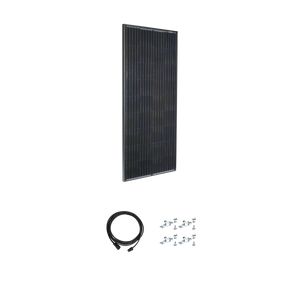
Solar energy is a popular choice for off-grid living. Investing in solar kits and portable solar panels will allow you to generate electricity using sunlight. Consider the following components:
- Solar panels: Convert sunlight into electricity.
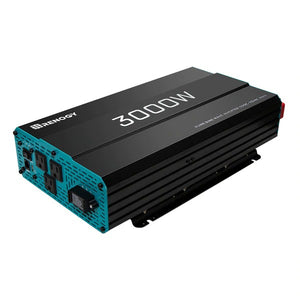
- Inverter chargers: Convert stored DC electricity from your batteries into usable AC power.
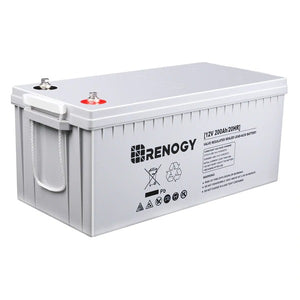
- Batteries: Store excess energy for use during cloudy days or nights.
Wind Turbines
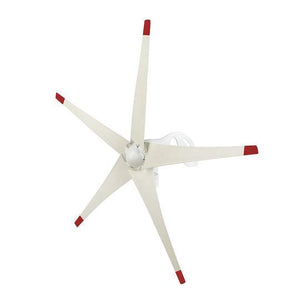
If you live in an area with consistent winds, consider installing wind turbines to complement your solar systems. Wind turbines can produce significant energy contributions during stormy or cloudy weather, ensuring you have a reliable power supply.
Backup Power with Portable Generators
In case of prolonged cloudy conditions or wind lulls, having portable generators on hand is essential. They can serve as a backup power source that helps maintain your electrical needs without relying on external grids.
Water Supply and Management
Access to clean water is crucial for any home, especially for an off-grid setup. You'll want to consider how you’ll source, store, and treat your water.
Water Sources
Examine potential water sources in your area:
- Drilling a well for groundwater
- Rainwater harvesting systems
- Nearby rivers or lakes (with appropriate filtration systems)
Water Treatment
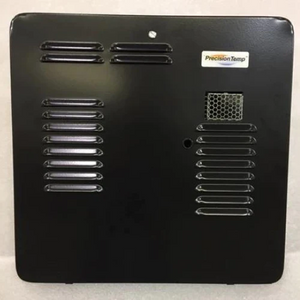
Establishing a reliable water filtration and treatment system is essential. In addition, incorporating efficient water heaters will optimize energy usage when preparing hot water for your household. Consider utilizing propane or electric options, depending on your energy source.
Waste Management Solutions
Managing waste appropriately is a vital consideration for any off-grid home. Traditional sewage systems are generally not feasible in an off-grid model, so alternative solutions must be implemented.
Composting Toilets
Composting toilets provide an eco-friendly waste disposal option, allowing you to recycle human waste into nutrient-rich compost. They are efficient, reduce water usage, and are easy to maintain.
Greywater Systems
Implementing a greywater system can help recycle water from sinks, showers, and washing machines for irrigation or toilet flushing. Such systems are eco-friendly and conserve valuable water resources.
Heating and Cooling Systems
Maintaining a comfortable temperature inside your off-grid home is essential for enjoying the space year-round. Depending on your location, consider options for both heating and cooling your home.
Heating Solutions
In colder climates, select efficient heating methods to keep your home warm during winter months:
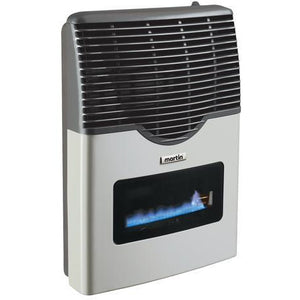
- Gas heaters: Provide robust heating power with minimal energy consumption.
- Wood stoves: A sustainable and traditional method for heating.
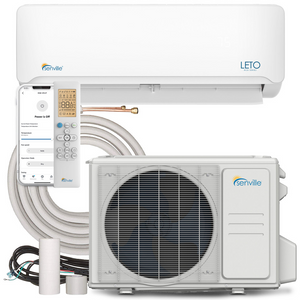
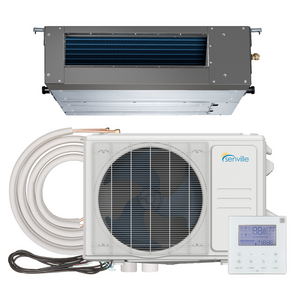
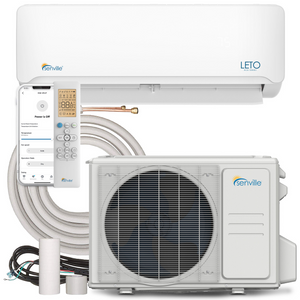
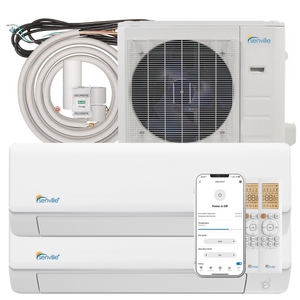
- Mini splits: Offer both heating and cooling capabilities while being energy-efficient.
Cooling Solutions
In hotter climates, adequate cooling is vital for comfort. Explore options like:
- Ceiling fans: Improve air circulation without consuming much power.
- Natural ventilation: Strategically place windows and vents to encourage airflow.
- Mini splits: As mentioned earlier, mini splits can also serve as energy-efficient cooling solutions.
The Importance of Community
Embracing an off-grid lifestyle doesn’t mean you have to go it alone. Building a community of like-minded individuals can offer support, resources, and shared knowledge. Participate in local workshops, forums, and events to build connections with others who share your passion for sustainable living.
Connect with Online Communities
Various online communities exist, from social media groups to dedicated forums. Engage with others embarking on similar journeys, exchange tips, and even trade ideas about solar kits, mini splits, and other off-grid technologies.
Your Off-Grid Journey Starts Now
The dream of living off the grid can become a reality with careful planning and execution. By understanding what it means to live sustainably, choosing the right location, designing an efficient home, setting up renewable energy systems, managing water and waste, and connecting with a supportive community, you’re well on your way to making your off-grid oasis a reality. The journey might have its challenges, but the rewards of independence and self-sufficiency will make every effort worth it.