










 (800) 975-2413









Overview
Living off the grid is a sustainable lifestyle that relies on renewable energy sources like solar, wind, and hydroelectric power. This guide covers the benefits of renewable energy, including environmental impact, cost savings, and energy independence. It highlights essential equipment such as solar kits, wind turbines, and battery storage, as well as complementary solutions like portable generators and composting toilets. With proper planning and adaptation, transitioning to renewable energy can create a fulfilling, eco-friendly lifestyle.
Living off the grid can be a rewarding and sustainable lifestyle choice. As more people seek independence from traditional power systems, understanding renewable energy sources becomes essential. With the right tools and knowledge, you can harness the sun, wind, and even water to power your tiny home. This guide delves into the various renewable energy sources for off-grid living, focusing on solar kits, wind turbines, and more.
Why Choose Renewable Energy for Off-Grid Living?
Renewable energy sources are becoming increasingly popular for those seeking self-sufficiency. Here’s why they’re ideal for off-grid living:
Environmental Benefits
Solar panels, wind turbines, and other renewable sources significantly reduce your carbon footprint, allowing you to enjoy an eco-friendly lifestyle. This reduction in greenhouse gases is vital in combating climate change.
Cost Savings
While the initial investment may seem steep, the long-term benefits of renewable energy can lead to substantial savings. After your solar kits and wind turbines are installed, you can enjoy free electricity, significantly lowering your energy bills.
Energy Independence
Living off the grid allows you to generate your own power, making you less susceptible to market fluctuations and power outages. This level of energy independence gives you the freedom to live wherever you choose without worrying about traditional utility providers.
Overview of Renewable Energy Sources
When it comes to generating your own energy off the grid, several renewable sources are available. Here’s a closer look at each:
Solar Energy
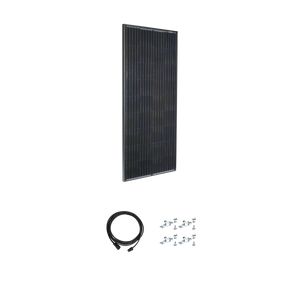
Solar energy is one of the most widely used renewable energy sources for off-grid living. By using solar kits equipped with solar panels, you can capture sunlight and convert it into electricity. Here’s how:
- Solar Panels: These devices convert sunlight into electricity, providing power for appliances and systems in your home.
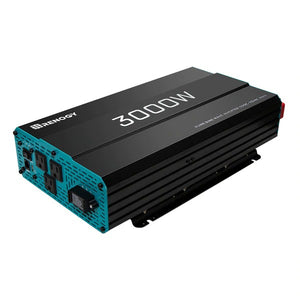
- Inverter Chargers: These devices convert the direct current (DC) produced by solar panels into alternating current (AC), allowing you to power conventional appliances.
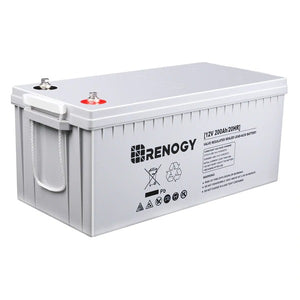
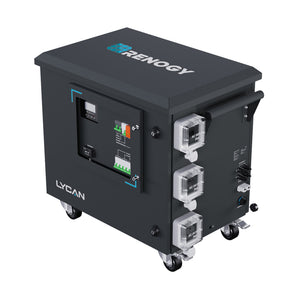
- Batteries: Storing excess energy in batteries ensures you have power during cloudy days or at night, providing consistent energy availability.
- Portable Solar Kits: These compact kits are especially useful for temporary off-grid living situations and can easily be moved to different locations.
Wind Energy
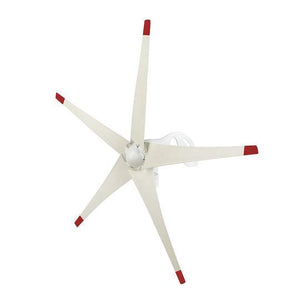
Wind turbines harness the power of the wind to generate electricity. Here’s how they work and what to consider:
- Types of Wind Turbines: Small-scale turbines are suitable for personal use, while larger models can provide significant energy output.
- Location: The effectiveness of wind turbines largely depends on your location. Areas with consistent wind patterns will yield the best results.
- Integration: When combined with solar kits, wind turbines can ensure a steady power supply, especially during adverse weather conditions when sunlight may be limited.
Hydroelectric Energy
If your off-grid location has access to flowing water, hydroelectric systems can be another renewable energy source. Here’s what you need to know:
- Micro-Hydro Systems: These systems can generate electricity using the kinetic energy of flowing water, making them ideal for remote locations near rivers or streams.
- Setup and Maintenance: While setting up a hydro system may require more effort than a solar or wind system, the return on investment can be substantial, as they typically produce consistent energy.
Complementary Energy Solutions
While solar energy and wind power are the primary renewable sources, you may want to consider additional solutions to enhance your off-grid experience:
Portable Generators
Portable generators can serve as backup power for those emergency situations when renewable sources are insufficient. They're also a great complement for camping or short-term adventures.
Gas Heaters
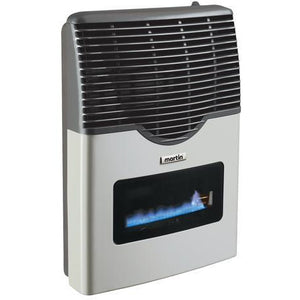
For heating needs during the colder months, gas heaters provide a reliable option, especially in areas where traditional electricity might be limited. They can run on propane or natural gas, offering warmth without relying on your solar or wind system.
Mini Splits
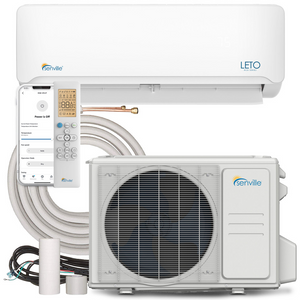
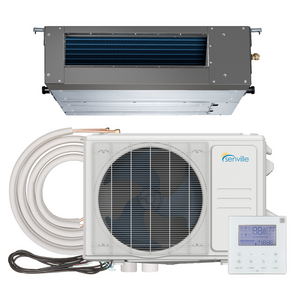
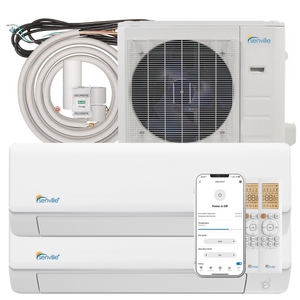
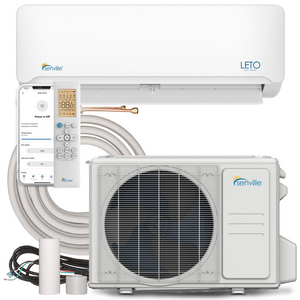
Mini splits are energy-efficient heating and cooling systems that can work efficiently with your solar-generated energy. They provide comfort without excessive energy consumption, allowing you to maintain a cozy environment in your tiny home.
Composting Toilets
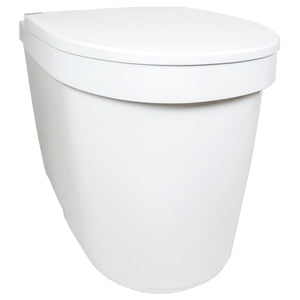
Another essential component of off-grid living is managing waste. Composting toilets are the perfect solution, conserving water while creating usable compost from waste. This sustainable practice aligns perfectly with an eco-friendly lifestyle.
Water Heaters
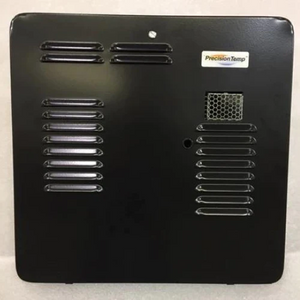
Water heaters powered by solar energy can provide hot water for showers, dishes, and more without relying on traditional electricity. Solar water heating systems can be straightforward to install, enhancing your energy independence.
How to Get Started with Renewable Energy
Transitioning to renewable energy for off-grid living might seem daunting, but with proper planning, it can be an exciting journey. Here’s how to get started:
Evaluate Your Energy Needs
Assess your energy consumption by listing all devices you plan to use off the grid. This will help you determine the size of the solar system, wind turbines, or other systems you'll need.
Choose the Right Equipment
Once you know your energy requirements, choose the appropriate renewable energy sources. Consider solar kits for primary energy, supplement with wind turbines, and install a battery storage system for backup power.
Installation and Maintenance
While some systems can be installed DIY-style, consulting with professionals is often advisable for larger projects. Regular maintenance will ensure longevity and efficiency of your renewable energy systems.
Monitoring and Adaptation
After installation, monitor your energy production and consumption. You may need to adapt your systems to different seasons, ensuring that your energy needs are consistently met.
Embracing a Sustainable Lifestyle
Transitioning to renewable energy for off-grid living is not just a choice but a lifestyle that embraces sustainability. By understanding and utilizing solar kits, wind turbines, and other innovative energy solutions, you empower yourself to become self-sufficient while minimizing your ecological impact.
By incorporating systems like batteries, inverter chargers, and even portable generators, you create a diverse energy portfolio that ensures a steady power flow no matter your location. Additionally, integrating energy-efficient appliances and sustainable practices, such as composting toilets and solar water heaters, enriches your off-grid living experience.
The journey toward energy independence is filled with opportunities for growth, learning, and connection with the environment. Start today, and you'll discover how integrated renewable solutions can create a fulfilling, sustainable lifestyle.