










 (800) 975-2413








Living off the grid is an exciting adventure that many dream of. It offers a lifestyle free from the constraints of municipal electricity and the hustle of urban living. However, one of the most significant considerations for off-grid living is your energy source. Solar power systems have become a popular choice for those looking to enjoy a sustainable and independent lifestyle. In this guide, we will explore everything you need to know about solar power systems, from the types of solar kits available to their integration with other essential off-grid systems.
Understanding Solar Power Systems
Solar power systems harness sunlight to create electricity, allowing you to power your home with renewable energy. They consist of various components, primarily solar panels, inverter chargers, and batteries. Overall, the solar system's configuration depends on the energy demands of your household and your personal preferences.
Types of Solar Kits
When it comes to solar kits, there are several options to consider. Here is a breakdown of the most common types that work exceptionally well for off-grid living:
- Portable Solar Kits: These kits are flexible and designed for easy transport, making them ideal for campers or those who need temporary energy solutions.
- Residential Solar Kits: These are comprehensive systems designed to power an entire home and usually come equipped with higher watt panels and large batteries.
- Standalone Solar Systems: Great for remote cabins, these systems are designed for areas without access to traditional power setups.
Essential Components of a Solar Power System
Every solar power system comprises several crucial components. Understanding each part can help you choose the right setup for your needs.
Solar Panels
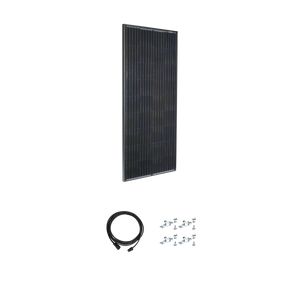
Solar panels are the heart of any solar power system. They convert sunlight into electricity. The number of panels you need will depend on your energy requirements and the amount of sunlight your location receives. For off-grid living, investing in efficient solar panels can significantly enhance your energy supply.
Batteries
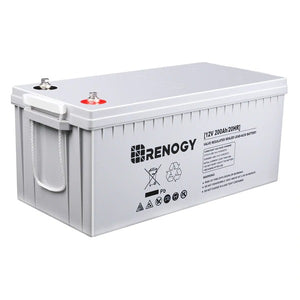
Batteries store excess electricity generated by your solar panels for use during cloudy days or at night. Choosing the right batteries is vital for maintaining a consistent power supply. Lithium-ion batteries are popular due to their durability and efficiency, but deep-cycle lead-acid batteries are also common in off-grid setups.
Inverter Chargers
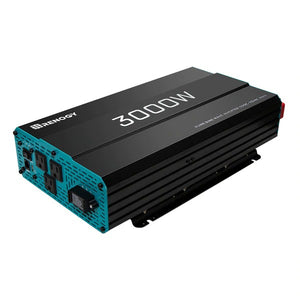
Inverter chargers convert the DC electricity from your solar panels and batteries into AC electricity, which is used to power most household appliances. It is essential to choose an inverter that meets your energy needs. Make sure to consider how you will integrate this with other systems, like gas heaters and water heaters.
Portable Solar Generators
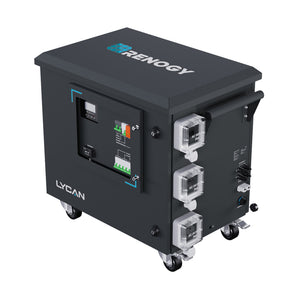
Portable solar generators are an excellent addition to any off-grid living setup. They provide a compact solution for power needs during outings or emergencies. These units often come with built-in batteries and inverter chargers, making them a convenient choice for temporary power requirements.
Integration with Other Off-Grid Systems
Solar power systems can be seamlessly integrated with other essential off-grid systems to enhance your living experience.
Comfort Heating Solutions
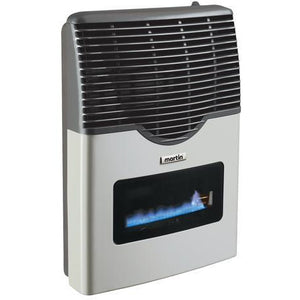
To maintain a cozy environment, consider integrating gas heaters or using solar-powered heating solutions with your solar power system. This can significantly reduce your reliance on traditional heating methods.
Cooling Options
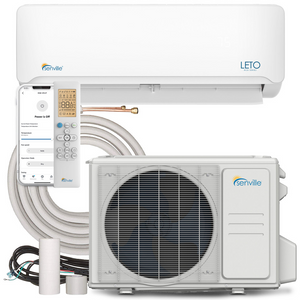
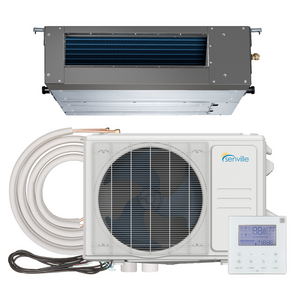
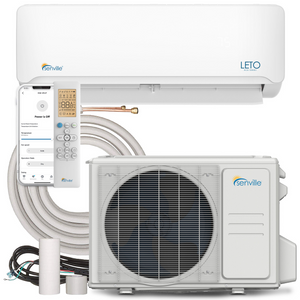
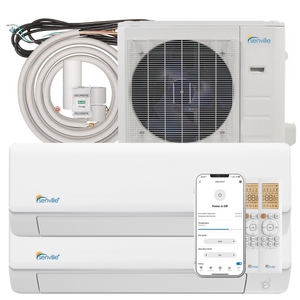
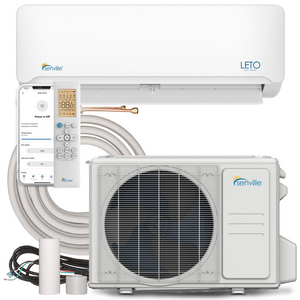
Another crucial factor when living off-grid is staying cool during the hotter months. Mini splits are an energy-efficient way to cool your space without using excessive power. Integrating them with solar power ensures you maintain comfort without sacrificing sustainability.
Water Heating
Access to hot water is another lifeline in off-grid living. Implementing solar water heaters or electric water heaters powered by your solar system can provide a reliable source of hot water without the need for traditional energy consumption.
Powering Up with Wind Turbines and More
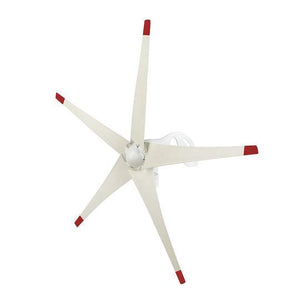
For those looking to expand their off-grid energy options, combining solar power systems with wind turbines can be extremely beneficial. This hybrid approach maximizes electricity generation, especially in regions where sunlight is inconsistent. Here are a few things to consider:
- Wind Turbines: These can supplement your solar power system, providing energy during windy conditions, enhancing overall energy independence.
- Portable Generators: For those rare occasions when your solar or wind resources aren’t enough, portable generators can act as a dependable backup source.
Choosing the Right Site for Solar Panel Installation
Selecting the perfect location for solar panel installation is critical for maximum efficiency. Factors to consider include:
- Sunlight Access: Ensure your panels are installed in a location that receives adequate sunlight throughout the day, avoiding shaded areas.
- Angle and Orientation: Panels should ideally face south at an angle that helps them capture the most sunlight.
- Space Considerations: Ensure you have enough roof space or land area for your solar panels and any additional components.
Maintenance Tips for Solar Power Systems
Proper maintenance is crucial for enhancing the lifespan and efficiency of your solar power system. Here are some tips to ensure your system remains in peak condition:
- Regular Cleaning: Dust, leaves, or snow can block sunlight and reduce efficiency. Clean your panels regularly, especially after adverse weather conditions.
- Monitor Your System: Keep an eye on your system's performance through the inverter's display. This will allow you to catch any issues early.
- Check Your Batteries: Regularly check the health of your batteries and replace them as necessary to avoid energy shortages.
The Financial Aspect of Off-Grid Solar Systems
Investing in a solar power system may require some upfront costs, but the long-term benefits can far outweigh these expenses.
Initial Costs
Costs can vary depending on the size and type of the solar system. Components such as solar panels, batteries, and installation can add to the initial investment.
Long-Term Savings
While you might experience a significant initial expense, the savings on monthly electricity bills and the potential for tax incentives and rebates can make solar power systems financially advantageous over time.
Incorporating Sustainability into Your Lifestyle
Living off the grid is not just about energy; it’s also about embracing a sustainable lifestyle. Here are some ways to complement your solar system and enhance your eco-friendly lifestyle:
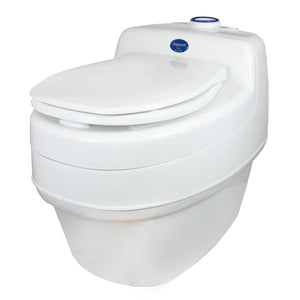
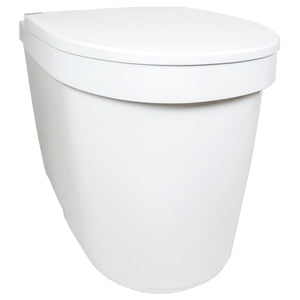
- Composting Toilets: These toilets offer a sustainable sanitation solution that doesn’t rely on conventional plumbing.
- Water Conservation: Implement rainwater harvesting systems to supplement your water supply, making your entire living setup more eco-friendly.
- Gardening and Food Production: Consider growing your own food as part of a self-sustaining lifestyle, which ties well into the off-grid living concept.
Embarking on Your Off-Grid Adventure!
Deciding to live off the grid with the aid of solar power systems can be an incredible journey that combines freedom, sustainability, and self-sufficiency. By understanding the various components of solar kits, integrating complementary systems, embracing sustainable practices, and ensuring proper maintenance, you’ll be well on your way to creating an efficient and enjoyable off-grid lifestyle. Remember, every decision impacts your experience, so take your time, research your options, and make informed choices that align with your values. The adventure awaits you!