










 (800) 975-2413







In a world that's increasingly leaning toward sustainable living, energy independence has become more than just a buzzword; it's a lifestyle for many. Off-grid power generation is an attractive solution for those wishing to break free from conventional energy reliance, particularly folks living in tiny houses or seeking an alternative lifestyle. With essential tools like solar kits, wind turbines, and batteries, it's possible to enjoy modern conveniences without the limitations of a traditional power grid. This article explores various options for off-grid power generation, helping you make informed decisions for a more sustainable future.
The Appeal of Off-Grid Living
Before diving into the different methods of power generation, it’s essential to understand what draws individuals to off-grid living. These may include:
- Independence from utility companies
- Reduced utility bills
- Environmental sustainability
- Increased self-sufficiency
- Ability to live remotely in nature
As the tiny house movement continues to grow, many are discovering that they can have all the comforts of home while also being eco-friendly. The right energy generation systems are key to achieving this balance.
Solar Power: The Most Popular Option
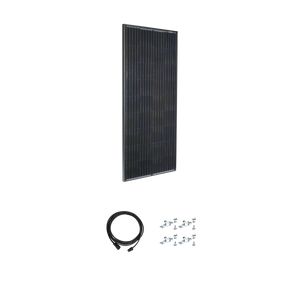
Solar energy is perhaps the most well-known and widely used method for off-grid power generation. With solar kits becoming increasingly available and affordable, this option is viable for both hobbyists and serious off-grid dwellers. Solar energy has several benefits, including:
- Renewable and inexhaustible energy source
- Decreased carbon footprint
- Low maintenance costs
When it comes to setting up solar power, you'd typically start with portable solar panels, which can be easily moved to maximize sun exposure. Solar generators are another great alternative for homeowners, providing immediate access to electricity during daylight hours. A quality inverter charger can help convert the direct current (DC) electricity generated from solar panels into the alternating current (AC) needed for household appliances.
Choosing the Right Solar Kit
When selecting a solar kit, consider the following factors:
- Power Requirements: Determine your daily power consumption to size your solar kit appropriately.
- Quality of Components: Opt for high-efficiency solar panels and reliable inverter chargers.
- Portability: If you plan to move your setup, lightweight and compact options will be beneficial.
With a well-chosen solar kit, you can generate sustainable and renewable energy effectively, making strides toward energy independence.
Wind Turbines: A Complementary Solution
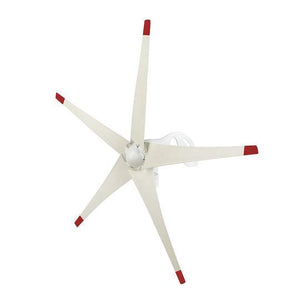
Another viable off-grid power generation option is wind energy. Wind turbines can be an excellent addition to a solar system, especially in regions where wind speeds are consistently high. By harnessing wind energy, you can improve your overall energy output. Here are some advantages:
- Works during cloudy days when solar generation may decline
- Constant energy generation if installed in a windy location
- Potential for excess energy generation to store in batteries
Considerations for Wind Power
Before investing in wind turbines, take note of the following:
- Location: Ensure your chosen location can sustain adequate wind speeds.
- Size: Choose a turbine that suits your energy needs while fitting within available space.
- Regulations: Check for local laws regarding wind turbine installation and height restrictions.
By integrating wind turbines into your power system, you can optimize your energy independence and reduce dependence on traditional power sources.
Batteries: Energy Storage Solutions
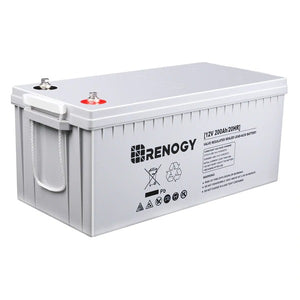
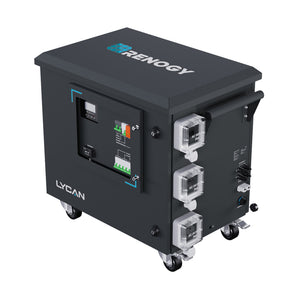
Having reliable energy storage is crucial for off-grid living. Batteries provide the essential service of storing energy generated by solar panels and wind turbines. When the sun isn’t shining or the wind isn’t blowing, these batteries ensure a consistent power supply.
Types of Batteries for Off-Grid Living
Various battery options are available for off-grid systems, but two of the most popular types are:
- Lead-Acid Batteries: These are the traditional choice, known for their affordability. However, they require regular maintenance.
- Lithium-Ion Batteries: Offering greater energy density and longer lifespans, lithium-ion batteries are becoming the go-to choice despite a higher initial investment.
When selecting batteries, consider capacity, cycle life, and discharge rate to ensure you choose the right solution for your energy needs.
Inverter Chargers: Converting DC to AC
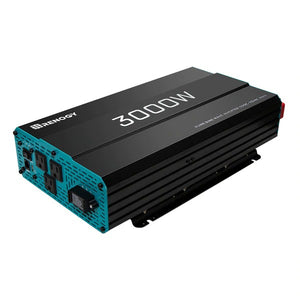
Inverter chargers play a critical role in any off-grid power generation system. They convert the DC electricity stored in batteries into AC electricity for your household appliances. These devices efficiently manage power usage while keeping your energy supply stable.
Choosing the Right Inverter Charger
Here’s what to consider when choosing an inverter charger:
- Power Output: Make sure that the inverter can handle your electrical load, especially if you plan to run multiple appliances.
- Type: Choose between pure sine wave or modified sine wave inverters based on your appliances' compatibility.
- Features: Look for additional features such as built-in battery management systems or remote monitoring capabilities.
With the right inverter charger, you'll ensure a reliable power supply for all your electrical needs.
Portable Generators: Flexibility on the Go
For those requiring flexibility in their power sources, portable generators can be an excellent solution. These devices are especially beneficial during power outages or when temporary power is needed at various sites.
Benefits of Portable Generators
The versatility of portable generators includes:
- Easily transported wherever you go
- Instant power for tools, appliances, or recreational activities
- Ability to supplement energy generation during peak usage times
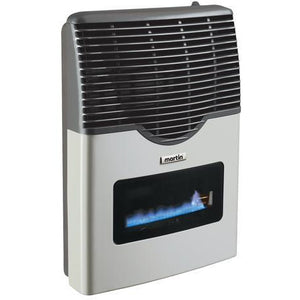
Keep in mind the fuel type when investing in a portable generator. Gas heaters can provide rapid heating but may require a constant fuel supply.
Water Heaters for Off-Grid Living
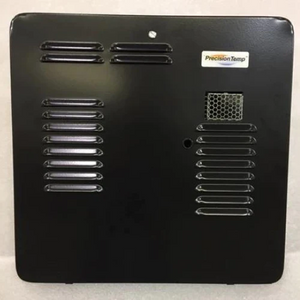
Energy independence means you don’t have to compromise on comforts. Off-grid water heaters are available in various configurations, including instant water heaters that can run on propane or solar energy. These systems ensure a continuous supply of hot water for daily needs.
Types of Water Heaters
Consider these options when looking for your ideal off-grid water heating solution:
- Solar Water Heaters: Efficient and eco-friendly, these heaters utilize solar energy to heat water. Excellent for warm climates.
- Gas Water Heaters: Ideal for those requiring rapid heating capabilities.
By investing in a suitable water heating solution, you can maintain modern comforts, even off the grid.
Climate Control with Mini Splits
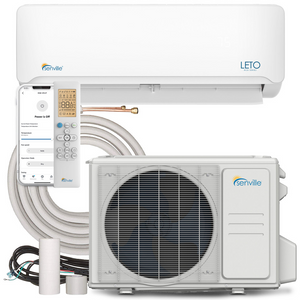
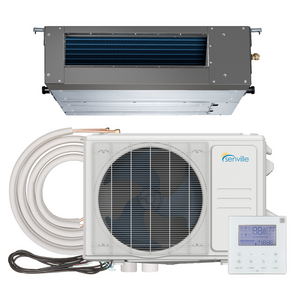
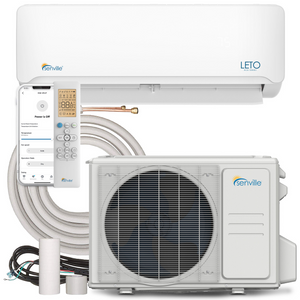
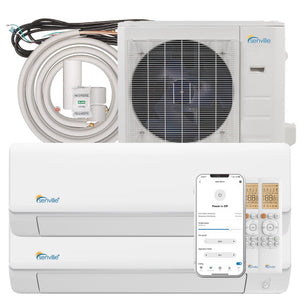
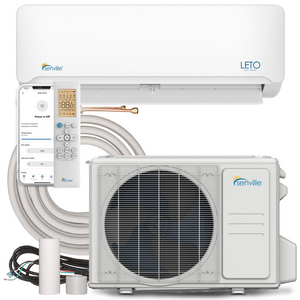
Ensure maximum comfort in your off-grid lifestyle by integrating mini splits for heating and cooling. These systems provide efficient climate control without relying on traditional HVAC methods.
Why Choose Mini Splits?
The benefits of mini splits include:
- Energy-efficient, reducing overall power consumption
- Can heat and cool individual rooms, allowing for precise temperature control
- Easy installation and minimal maintenance
With climate control covered, you will enhance your off-grid living experience while enjoying energy independence.
Composting Toilets: Sustainable Sanitation
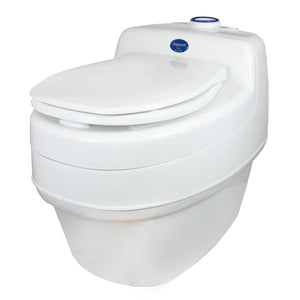
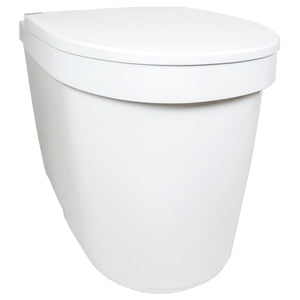
No off-grid lifestyle is complete without addressing sanitation. Composting toilets offer an eco-friendly alternative to traditional systems. These toilets utilize natural processes to break down waste and can significantly reduce reliance on water.
Advantages of Composting Toilets
Embracing composting toilets brings several benefits:
- Minimal water usage—greatly beneficial in off-grid setups
- Reduces your ecological footprint
- A cost-effective solution for waste management
By integrating composting toilets into your off-grid system, you can ensure sustainable sanitation while contributing positively to the environment.
Getting Started on Your Off-Grid Journey
As you explore the options for off-grid power generation, consider what combination works best for your lifestyle and energy requirements. Remember that energy independence is not just about the devices you choose but also about creating a comprehensive, efficient system tailored to your specific needs.
Energy independence is attainable with the right planning and investment in technologies like solar kits, wind turbines, batteries, and more. Embrace this journey toward a more sustainable lifestyle by analyzing your options and embracing the shift to off-grid energy generation. Equip yourself with the knowledge to select the best solutions for your needs, and soon you’ll experience the freedom that comes with being off the grid.