










 (800) 975-2413










Overview
Starting an off-grid garden offers fresh, organic food while promoting sustainability. Key steps include assessing your space, understanding your climate, selecting easy-to-grow plants, preparing soil, utilizing rainwater and efficient irrigation, and incorporating renewable energy solutions. Regular maintenance, pest management, and proper harvesting/storage techniques are essential for success. Embrace this journey towards self-sufficiency and eco-friendliness to enhance your lifestyle.
Are you yearning for a more sustainable lifestyle? Starting an off-grid garden can provide you with fresh, organic food while reducing your overall environmental footprint. In today’s blog post, we will explore essential tips, techniques, and tools needed to kickstart your off-grid gardening journey. Let’s dig into the details!
Why Grow Your Own Food?
Growing your own food not only fosters self-sufficiency but also offers numerous benefits:
- Healthier Food: Homegrown fruits and vegetables are fresher and free from harmful pesticides.
- Cost-Effective: Save money on groceries by cultivating your produce.
- Environmental Benefits: Reduces carbon emissions associated with transporting food.
- Personal Satisfaction: There’s joy in nurturing plants and harvesting your own food.
Planning Your Off-Grid Garden
Before you dig in, proper planning is essential for a successful off-grid garden. Follow these steps to streamline your gardening process:
Assess Your Space
Determine how much space you have available. This could be a small plot in your backyard, balcony containers, or even raised beds. Consider the sunlight a location receives; most vegetables require at least six hours of direct sunlight daily.
Climate Considerations
Understanding your local climate is vital in selecting the right plants. Do you live in a hot, dry climate or a cooler, wetter area? Research the seasons and select plants that thrive under those conditions.
Selecting the Right Plants
Choosing the right vegetables, fruits, and herbs is crucial for a productive off-grid garden. Here are some easy-to-grow options:
- Leafy Greens: Spinach, lettuce, and kale grow quickly and provide a continual harvest.
- Root Vegetables: Carrots, potatoes, and radishes are resilient options to consider.
- Fruiting Plants: Tomatoes, peppers, and zucchini are popular with home gardeners.
- Herbs: Basil, parsley, and cilantro can enhance your meals and are easy to grow!
Soil Preparation and Composting
Good soil is the foundation of any successful garden. Here’s how to prepare your soil:
Testing Your Soil
Before planting, consider testing your soil to understand its pH, nutrient levels, and texture. There are several DIY kits available, or you can send a sample to your local extension service for detailed analysis.
Improving Soil Quality
Incorporate organic matter to enrich your soil. Consider starting a compost pile to recycle kitchen scraps and yard waste into nutrient-rich compost. Compost helps improve soil structure and provides essential nutrients to plants. Plus, it’s an incredible way to embrace sustainability!
Watering Your Off-Grid Garden
Water is essential for plant growth. As you embark on your off-grid gardening journey, consider the following sustainable watering methods:
Rainwater Collection
Setting up a rainwater collection system is a fantastic way to provide your plants with fresh, chemical-free water. Use barrels to capture runoff from gutters, and connect them to watering systems for easy access.
Irrigation Techniques
Drip irrigation is highly efficient for off-grid gardens. This method delivers water directly to the roots, minimizing evaporation and runoff. You can easily set up a drip system using tubing and emitters.
Utilizing Off-Grid Power Solutions
When setting up an off-grid garden, consider various power solutions to aid your gardening tasks. Here are some options to explore:
Solar Kits
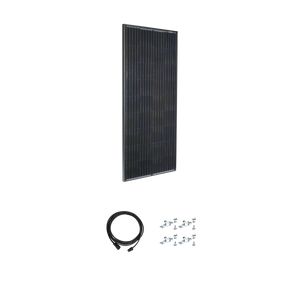
Solar kits can power various garden tools and systems. From electric fences to irrigation timers, they provide a renewable energy source right at your fingertips.
Portable Solar Panels
If you’re gardening in a remote area, portable solar panels can help you power small gadgets or tools while on the move. Their flexibility allows you to use them anywhere outdoors.
Battery Systems
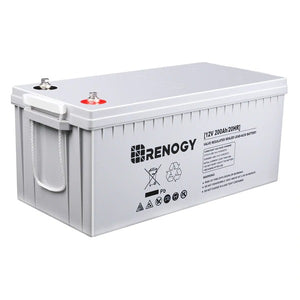
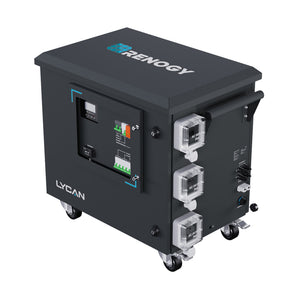
Batteries play a crucial role in off-grid living. They store energy collected from solar panels or wind turbines, allowing you to harness power even when the sun isn’t shining or the wind isn’t blowing.
Enhancing Comfort with Off-Grid Living Essentials
It’s not just about growing food; living off the grid means enhancing your overall comfort. Consider integrating the following essentials:
Mini Splits and Gas Heaters
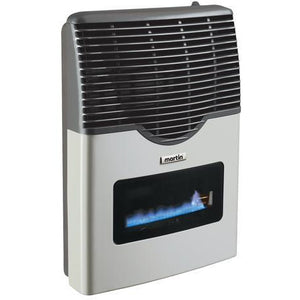
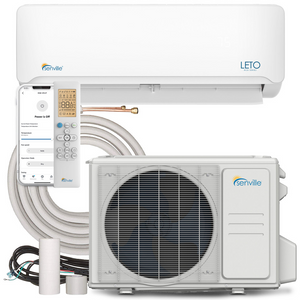
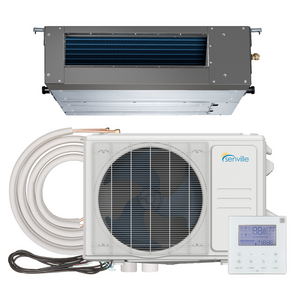
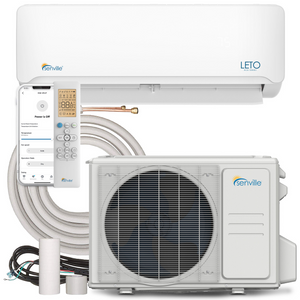
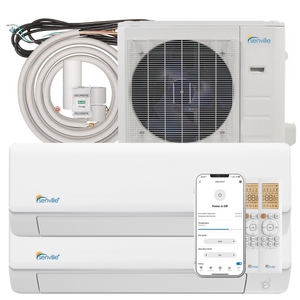
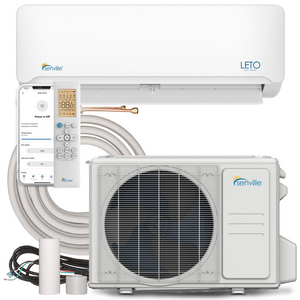
Depending on your climate, mini-split systems provide effective heating and cooling solutions, while gas heaters can keep your living space warm during colder months.
Portable Generators and Inverter Chargers
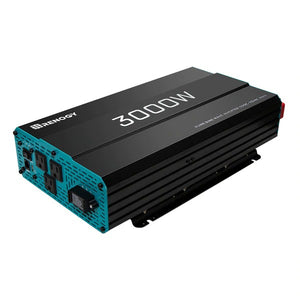
Having a portable generator can be useful for backup power, especially during inclement weather. Meanwhile, inverter chargers can help manage battery charging and ensure you have access to power whenever you need it.
Maintaining Your Off-Grid Garden
Regular maintenance is crucial to keep your garden thriving. Here’s how to ensure you’re on the right track:
Weed Control
Weeds can compete with your plants for nutrients and water. Hand-pulling is effective in small gardens, while mulching can suppress weed growth and retain moisture.
Pest Management
Naturally deter pests by introducing beneficial insects, such as ladybugs or lacewings, that eat harmful pests. Additionally, companion planting can confuse pests and minimize their impact on your garden.
The Joy of Harvesting
Once your plants are fully grown, the moment of harvest brings immense joy and satisfaction. Here’s how to do it:
Timing Your Harvest
Harvesting at the right time is essential for optimal flavor and nutrition. Each vegetable has specific timing, so research beforehand to ensure you are picking them at their peak.
Storage Techniques
Proper storage prolongs the freshness of your produce. Consider dehydration, canning, or freezing surplus harvests to enjoy your homegrown foods year-round.
Creating a Sustainable Lifestyle
Starting an off-grid garden is just the beginning of your journey towards sustainability. Embracing a lifestyle that prioritizes self-sufficiency, eco-friendliness, and overall well-being is the ultimate goal.
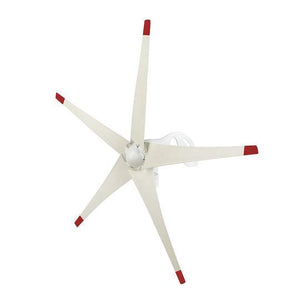
As you dig deeper into gardening, you might want to explore additional resources and tools that promote off-grid living. Embrace the benefits of renewable energy solutions, like wind turbines and solar generators, which can enhance your off-grid lifestyle.
Don’t be afraid to experiment and adapt as you learn more about your unique gardening space. The more you engage with your garden, the more you'll develop a personal connection with the land and food you grow. This journey isn’t just about cultivating plants; it’s about nurturing your spirit and family.
So, grab your gardening gloves, unleash your creativity, and step out into the marvelous world of off-grid gardening. It’s time to grow, thrive, and enjoy the fruits of your labor!