










 (800) 975-2413











Overview
Embracing an off-grid lifestyle through permaculture principles enhances sustainable living by promoting ecological balance and efficient resource management. Key practices include observing local ecosystems, utilizing renewable energy sources, designing integrated systems, community gardening, water management techniques, and prioritizing soil health for food production. Adopting eco-friendly habits and innovative technologies like solar and wind energy further support a sustainable lifestyle, ultimately fostering a deeper connection with nature.
Embracing an off-grid lifestyle can be incredibly rewarding, especially when coupled with the principles of permaculture. This holistic approach to sustainable living not only allows you to cultivate your own food and manage resources efficiently, but it also promotes ecological balance. In this article, we will explore essential permaculture principles tailored for sustainable off-grid living, covering everything from energy solutions like solar kits to waste management techniques such as composting toilets.
Understanding Permaculture Principles
Permaculture is defined as a system of agricultural and social design principles centered around simulating the patterns and features observed in natural ecosystems. Here are several foundational principles that can guide your journey towards a sustainable off-grid lifestyle:
Observe and Interact
The first principle of permaculture encourages you to observe the natural environment before making significant changes. This allows you to understand local ecosystems and make informed decisions about the right systems and techniques to implement in your off-grid setup. For instance, note the sun’s path, wind patterns, and the types of plants and wildlife present in your area.
Catch and Store Energy
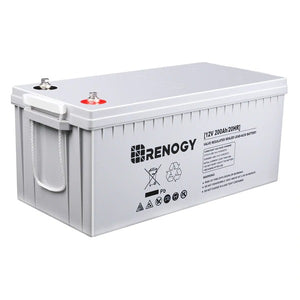
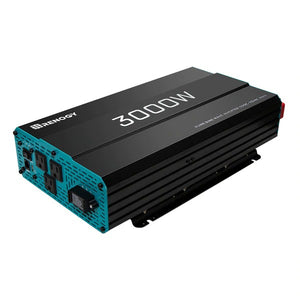
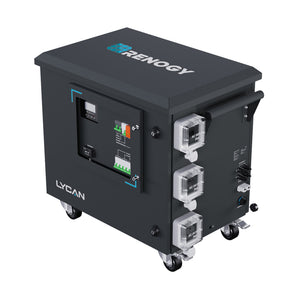
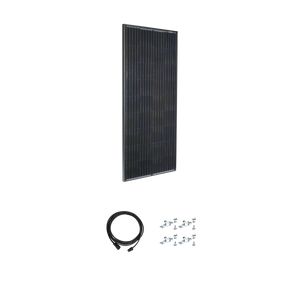
In an off-grid setting, energy conservation and generation are vital. Utilizing solar kits and wind turbines can help maximize your energy catchment. By installing portable solar panels and solar generators, you can generate renewable energy efficiently. It is essential to pair these systems with batteries and inverter chargers to store energy, ensuring that you have power available even when conditions are less than ideal.
Utilize Renewable Resources
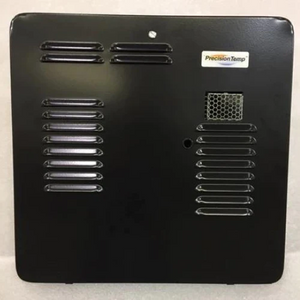
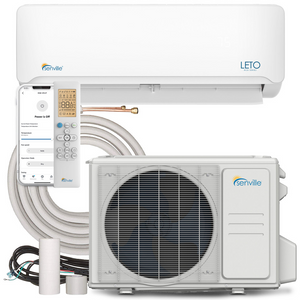
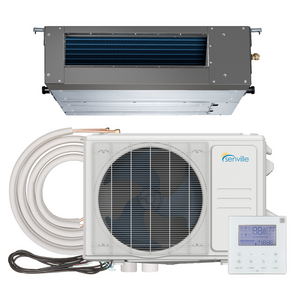
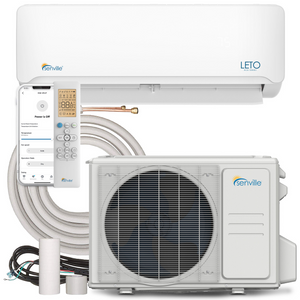
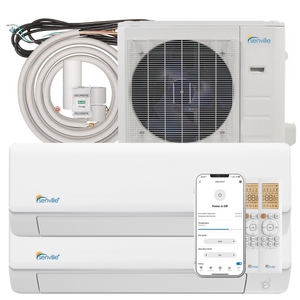
One of the key principles in permaculture is to work with nature rather than against it. This includes choosing energy-efficient solutions like gas heaters for heating and mini splits for maintaining a comfortable climate in your tiny space. Additionally, using portable generators ensures you have backup power when needed.
Designing Integrated Systems
Successful permaculture designs are characterized by synergy between different systems. For instance, consider how your water supply, waste disposal, and energy generation can be interconnected. Integrate water heaters powered by the energy generated from your renewable sources and ensure efficient waste management with composting toilets.
Implementing Permaculture in Your Off-Grid Community
Creating a sustainable community requires collaboration and sharing knowledge about the best practices. Here are some ideas to implement permaculture principles in your community:
Community Gardening
Encourage neighbors to establish community gardens where everyone can share responsibility for growing food. Use permaculture practices to maximize yield and minimize labor, promoting biodiversity and ecological health.
Workshop and Education
Host workshops to teach community members about sustainable living practices, including the benefits of portable solar kits and wind turbines. Knowledge transfer is a critical factor in successful communal permaculture projects.
Water Management Techniques
Water is an essential resource, especially in an off-grid setting. Implementing robust water management techniques can conserve this critical resource.
Rainwater Harvesting
Installing rain barrels and practicing rainwater harvesting is a great method to capture and store water for future use. This can also be integrated with your composting toilet system, utilizing greywater for irrigation.
Natural Filtration Systems
Design a natural filtration system that employs plants to filter and purify water. This minimizes the need for energy-intensive solutions, creating a local ecosystem that sustains itself.
Soil Health and Food Production
The health of your soil directly impacts the quality of food you produce. Implementing permaculture techniques that focus on soil health is crucial.
Companion Planting
Utilize companion planting techniques to improve yield and reduce pests naturally. By strategically placing plants together, you can create a robust ecosystem that encourages growth without reliance on synthetic chemicals.
Building Fertile Soil
Incorporate practices such as mulching, cover cropping, and organic composting to improve soil fertility. Compost made from your food scraps can be an excellent natural resource for enriching the soil.
Sustainability in Energy Consumption
Managing energy consumption is crucial in an off-grid lifestyle. Follow these practices to ensure efficiency and sustainability while living off the grid:
Efficient Appliances
When selecting appliances, prioritize energy-efficient models that consume less power. For instance, low-power LED light fixtures and energy-efficient refrigeration systems are ideal for an off-grid lifestyle.
Smart Monitoring
Consider implementing a system to monitor your energy usage. Tracking energy consumption helps identify areas for improvement, enabling you to minimize waste effectively.
Adopting an Eco-Friendly Lifestyle
Transitioning to an eco-friendly lifestyle involves considering all aspects of your day-to-day living. Incorporate these habits into your routine:
Waste Reduction
- Practice recycling and upcycling to reduce waste.
- Compost organic waste for soil health.
- Avoid single-use plastics whenever possible.
Mindful Consumption
Being mindful of what you consume, from food to products, creates a significant impact. Focus on local and sustainable sources whenever possible to reduce your carbon footprint.
Innovative Technologies for Off-Grid Living
Modern innovations are driving the sustainability movement. Off-grid living can benefit greatly from advanced technologies. Here are a few to consider:
Solar Technologies
Incorporating solar kits and solar generators is essential for harnessing renewable energy efficiently. Research various brands and systems that fit your living situation, from portable solar panels for on-the-go energy to full-sized setups for a complete renewable system.
Wind Energy
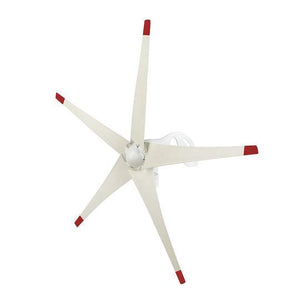
Exploring wind turbines can also contribute significantly to your energy needs. This dual energy approach helps to ensure a more stable and reliable power supply, especially in windy locations.
The Hidden Beauty of Off-Grid Living
Choosing to live off the grid can redefine your relationship with nature, making you more attuned to its rhythms. While implementing permaculture principles can seem daunting at first, the long-term benefits of a sustainable lifestyle far outweigh the initial challenges. Engage with nature, create a sustainable living space, and enjoy the simplicity and beauty that off-grid living offers. Dive into this rewarding journey, and witness how your efforts will lead to a harmonious balance between humanity and the planet.