










 (800) 975-2413









Overview
Effective waste management is crucial for an off-grid lifestyle. This guide covers sustainable strategies, including composting toilets, recycling, and energy solutions like solar kits. Understanding waste types—organic, recyclable, and non-recyclable—helps in implementing eco-friendly practices. Engage with your community for shared resources and advocate for sustainable living to enhance your off-grid experience.
When embracing an off-grid lifestyle, one of the crucial considerations is how to manage waste effectively. Whether you’re living in a tiny house, a mobile home, or a secluded cabin, having practical and eco-friendly waste management solutions can greatly enhance your experience. This guide will explore various waste management strategies, along with sustainable technologies such as solar kits, composting toilets, and more, perfect for your tiny home setup.
Understanding Waste Types in an Off Grid Lifestyle
Living off-grid presents unique challenges when it comes to waste management. Essentially, waste can be categorized into organic, recyclable, and non-recyclable waste. Each type requires different solutions for effective handling. Understanding these categories is the first step in creating an efficient waste management system.
Organic Waste
Organic waste mainly includes food scraps and yard refuse. In an off-grid scenario, organic waste can be converted into compost, thus providing a sustainable solution that benefits your garden and reduces waste disposal issues.
Recyclable Waste
Recyclable materials can include plastics, metals, and paper products. Setting up a designated area for recycling is vital, even in remote living situations. By committing to recycling, you can minimize landfill contributions and promote a cleaner environment.
Non-Recyclable Waste
Non-recyclable waste consists of items that cannot be reused or composted. These might include certain types of packaging or contaminated materials. Developing a plan for the disposal of these items is essential to prevent environmental damage.
Sustainable Waste Management Solutions
Once you understand the types of waste, the next step is implementing effective waste management solutions. Here are some eco-friendly options that fit well into an off-grid lifestyle:
Composting Toilets
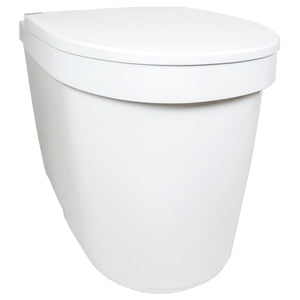
One of the most integral components of waste management in any off-grid setting is the use of composting toilets. These toilets transform human waste into compost, which can later be used to enrich soil. Most composting toilets do not require water, making them an excellent choice for tiny houses with limited plumbing facilities. By choosing a composting toilet, you can significantly reduce your water usage and environmental footprint.
Composting Strategies
After implementing composting toilets, consider additional composting strategies for organic waste. Here are some tips:
- Maintain a balance of green materials (nitrogen-rich) and brown materials (carbon-rich) in your compost.
- Turn your compost regularly to aerate it and speed up the decomposition process.
- Monitor moisture levels—cooked food scraps are often moist, while leaves or straw offer dryness.
Recycling and Upcycling
Recycling is a powerful way to manage waste sustainably. Establish an organized recycling zone in your tiny house to separate materials effectively. In addition, exploring upcycling opportunities can give your non-recyclable materials a new life. For instance, glass jars can serve as containers, while wooden pallets can be repurposed for furniture.
Energy Solutions to Complement Waste Management
In an off-grid lifestyle, energy management is essential alongside waste management. Various technologies can help you streamline energy consumption and reduce reliance on conventional power sources:
Solar Kits and Portable Solar Panels
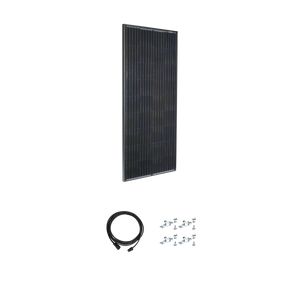
Implementing solar kits and portable solar panels can provide you with a renewable energy source. This alternative energy reduces your carbon footprint and can power appliances such as water heaters and gas heaters effectively.
Wind Turbines
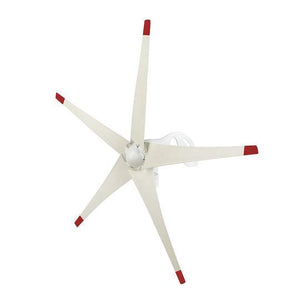
Another sustainable energy solution is to utilize wind turbines. These can complement solar energy and provide a consistent power supply, especially in windy locations. Together, solar and wind energy systems can help power your home while efficiently managing waste.
Batteries and Inverter Chargers
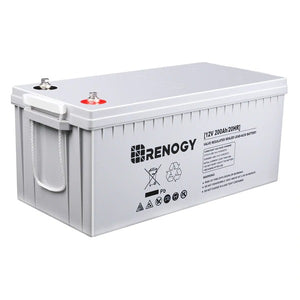
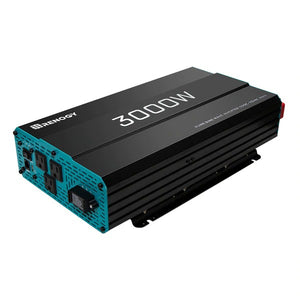
Integrating batteries and inverter chargers into your energy system allows you to store excess energy for use during low-light or low-wind periods. This ensures you remain powered through varying weather conditions while reducing waste by using renewable sources.
Portable Energy Solutions
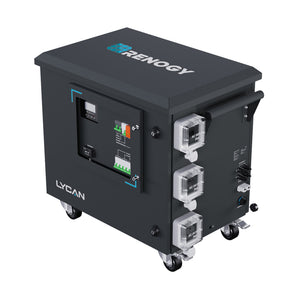
For those seeking flexibility, portable generators and solar generators provide convenient energy solutions for off-grid living. They are excellent for camping trips or backyard events and can always be on standby for emergencies. Here are some uses for these portable options:
- Backup power for appliances during renovation projects.
- Easy setup for off-grid gatherings or workshops.
- Serve as temporary energy solutions while waiting for a more permanent setup.
Heating Solutions
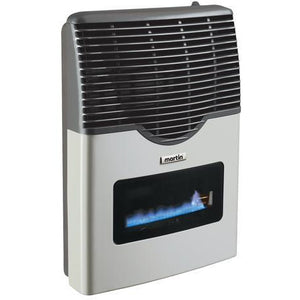
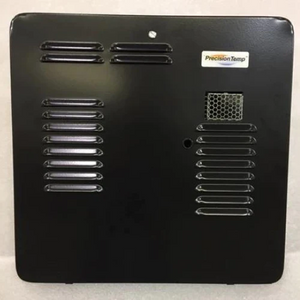
In cooler climates, effective heating is critical, which is where gas heaters come into play. They provide quick and efficient heating for tiny houses, ensuring comfort during harsh winters. By using energy-efficient models, you can contribute to your overall sustainability efforts.
Your Garden as a Waste Management Solution
Your garden can play an invaluable role in your waste management plan. By actively composting organic waste, you create high-quality soil that can contribute to crop growth. Follow these practices for a successful garden:
Native Plants and Permaculture
Utilizing native plants can minimize maintenance and water usage. Additionally, applying permaculture principles can create a sustainable ecosystem that enhances soil health and biodiversity. This biodiversity not only makes your garden beautiful but can also integrate waste management processes—like composting—and produce food without external inputs.
Water Management
Incorporating efficient water management techniques can further support your off-grid lifestyle. Rainwater harvesting systems help collect and store water for irrigation, minimizing your environmental footprint and using water wisely.
Engaging with the Community for Waste Solutions
Living off-grid does not mean isolation. Connecting with the local community can open doors to shared resources and collective waste management strategies. Network with nearby residents to:
- Share recycling efforts and facilities.
- Access local composting programs.
- Swap waste management tips and resources.
The Power of Education and Advocacy
Understanding waste management principles in an eco-friendly context is essential for an off-grid lifestyle. Take the initiative to educate yourself about sustainable practices, emerging technologies, and waste solutions. This knowledge promotes environmental stewardship and empowers not only you but also those in your community. Advocate for sustainable living practices by sharing what you learn, sparking discussions, and encouraging others to embrace eco-friendly waste management solutions.
Embracing the Off-Grid Lifestyle with Confidence
As you build your off-grid life, remember that effective waste management is not just about getting rid of waste but transforming it into an opportunity. With the right tools and strategies, you can adopt sustainable practices in your daily routine. By employing systems like composting toilets, exploring solar kits, and connecting with a like-minded community, you will not only enhance your living environment but also contribute positively to the planet. With a heart for sustainability and an eye for innovation, the off-grid lifestyle can be rewarding, efficient, and deeply fulfilling.