










 (800) 975-2413











Overview
Off grid living is a sustainable lifestyle that requires careful planning and preparation. Key factors include understanding personal needs, site evaluation, and setting up essential systems like energy sources, water management, and waste management. Effective strategies involve budgeting, acquiring necessary skills, and building a supportive community. With the right approach, you can successfully transition to an off grid life and thrive in harmony with nature.
Off grid living is more than just a trend; it's a lifestyle choice that promotes sustainability, self-sufficiency, and a deeper connection with nature. However, the dream of living off the land requires thorough planning and preparation. In this guide, we will explore the importance of careful planning for off grid living, the necessary components of your setup, and some essential tips to help you succeed.
The Necessity of Planning for Off Grid Living
Transitioning to off grid living is not just about how you will source your energy or manage your waste. It encompasses a wide range of factors, including environmental challenges, resource management, personal needs, and legal considerations. Without proper planning, you may encounter obstacles that could make your off grid experience less enjoyable. Here are some reasons why planning is essential:
Understanding Your Needs
Before embarking on your off grid journey, it's crucial to identify your specific needs. Consider the following:
- How many people will be living off grid?
- What daily activities will be necessary (cooking, bathing, working)?
- What are your energy requirements and sources?
Understanding these factors will help you effectively plan your energy and resource consumption, as well as your habitation setup.
Site Evaluation
Your location can significantly impact your off grid living situation. Evaluate the site for:
- Sunlight exposure for solar energy
- Wind conditions if you plan to use wind turbines
- Water sources for hygiene and drinking
Perform thorough soil tests if you plan to implement composting toilets, as well as to ensure successful gardening for self-sustenance.
Key Components of Off Grid Living
Successful off grid living requires proper setup of essential components. Here are some of the critical systems to consider in your planning:
Energy Sources
Your chosen energy sources will likely dictate many of your other planning decisions. Common energy solutions for off grid living include:
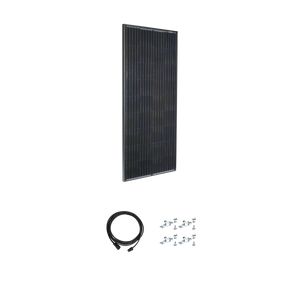
- Solar Kits: Utilizing solar energy is one of the most popular methods for powering off grid homes. Consider portable solar kits if you want flexibility in deployment.
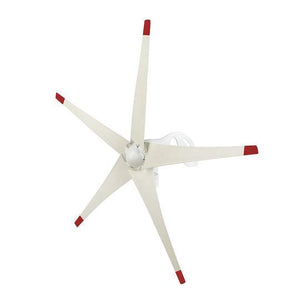
- Wind Turbines: If your site has favorable wind conditions, wind turbines can complement your solar setup, offering a reliable energy source.
- Portable Solar Panels: Great for charging small devices or providing power for temporary setups, these can be a versatile addition to your energy mix.
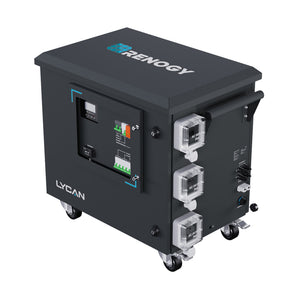
- Solar Generators: For those who prefer a pre-packaged solution, solar generators offer an all-in-one system to reduce setup complexity.
- Inverter Chargers: Once you've generated energy, inverter chargers will help you convert it for home usage.
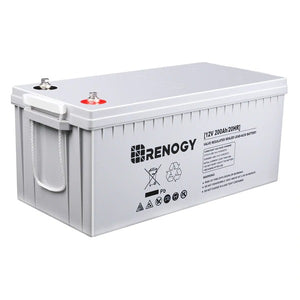
- Batteries: Sufficient battery storage is crucial for nighttime use and maintaining your energy independence.
- Portable Generators: For backup power, especially during low-sun periods, portable generators can serve as an effective safety net.
Water Management
Water is essential for off grid living. You'll need a dependable source and method to manage your water supply. Consider implementing:
- Rainwater Harvesting: Collecting rainwater can provide a substantial water source, especially in regions with consistent precipitation.
- Water Filtration Systems: Ensure your water is safe for consumption and use by incorporating filters or purification systems.
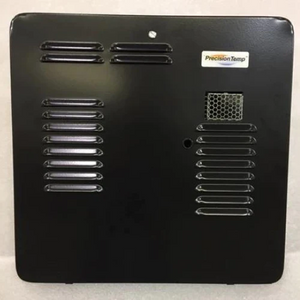
- Water Heaters: Whether through solar or gas systems, having a reliable way to heat water is crucial for both hygiene and comfort.
Waste Management
Managing waste without modern sanitation services can be daunting. Adopting systems like:
- Composting Toilets: These eco-friendly systems allow for efficient waste management by turning human waste into compost.
- Greywater Systems: Recycle your wastewater from sinks and showers for use in irrigation or toilets.
Heating and Cooling
Climate control can significantly affect comfort during off grid living. Consider the following heating and cooling solutions:
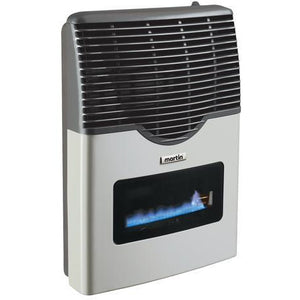
- Gas Heaters: These can be efficient and cost-effective options for providing heat during colder months.
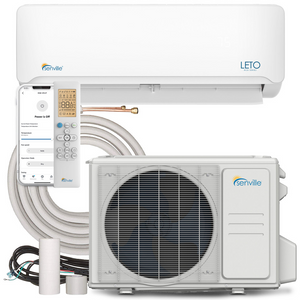
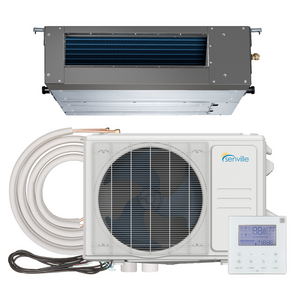
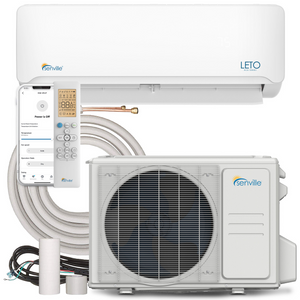
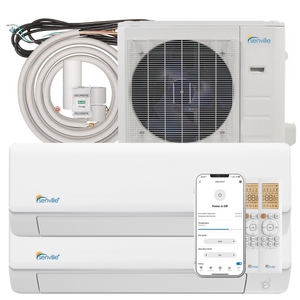
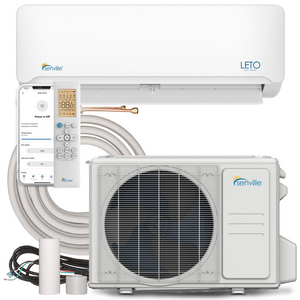
- Mini Splits: Ductless mini split systems offer heating and cooling abilities, making them a flexible choice for temperature control.
Effective Preparation Strategies
Preparing for off grid living requires thoughtful strategies to ensure success. Here are some essential tips:
Budgeting and Cost Estimation
Living off grid often requires an upfront investment in equipment and infrastructure. Create a budget that includes:
- Purchases for solar kits, batteries, and inverter chargers.
- Costs associated with plumbing, composting toilets, and waste disposal systems.
- Heating and cooling systems, including gas heaters and mini splits.
Establishing clear financial goals will keep you accountable during your preparation process.
Gathering Knowledge and Skills
Off grid living can be significantly easier if you equip yourself with the right knowledge and skills. Consider:
- Attending workshops on renewable energy and water management.
- Practicing DIY techniques for repairs and maintenance.
- Researching local regulations regarding off grid living and building permits.
Building a Community
Engaging with like-minded individuals can foster support and enhance your off grid experience. Consider the following:
- Join online forums or local groups focused on sustainable living.
- Share resources and knowledge with fellow off gridders.
- Participate in community events to learn from experienced individuals.
The Road to Self-Sufficiency
Planning and preparation are cornerstones of a successful off grid living experience. With a comprehensive approach, you'll create an environment where you can thrive sustainably. As you embark on this journey, keep in mind that flexibility, resourcefulness, and community support will be vital to your success.
Creating your off grid oasis is not an overnight process, but with the right planning and preparations, you'll be well-equipped to face any challenges ahead. Take the first steps towards living in harmony with nature, and you may just find freedom in the simplicity of an off grid lifestyle. The choices you make today will pave the way for a sustainable future in the wild, instilling resilience in your way of living. Welcome the adventure ahead!