










 (800) 975-2413







Living in an off-grid home is an adventurous and eco-friendly lifestyle choice, but it does come with its unique challenges, especially in waste management. With the right waste management solutions, you can efficiently handle waste while preserving the beauty of your surroundings and living sustainably. In this blog, we'll explore innovative waste management strategies tailored for off-grid homes, ensuring that you lead a green lifestyle without compromising convenience.
The Importance of Waste Management in Off-Grid Living
When choosing to live off the grid, waste management plays a crucial role in ensuring a sustainable environment. Without the standard municipal services, homeowners must find a solution that suits their needs while adhering to eco-friendly practices. Poor waste management can lead to pollution, health hazards, and environmental degradation, which are especially concerning in remote locations.
Effective Waste Management Strategies for Off-Grid Homes
Off-grid living requires resourcefulness and preparation. Let's dive into some of the best waste management solutions for those living off the land.
1. Composting Toilets
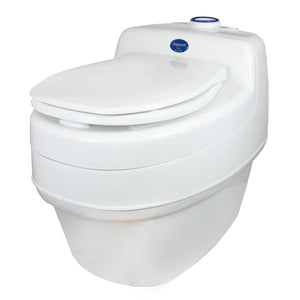
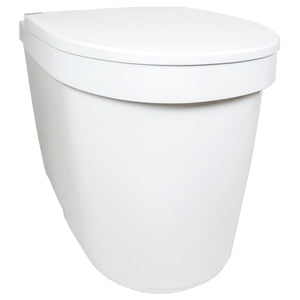
One of the most effective and environmentally friendly solutions for waste disposal in an off-grid setting is the composting toilet. These toilets break down human waste into compost through natural processes. Composting toilets are equipped with ventilation systems and require minimal water, making them ideal for solar-powered homes. They not only reduce water usage but also create nutrient-rich compost that can be used in non-food gardening.
2. Organic Waste Composting
In addition to composting toilets, managing your organic waste effectively is crucial. Establish a systematic approach to composting kitchen scraps and yard waste. Here are some tips to consider:
- Develop a compost bin using recycled materials
- Utilize worms for vermicomposting
- Regularly aerate the compost for optimal decomposition
- Be mindful of the carbon-to-nitrogen ratio for balanced compost
This not only reduces landfill contributions but also supports healthy soil in your garden.
3. Efficient Waste Collection and Storage
For non-organic waste, such as plastics and metals, it's critical to have a proper collection and storage system. You can create designated bins for recyclables and non-recyclables using sustainable materials. Consider the following:
- Use sturdy, weather-resistant containers to prevent leaks or odors.
- Implement a scheduled minimal waste regime to transport waste to recycling facilities.
- Educate household members about waste sorting techniques.
Energy Solutions That Support Off-Grid Waste Management
To power your waste management systems in an off-grid home, renewable energy solutions are key. By integrating solar kits, batteries, and other clean energy sources, you can maintain efficient waste management without relying on conventional energy sources.
Solar Kits and Portable Solar Panels
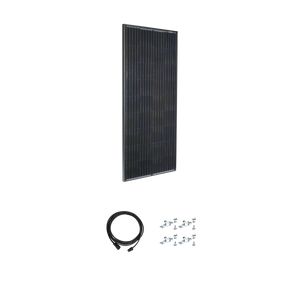
Implementing solar kits and portable solar panels can provide necessary power for composting toilets’ systems and waste processing devices. These systems harness the sun's energy to operate fans, lights, or even heating elements that facilitate the composting process.
Batteries and Inverter Chargers
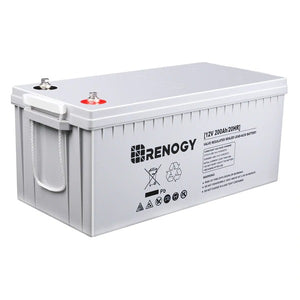
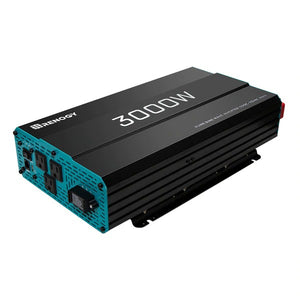
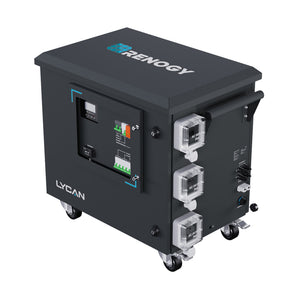
Integrating batteries and inverter chargers allows you to store excess energy generated by solar kits and portable solar panels, ensuring consistent power for waste management. This is especially important for controlling temperature and ventilation in composting systems, optimizing the breakdown of organic materials.
Heating Solutions for Waste Management
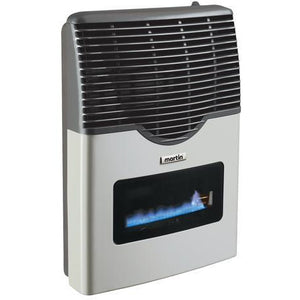
During colder months, managing composting toilets can become a challenge. This is where efficient heating solutions like gas heaters come into play. A well-placed gas heater can help maintain a suitable temperature for composting, fostering an ideal environment for decomposition even in chillier climates.
Water Heaters and Their Role
If your composting or waste processing system requires water, having a water heater can ensure you have access to warm water easily. Solar water heaters or small, eco-friendly electric heaters can be great solutions in off-grid homes.
Power Generation for Waste Management Tools
The addition of portable generators and wind turbines as supplementary energy sources can prove invaluable for sustaining your waste management operations. During cloudy days when solar generation may be insufficient, having an alternative power source ensures that your waste management setup continues to function flawlessly.
Portable Generators
Portable generators provide temporary power for tools needed in waste processing and collection. They can operate small appliances that may assist in waste management and are perfect for intermittent energy requirements during off-the-grid living.
Wind Turbines
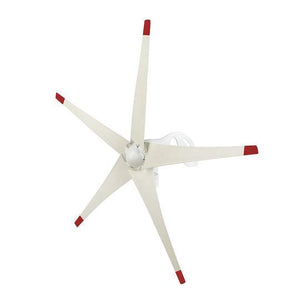
Wind turbines are another excellent complementary power solution for off-grid homes. By harnessing wind energy, these wind turbines provide additional power for essential waste management systems, ensuring efficient operations no matter the conditions.
Creating a Waste Management Plan
To make your off-grid living as smooth as possible, develop a comprehensive waste management plan tailored to your household's specific needs.
Assessment
Start by assessing the amount and type of waste your household generates. Understanding your waste source is crucial for implementing effective solutions.
Goals and Strategies
Set waste reduction goals and create specific strategies to achieve them. Whether that’s minimizing single-use plastics, increasing composting efforts, or integrating a more efficient waste collection system, have a clear plan in place.
Implementation and Monitoring
Once your plan is set, monitor its effectiveness over time. Adjust your strategies to enhance efficiency and sustainability continuously. Creating a waste management calendar may help in tracking waste disposal routines.
Building Community Connections
Living off the grid doesn’t mean isolating yourself. Engage with other off-grid enthusiasts and builders in your community to share best practices for waste management. Networking can provide invaluable insights into what has worked in similar situations, leading to better waste management practices.
Hosting Workshops
Invite local residents to share their expertise, whether it’s about composting techniques, solar energy systems, or other waste-related topics. Engaging in community discussions can foster a collaborative spirit that enhances communal management.
Support Local Recycling Efforts
Staying informed about local recycling and waste disposal initiatives helps you support and enable proper waste management solutions within your region. Participate in community clean-up days or local recycling drives to emphasize the importance of waste management in an off-grid community.
Innovations in Waste Management Technology
Technology continues to evolve, especially concerning waste management solutions for off-grid homeowners. Stay updated on new tools and approaches that may be beneficial in your lifestyle.
Smart Toilets
Emerging technologies, such as smart toilets equipped with sensors and analytics, are transforming traditional waste systems. They help monitor waste levels, automate processes, and provide insights into consumption habits.
Advanced Compositing Solutions
Latest innovations in composting systems have given rise to advanced compost tumblers and drum composters, which speed up the composting process and minimize space usage. These are potential investments to consider for enhancing your waste management abilities.
Finding Your Off-Grid Balance
Efficient waste management solutions are integral to successful off-grid living. By embracing composting toilets, effective organic waste management, and sustainable energy sources like solar kits, batteries, gas heaters, portable generators, and wind turbines, you pave the way for a harmonious balance with nature. Remember that customization is vital—tailor your waste management practices to your own needs and environment so you can embrace a truly sustainable lifestyle. By prioritizing waste solutions, you contribute positively to your surroundings while enjoying the perks of off-grid living!