










 (800) 975-2413













Overview
Living off-grid offers freedom but demands rigorous fire safety and emergency preparedness. Key strategies include understanding fire hazards, creating a comprehensive fire safety plan, performing routine maintenance, storing flammable materials safely, and investing in renewable energy solutions like solar and wind power. Equip your home with essential emergency supplies, establish community networks for shared resources, and stay informed about local fire regulations. Regular drills and training can enhance your readiness for emergencies. Prioritize safety to enjoy the benefits of off-grid living.
As the allure of off-grid living grows, so does the need for thorough fire safety and emergency preparedness. Residing in secluded areas presents unique challenges, especially regarding fire hazards and natural disasters. With the right knowledge and tools, you can ensure safety while enjoying the benefits of off-grid life. In this guide, we will explore critical fire safety tips and emergency preparedness strategies specifically tailored for off-grid living, incorporating sustainable energy solutions such as solar kits and wind turbines.
Understanding Fire Hazards in Off-Grid Areas
Living off-grid often necessitates the use of various energy sources, such as gas heaters and portable generators, which can present fire hazards if not managed correctly. Additionally, the natural environment may expose residents to wildfires and other risks. Understanding these hazards is the first step in preparing for emergencies.
Common Fire Hazards
- Improper storage of flammable materials
- Faulty electrical systems, including inverter chargers
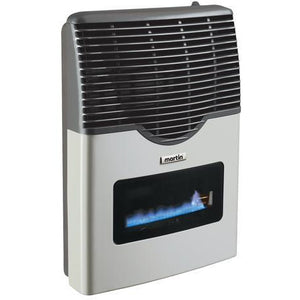
- Neglecting maintenance on gas heaters
- Use of portable generators near combustible materials
- Unattended outdoor fires
Being aware of these common hazards allows you to take proactive measures to prevent fire-related emergencies. Regular inspections and safe practices are crucial in keeping you and your home safe.
Creating a Fire Safety Plan
A comprehensive fire safety plan is essential for anyone, especially for those living off-grid. Your plan should cover prevention, detection, and response strategies. Here’s how to create an effective fire safety plan:
1. Assess Potential Risks
Identify potential fire hazards around your property. This includes looking for dry vegetation, old electrical systems, and improperly stored flammable materials. Understanding your environment is the foundation of effective fire prevention.
2. Use Reliable Energy Solutions
The right energy systems can significantly reduce the risk of fire. For instance, using solar kits and wind turbines for energy can mitigate some fire risks associated with gas and traditional electrical systems. Ensure all installations are done correctly, and choose reputable equipment.
3. Establish a Fire Escape Route
Have a clear, marked escape route in case of an emergency. Ensure your family members are familiar with this route and conduct practice drills regularly. Clear any blockages along the route to facilitate a quick escape.
Fire Prevention Techniques
Routine Maintenance
Regular maintenance is key in preventing fires. This involves:
- Checking gas heaters for leaks or damages
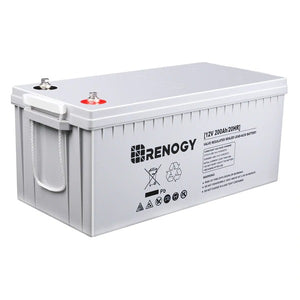
- Inspecting your solar generators and batteries for any signs of wear
- Ensuring your inverter chargers are functioning properly
- Cleaning your home to reduce clutter that may catch fire
Safe Storage Practices
Store flammable liquids and materials safely away from heat sources. Invest in fire-resistant cabinets and ensure that firewood and propane tanks are stored in well-ventilated areas, away from the main living space.
Choose Safe Cooking Methods
If you're cooking outdoors, opt for safe and contained cooking solutions. Avoid using open flames in dry conditions, and always keep a fire extinguisher nearby as a precaution. Consider using a portable solar panel to power electric cookers, which reduces the risks associated with gas flames.
Emergency Preparedness Essentials
To prepare adequately for emergencies, equip your off-grid home with survival essentials. Here’s a list of must-have items:
1. Fire Extinguishers
Install fire extinguishers in key areas of your home, particularly in the kitchen and near any heat sources. Ensure everyone is trained on how to use them effectively.
2. First Aid Supplies
Always have a well-stocked first aid kit, readily accessible. Familiarize yourself with basic first aid practices to assist family members in emergencies.
3. Emergency Communication
A reliable communication system is vital during emergencies. Whether it's a satellite phone or a two-way radio, having an alternative to cell service is essential in off-grid living.
4. Backup Power Solutions
Investing in portable generators or solar generators can ensure you have power during an emergency. Backup power can help keep critical equipment operational, including your communications and water heaters.
Developing a Community Network
In off-grid living, community can be a lifeline during emergencies. Establish a network with your neighbors to share resources, information, and support.
1. Share Knowledge and Resources
Participate in local community meetings and engage with fellow off-grid residents. By sharing knowledge about fire safety and resource management, you can collectively enhance the safety of the area.
2. Volunteer for Local Emergency Services
Consider volunteering or joining local fire response teams. This not only familiarizes you with emergency protocols but also strengthens community bonds.
Regular Training and Drills
Conduct regular fire drills and emergency response training for your household. This ensures everyone knows their roles and can act quickly in case of an emergency.
Practice Makes Perfect
Engaging in regular practice drills can enhance preparedness. Simulate fire scenarios to ensure your plan works in real-life situations. Including children in these drills can also promote awareness and precautionary measures.
Utilizing Renewable Energy for Safety and Sustainability
As you embark on your off-grid journey, integrating sustainable practices not only ensures efficiency but also increases safety. Transitioning to renewable energy can reduce fire hazards associated with traditional energy sources.
Solar Energy Solutions
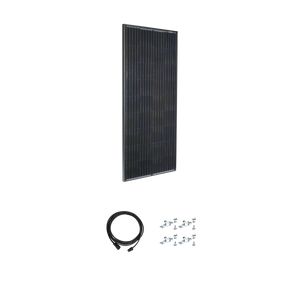
Implementing solar kits, such as portable solar panels, can provide reliable energy without the risks of gas heating and traditional power systems. They promote a safer living environment, thus enhancing fire safety.
Wind Power Considerations
If feasible, consider investing in wind turbines for additional energy generation. This reduces dependence on potentially hazardous fuels while providing a sustainable power source.
Water Safety and Fire Prevention
Access to water is crucial in emergency situations. Having efficient water heaters powered by renewable energy such as solar or wind eliminates the risk of gas-related fires while ensuring you have enough clean water for extinguishing fires.
Install Fire Sprinklers
If feasible, consider installing a fire sprinkler system that is connected to your water supply. This can automatically douse any small flames before they escalate, providing an added layer of safety.
Stay Informed on Fire Regulations
Understanding and complying with local fire regulations is imperative when living off-grid. Laws can vary significantly, and awareness can greatly reduce your risk of fire.
Learn About Local Fire Restrictions
Research local fire codes and restrictions, especially concerning open flames and outdoor burning. Your local fire department can be an invaluable resource for information and guidance.
Shared Resources: The Key to Resilience
Being responsible for your own property doesn’t mean you have to go at it alone. Collaborate with neighbors on fire prevention strategies, equipment sharing, and emergency response planning. A strong community can significantly enhance overall safety.
Resource Sharing Options
- Pool resources for purchasing shared firefighting equipment
- Exchange knowledge on sustainable practices and safety tips
- Arrange regular community meetings to discuss fire safety
Involving your community fosters a sense of unity and drastically increases your resilience against fire hazards.
Your Safety is in Your Hands
Off-grid living can be enriching, offering freedom and sustainability. However, it also requires a significant commitment to fire safety and emergency preparedness. By implementing effective strategies, utilizing renewable energy, and fostering a community spirit, you can safeguard your home from fire hazards and ensure readiness for any emergency. Take action today; your safety depends on it!