










 (800) 975-2413










Overview
Living off the grid offers a simpler, more self-sufficient lifestyle away from urban chaos, but it comes with challenges like transportation and energy independence. Key solutions include using 4WD vehicles for rough terrain, investing in solar and wind energy systems, managing water and waste sustainably, and finding efficient heating and cooling options. Staying connected and enjoying outdoor activities can enhance your off-grid experience. Embrace the journey with the right tools and planning for a rewarding lifestyle.
Living off the beaten path has become a growing trend for many seeking a simpler way of life, away from the hustle and bustle of urban environments. This lifestyle not only offers serenity but also presents unique challenges, particularly regarding transportation and access. In this guide, we’ll explore these challenges and the solutions that can enhance your off-grid living experience, including the role of solar kits, composting toilets, and more.
Understanding Off-Grid Living
Off-grid living typically refers to a lifestyle where individuals or families aim to be independent from modern utilities. This independence includes reliance on renewable energy sources such as solar panels, wind turbines, and batteries. The allure of this lifestyle often comes from the appeal of a self-sufficient existence where you’re less dependent on traditional power grids and public services.
The Importance of Transportation in Remote Living
Effective transportation solutions are essential for off-grid living. Whether you’re hauling supplies, commuting to work, or simply exploring nearby wilderness, understanding your transport options is paramount. Let’s dive into some critical factors to consider.
Accessibility Challenges
Living in remote areas often means dealing with rough terrain and limited road access. It's important to select a vehicle that is capable of handling various environments. Here are some key points to keep in mind:
- Off-Road Capabilities: A 4WD vehicle can be essential for navigating unpaved roads and tricky landscapes.
- Fuel Efficiency: Consider a vehicle that consumes less fuel, especially if it will be your primary mode of transport.
- Maintenance: A reliable vehicle needs less frequent repairs, which is especially important when accessing remote locations.
Storage Solutions for Transportation
When living off the beaten path, the challenge of storage manifests in terms of both transportation and space. Think carefully about how you'll securely transport necessary supplies:
- Portable Solar Panels: These can be easily transported and set up for energy needs on the go.
- Foldable Gear: Compact camping gear and backpacks can make it easier to transport supplies without excessive bulk.
Energy Independence: Essential Tools for Remote Living
To truly enjoy your off-grid lifestyle, energy independence is crucial. With limited access to traditional power sources, investing in renewable energy solutions can enhance convenience and sustainability. Let’s discuss some essential tools.
Harnessing the Power of the Sun
Solar energy is one of the most accessible and effective forms of renewable energy for off-grid living. Here are some of the most valuable components:
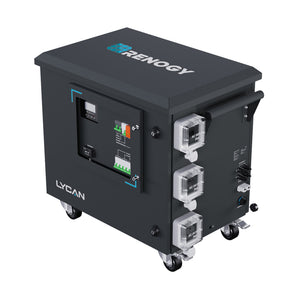
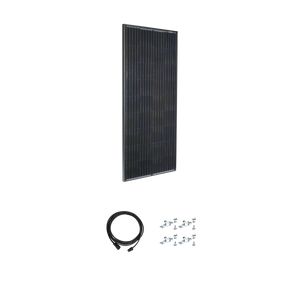
- Solar Kits: These kits typically include solar panels and all necessary accessories for renewable energy generation.
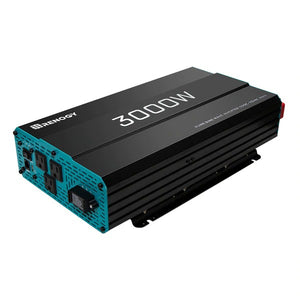
- Inverter Chargers: They convert the solar energy generated into usable power for your devices.
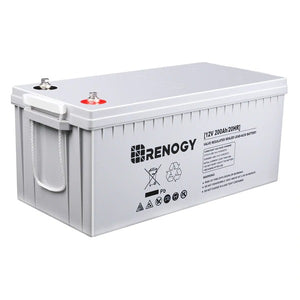
- Batteries: They store energy for times when the sun isn’t shining, ensuring a steady power supply.
- Portable Solar Generators: Great for quick energy access in multiple locations.
- Portable Solar Kits: These are compact and perfect for mobile setups, especially for travel.
Wind Energy: An Alternative Energy Source
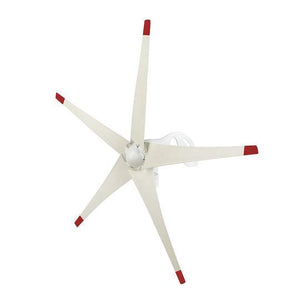
In addition to solar power, wind turbines can provide significant energy output for off-grid living. If you’re located in a windy area, consider these advantages:
- Constant Energy Supply: Wind can produce energy at night and during cloudy days when solar panels may be inefficient.
- Combine Energy Sources: Pairing wind turbines with solar panels can ensure a more reliable energy supply.
Sustainable Living Solutions
Living off the grid often requires you to substitute traditional utilities with self-sufficient solutions that are eco-friendly. Here are some important features to adopt:
Water Management
Access to reliable water sources can be a challenge when living remotely. Consider investing in:
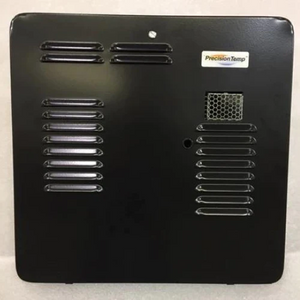
- Water Heaters: Efficient water heating solutions are necessary for hygiene and comfort, especially when it comes to showering and doing dishes.
- Rainwater Collection Systems: Capturing rainwater can help offset your reliance on more traditional water sources.
- Filtration Systems: Ensure that your water supply is clean and safe for consumption.
Waste Management
Effective waste management is a crucial aspect of off-grid living. Composting toilets offer an eco-friendly alternative to traditional sewage systems:
- Composting Toilets: These systems allow you to convert human waste into compost, reducing your environmental footprint.
- Recycling and Upcycling: Adopt practices that minimize waste, promoting sustainability and conservation.
Heating and Cooling Solutions
Proper heating and cooling are vital for comfort in any living situation. There are several eco-friendly options to consider:
Warmth at a Minimal Cost
In cooler climates, heating becomes a priority:
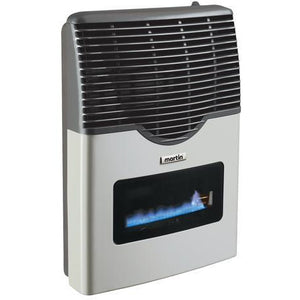
- Gas Heaters: Efficient options available that use propane or natural gas.
- Wood Stoves: A classic and sustainable choice for heating your home.
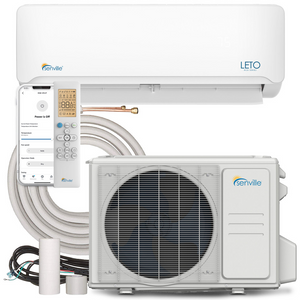
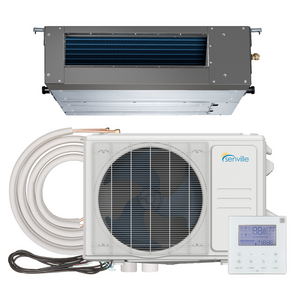
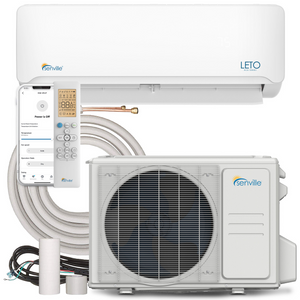
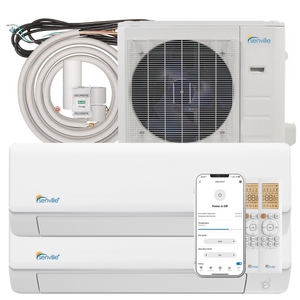
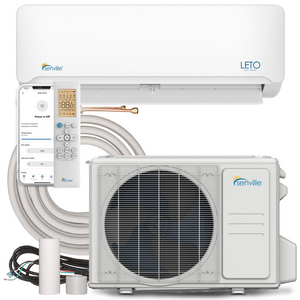
- Mini Splits: These provide both heating and cooling without extensive ductwork, adaptable for various spaces.
Staying Cool Naturally
For those hotter months, alternative cooling methods can provide relief:
- Portable Fans: These can help circulate air and provide comfort without using huge amounts of energy.
- Natural Ventilation: Design your space to maximize airflow with strategic window placements.
Staying Connected: Communication and Entertainment
While off-grid living often seeks to distance you from the modern world, staying connected with family and friends is important:
- Mobile Hotspots: These allow you to use your smartphone or tablet for internet access when needed.
- Satellite Communication: Consider satellite phones or systems for remote communication if traditional cell services aren't reliable.
Creative Recreation
Just because you live away from the urban environment doesn't mean you can't find joy and entertainment. Explore outdoor activities like:
- Hiking and Camping
- Gardening and Growing Your Own Food
- Home Crafts and DIY Projects
Your Journey Awaits!
Living off the beaten path brings rewards and challenges. By investing in essential tools like solar kits, composting toilets, and effective heating solutions, you can fully embrace this enriching lifestyle. Your transport needs may vary, but with the right vehicle and planning, you can explore your new environment with ease. As you embark upon this incredible journey, take time to adjust and remember that the adventure of off-grid living is what makes it truly special!