










 (800) 975-2413










Overview
Building an off-grid home offers sustainability and independence, but understanding local zoning laws, permits, and regulations is crucial. Research energy compliance, waste disposal options, and building codes to avoid legal issues. Engage with local authorities and connect with off-grid communities for support. Stay informed about changes in regulations and eco-friendly practices to successfully navigate your off-grid journey.
Building an off-grid home is an exciting opportunity to embrace sustainability and independence. With advancements in energy solutions such as solar kits, composting toilets, and gas heaters, many are eager to make the leap. However, before diving headfirst into this adventure, it’s vital to understand the legal and zoning issues that can affect your plans. This comprehensive guide will help you navigate these complexities so you can build your dream off-grid home with confidence.
Understanding Zoning Laws
Zoning laws dictate how land can be used in different areas. They influence everything from home size to the types of structures you can build. Understanding these laws is the first step in the journey to owning an off-grid home.
Types of Zoning
Zoning classifications often include residential, agricultural, commercial, and industrial. Here are some common types relevant to off-grid living:
- Residential Zoning: Usually allows for single-family homes but may have restrictions on structure types.
- Agricultural Zoning: Can permit small-scale farming and might be more lenient regarding alternative structures.
- Recreation Zoning: Often applies to areas intended for cabins or recreational vehicles.
Permits and Approvals
Before starting your off-grid home project, you may need to obtain various permits. These can include building permits, septic permits, and electrical permits necessary for the installation of solar generators, inverter chargers, and other systems essential for off-grid living.
It's crucial to check with your local planning department to determine what is required. Failing to secure the proper permits could lead to costly delays and potential legal issues down the line.
The Importance of Local Regulations
Local regulations often play a pivotal role in off-grid living, particularly in relation to energy systems, waste disposal, and water management.
Energy System Compliance
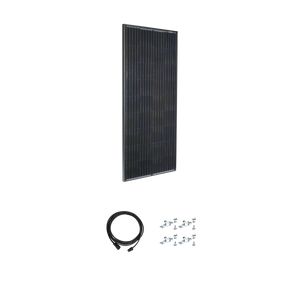
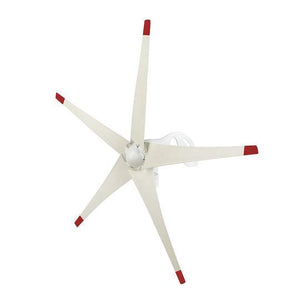
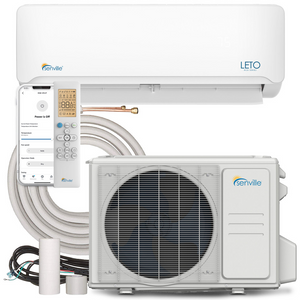
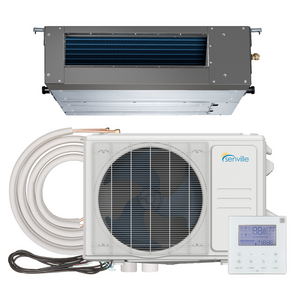
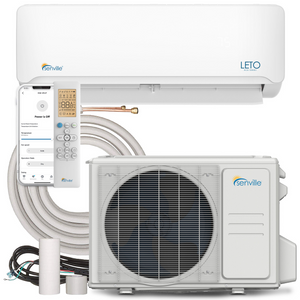
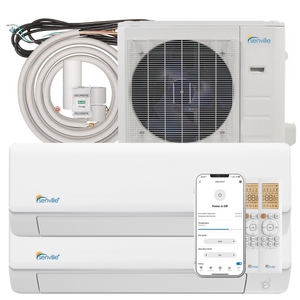
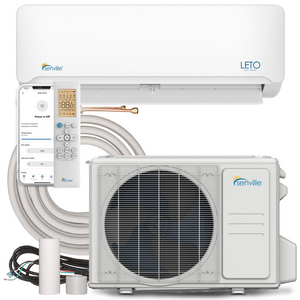
Your energy solutions, including solar panels, mini splits, and wind turbines, must comply with local codes. Some areas might require installation by a certified technician, while others may have restrictions on the use of specific technologies. It’s vital to get familiar with these regulations to avoid complications.
Water Management Guidelines
Water supply and management are crucial for sustainable living. Depending on your location, you might face strict regulations for:
- Rainwater Harvesting: Some municipalities have guidelines on how to collect and use rainwater.
- Drilling Wells: You may need a permit for drilling a water well on your property.
Adhering to these regulations will help you maintain a reliable water supply for your off-grid home.
Waste Disposal Regulations
Off-grid living often requires alternative waste disposal solutions like composting toilets. Understanding local regulations regarding waste management is critical. Some areas may have restrictions or specific requirements for compost toilets or septic systems.
Using Composting Toilets
Composting toilets are an excellent option for off-grid living, but they aren’t universally accepted. It’s essential to check with local regulations to ensure your chosen waste system complies with health and safety codes. Proficiency in the use and maintenance of composting toilets can significantly extend your off-grid living experience.
Building Codes and Alternatives
Building codes dictate the safety and structural requirements of homes. Off-grid homes often challenge traditional building methods, and it’s crucial to navigate these codes effectively.
Alternative Building Structures
Many off-grid enthusiasts opt for tiny homes, yurts, or shipping containers. Each of these structures may face different building code applications. Ensure you research which styles are permissible in your area to avoid any complications.
Connecting Utilities
Even in an off-grid home, understanding how to connect to essential utilities can be necessary. Consider how water heaters, batteries, gas heaters, and solar generators will work within your local regulations and your intended building structure.
Consider Environmental Impact
Adopting an off-grid lifestyle often means placing renewable resources at the forefront of your values. However, it’s equally essential to consider how your home and lifestyle choices might impact the environment.
Assessing Eco-Friendly Solutions
When designing your energy system, think about integrating a mix of renewable resources such as:
- Solar Panels: Great for harnessing sunlight.
- Wind Turbines: An excellent option if you're in a wind-rich area.
- Portable Solar Kits: Ideal for temporary or mobile use.
Balancing your energy needs with environmental responsibilities will create a harmonious off-grid lifestyle.
Financial Considerations and Resources
Building an off-grid home is an investment, and understanding the financial implications is vital. This includes not only the initial setup costs but also the ongoing maintenance costs and potential savings.
Funding Your Off-Grid Home Project
Depending on your financial situation, explore various funding options, including:
- Loans specifically for alternative housing projects
- Grants for renewable energy installations
- Personal finance options
Doing thorough research and possibly teaming up with a financial advisor can help you discover the most suitable funding methods for your off-grid home project.
Finding Community and Support
Building your own off-grid home can feel isolating, but you’re unlikely to be the only one pursuing this lifestyle. Finding a community of like-minded individuals can provide invaluable support and encouragement.
Joining Forums and Groups
Seek out local or online groups focused on off-grid lifestyles, which often provide resources such as:
- Workshops
- Social media groups
- Meetups with others in the off-grid community
Networking with others can often inspire creative solutions to common off-grid challenges, as well as keep you informed about local regulations that may affect your journey.
Connecting with Local Authorities
Building rapport with local authorities can streamline your process. Schedule a meeting with your planning department. Present your vision clearly, and ask about any common hurdles or advice for off-grid living in your area.
Building Positive Relationships
When engaging with local officials, remember to:
- Be courteous and respectful
- Show an understanding of local regulations
- Seek advice rather than demanding information
A positive relationship can lead to valuable insights and smoother communication throughout your off-grid project.
Stay Informed and Adaptable
The journey to creating an off-grid home is ever-evolving. Legal landscapes and techniques in sustainable living are constantly changing. Keeping abreast of updates can help you stay compliant and ahead of the game. Follow new developments in zoning laws, eco-friendly building materials, and innovative living solutions.
Embarking on Your Off-Grid Adventure
Navigating the legal and zoning landscape can initially feel daunting, but with thorough research and preparation, you can turn your dream of an off-grid home into reality. By taking the time to understand local regulations, engage with the community, and embrace innovative living solutions like portable generators and solar kits, you’ll be well on your way to a sustainable and fulfilling lifestyle. Embrace the adventure of off-grid living and enjoy the freedom that comes with it!