










 (800) 975-2413












Overview
Off-grid living promotes environmental sustainability by reducing carbon footprints and reliance on public utilities. This self-sufficient lifestyle utilizes renewable energy sources like solar and wind, minimizes resource consumption, and encourages eco-friendly practices such as composting and rainwater harvesting. Embracing off-grid living not only benefits the planet but also enhances personal well-being and fosters a deeper connection with nature.
Key Takeaways
- Off-grid living promotes environmental sustainability by reducing individual carbon footprints and reliance on public utilities.
- Utilizing renewable energy sources, such as solar power and wind energy, significantly decreases greenhouse gas emissions and electricity costs.
- Waste management practices, like composting, help reduce landfill waste and minimize environmental impact.
- Water conservation techniques, including rainwater harvesting, ensure sustainable water supply and reduce dependence on municipal sources.
- Eco-friendly heating solutions, such as energy-efficient mini splits and sustainable gas heaters, lower energy consumption and emissions.
- Engaging with local ecosystems through gardening and permaculture enhances biodiversity and supports wildlife habitats.
- Joining off-grid communities can provide support and resources for those transitioning to a sustainable lifestyle.
Off-grid living is more than just a lifestyle choice; it’s a revolutionary approach to reducing one’s individual carbon footprint while promoting environmental sustainability. As society increasingly shifts towards a more eco-conscious mindset, many people are discovering the myriad of environmental benefits that come with living off the grid. In this article, we will explore the advantages of off-grid living, discussing how it can lead to a healthier planet, sustainable energy sources, and overall enhanced well-being.
What is Off-Grid Living?
Off-grid living generally refers to the practice of residing in a self-sufficient manner, without reliance on public utilities. This lifestyle often incorporates the use of renewable energy sources such as solar panels, wind turbines, and batteries for energy storage. By embracing this way of life, individuals can eliminate dependence on fossil fuels, reduce environmental harm, and contribute to a sustainable future.
Environmental Awareness and Conservation
Choosing to live off the grid can significantly heighten one's awareness of environmental issues. Here are some key aspects of how this lifestyle fosters a sustainable mindset:
Reduced Resource Consumption
Living off the grid typically entails adopting practices that minimize resource consumption. By utilizing resources such as 180W folding solar panels and portable solar kits, individuals can generate their own electricity, minimizing dependence on coal and gas-powered energy plants. This not only conserves non-renewable resources but also reduces carbon emissions.
Waste Reduction and Management
Many off-grid dwellers practice composting to manage food waste effectively. Composting toilets are a popular option; they convert human waste into nutrient-rich compost, reducing the need for traditional plumbing and sewage systems, which can negatively impact the environment. Moreover, this practice decreases landfill waste, further aiding in environmental protection.
Utilizing Renewable Energy Sources
One of the most significant environmental benefits of off-grid living is the utilization of renewable energy sources. Here, we discuss some of the most prevalent options for energy generation:
Solar Power
Solar power installations, such as solar kits and portable solar panels, provide clean, renewable energy that contributes significantly to reducing greenhouse gas emissions. With the use of inverter chargers, energy generated by solar panels can be converted and stored in batteries for use whenever required. The efficient approach to solar energy not only eliminates reliance on fossil fuels but also drastically reduces electricity costs over time.
Wind Energy
Wind turbines are another viable option for off-grid energy generation. By harnessing the natural wind currents, these turbines generate electricity that can be utilized for home energy needs. Setting up a small wind turbine in an appropriate location can provide significant energy savings while further reducing one's carbon footprint.
Portable Generators
For those who require additional energy backup, portable generators offer a convenient solution. These generators can be used in conjunction with solar systems and help ensure a constant energy supply, even in remote areas. This versatility allows off-gridders to maintain a sustainable lifestyle while having a reliable energy source.
Heating Solutions that are Eco-Friendly
Heating a home can be one of the largest expenses and energy consumers. Fortunately, there are sustainable heating solutions that align well with off-grid living:
Gas Heaters
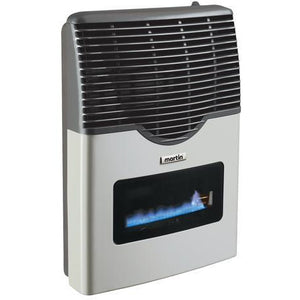
Although gas heaters use fossil fuels, they are generally more efficient than traditional electric heating systems. They produce less emissions and can be powered by local natural gas supplies. Sustainable gas heating is an interim solution for those transitioning toward full reliance on renewable energy.
Mini Splits
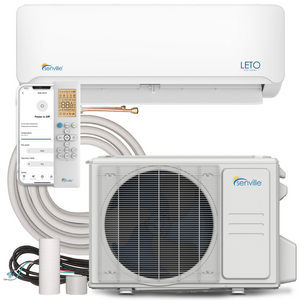
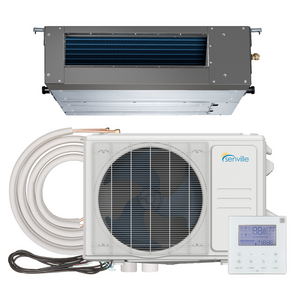
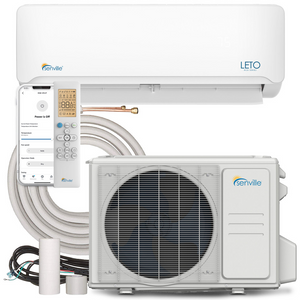
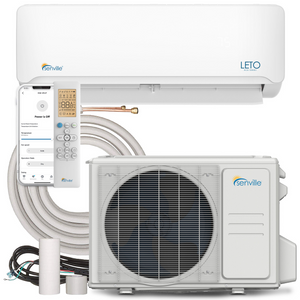
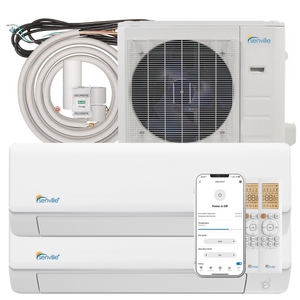
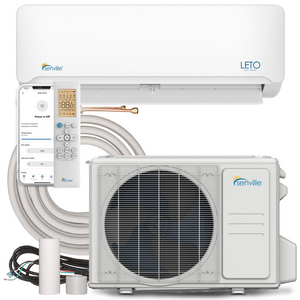
Another incredible option is the use of energy-efficient mini splits, which are known for their energy-saving capabilities. These systems can provide both heating and cooling without extensive power consumption, making them an ideal choice for off-grid living.
Water Solutions: The Key to Off-Grid Living
Water is a critical resource for any household, and off-grid living offers fantastic solutions for water supply and heating:
Rainwater Harvesting
Many off-grid homes make use of rainwater harvesting systems, which collect and store rainwater for household use. This not only reduces dependence on municipal water sources but also conserves an essential resource that can be limited in certain regions.
Eco-Friendly Water Heaters
When it comes to heating water, energy-efficient water heaters powered by solar energy provide a sustainable option. They typically use solar collectors to absorb sunlight and convert it into thermal energy for heating water. By integrating this into your off-grid system, you can enjoy warm water while maintaining an eco-friendly lifestyle.
The Overall Impact on Wildlife and Ecosystems
Living off the grid can have a positive ripple effect on local wildlife and ecosystems. By utilizing renewable energy and conserving resources, individuals contribute to protecting the natural habitats that sustain various species. Here are some ways this lifestyle impacts the environment positively:
Creating Green Spaces
Off-grid living often encourages people to maintain their surroundings sustainably. Gardening and permaculture practices not only yield organic produce but also enhance local biodiversity. Nestled within this green concept is the belief of planting native species that provide habitats for local fauna.
Climate Change Mitigation
By decreasing reliance on non-renewable energy and reducing waste, off-grid living contributes to mitigating climate change. Each individual who decides to live sustainably can have a cascading effect in their community, inspiring others to adopt eco-friendly practices, be it using solar generators or supporting local food systems.
Embracing the Off-Grid Lifestyle
Switching to an off-grid lifestyle may appear daunting, but the environmental benefits, coupled with personal satisfaction derived from self-sufficiency, will outweigh the challenges. Here are several steps to ease the transition:
- Research and Planning: Educate yourself on available renewable energy options and sustainable practices that fit your location.
- Start Small: If you cannot transition completely, start with small changes such as incorporating portable solar panels or using composting toilets.
- Connect with Communities: Join online forums or local off-grid communities to learn from others’ experiences and share valuable tips.
Your Path to a Greener Tomorrow
Off-grid living extends beyond sustainability; it encompasses a mindset focused on eco-awareness, resource management, and fostering harmony with nature. By transitioning to a lifestyle that incorporates renewable energy sources like wind turbines and 180W folding solar panels, employing eco-friendly systems like composting toilets, and reducing reliance on fossil fuels, you contribute to preserving our planet for generations to come. Each step taken toward self-sufficient living not only helps you achieve personal independence but also enhances your positive impact on the environment.
So as you contemplate the potential of off-grid living, remember that every small action contributes to a sustainable future. Are you ready to embark on your journey toward eco-conscious living?
Glossary
| Term | Meaning |
|---|---|
| Off-Grid Living | Residing independently without reliance on public utilities. |
| Renewable Energy | Energy sourced from natural resources that are replenished. |
| Solar Power | Energy generated from sunlight using solar panels. |
| Composting | A method of recycling organic waste into nutrient-rich soil. |
| Wind Energy | Electricity generated by wind turbines harnessing wind currents. |
| Rainwater Harvesting | Collecting and storing rainwater for household use. |
| Portable Generators | Mobile energy sources providing backup power when needed. |
| Mini Splits | Energy-efficient systems for heating and cooling spaces. |
| Eco-Friendly | Practices that are beneficial to the environment. |
| Carbon Footprint | The total greenhouse gas emissions caused by an individual. |
Linked Product

Dakota Lithium 180W Folding Solar Panel for Lithium Batteries & Solar Generators
The Dakota Lithium 180W Folding Solar Panel is designed for efficient energy collection, making it ideal for off-grid living and outdoor adventures. Its rugged, waterproof construction and lightweight design ensure durability in extreme conditions, while the ability to charge any 12V Dakota Lithium battery allows for versatile use with solar generators. This panel can be easily transported and set up, providing reliable power for various electronics when away from traditional power sources.
View Product