










 (800) 975-2413









Choosing to live off the grid is a brave and fulfilling lifestyle choice that many people are embracing today. For those considering this sustainable way of life, one of the critical aspects to focus on is your water supply. In this blog post, we will explore various water sources for off-grid living, with a particular emphasis on harvesting rainwater and additional options to ensure you have a sustainable water supply.
The Importance of Water in Off-Grid Living
Water is essential not only for drinking but also for cooking, cleaning, and hygiene. For off-grid enthusiasts, sourcing water sustainably is a necessity. Before diving deep into methods of water harvesting, let's consider the various water sources available to those living off the grid.
Understanding Your Water Needs
To effectively manage water for your off-grid home, it’s important to first determine your daily water usage. This includes all the necessary household activities such as:
- Cooking and drinking
- Bathing and hygiene
- Cleaning and laundry
- Watering plants
Evaluating your total daily water needs helps not only in sourcing adequate supply but also in planning efficient water management systems.
Harvesting Rainwater
Rainwater harvesting is an environmentally friendly and effective strategy for collecting water. Implementing a rainwater collection system can significantly reduce your reliance on traditional water sources. Here are some key components to consider when setting up your rainwater harvesting system:
Collecting Rainwater
The first step in harvesting rainwater is choosing the proper roofing materials and gutter systems. It’s important to use materials that do not leach harmful chemicals into the water. Collector surfaces should ideally be:
- Non-toxic and safe for potable water use
- Easy to clean
- Durable enough to withstand the weather
Once rainwater is collected via your roof and gutters, it should flow into a storage tank. The size of the tank you choose will depend on your average rainfall and water storage needs.
Maintaining Water Quality
To ensure that your harvested rainwater remains potable, regular tank cleaning and maintenance are essential. Here are some best practices:
- Clean the gutters and collector surfaces regularly to prevent debris accumulation.
- Consider adding first-flush diverters that discard the initial runoff, which may contain contaminants.
- Use filtration systems to clean the water before use.
Other Sustainable Water Sources
While harvesting rainwater is an excellent method for off-grid water supply, there are numerous additional options you can explore to meet your needs. Let’s take a look at these alternatives:
Well Water
Drilling a well is a more permanent solution for obtaining water. Depending on your location, this option can provide a reliable source of freshwater. However, it requires a considerable initial investment and may necessitate permits.
Spring Water
If your land has a natural spring, this can be a fantastic source of water. Spring water tends to be clean and often requires minimal treatment. However, it’s essential to test the water quality regularly to ensure it is safe for consumption.
Surface Water
Nearby lakes, rivers, or streams can also be viable sources of water. While using surface water to meet daily needs, always treat it before consumption. Filtration and purification systems are crucial in ensuring that the water is safe for use.
Incorporating Renewable Energy Solutions
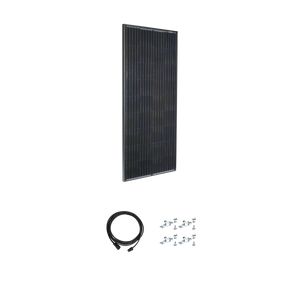
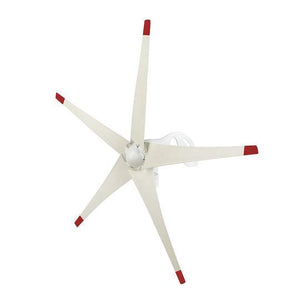
As you build your off-grid lifestyle, consider incorporating renewable energy sources to power your water systems. Solar kits and wind turbines can help you generate the necessary power to operate water pumps, filtration systems, and other essential utilities. Additionally, solar generators can play a vital role in running your filtration and treatment systems.
Powering Your Water System
To efficiently manage your water resources, consider investing in electric water pumps, which will require a power supply. Here are some options to explore:
- Solar Kits: These kits can generate electricity to run pumps and other devices.
- Wind Turbines: Harnessing wind energy can complement your solar power for continuous energy supply.
- Portable Generators: Ideal for temporary power solutions, especially in remote areas.
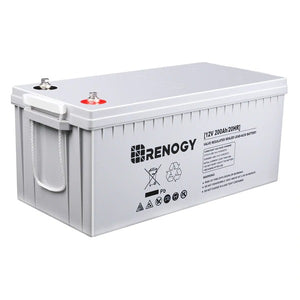
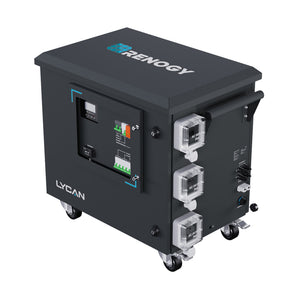
- Batteries: Storing power generated from solar kits and wind turbines can provide a consistent energy source when the sun doesn’t shine or the wind doesn’t blow.
- Inverter Chargers: These devices are crucial when transforming energy stored in batteries to usable power.
Efficient Water Heating Solutions
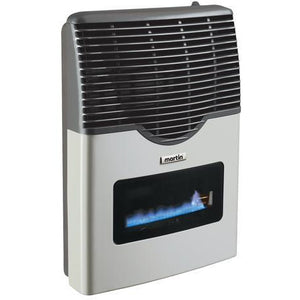
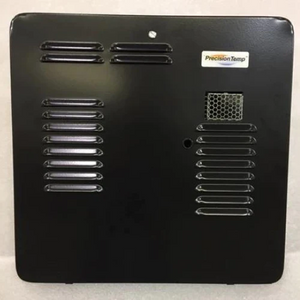
When living off-grid, you'll also want to address your hot water needs. Water heaters powered by renewable energy sources can provide hot water without relying on traditional grid electricity. Consider solar or gas water heaters, which can run effectively alongside your renewable energy systems.
Water Heating Options
Here are some eco-friendly water heating options suitable for off-grid living:
- Solar Water Heaters: Utilize the sun’s energy to heat your water, offering a sustainable approach.
- Gas Water Heaters: These can efficiently provide hot water and can integrate seamlessly with composting toilets for an eco-friendly approach to sanitation.
Bathroom Solutions for Off-Grid Living
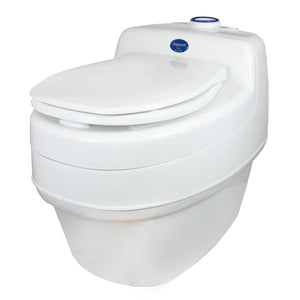
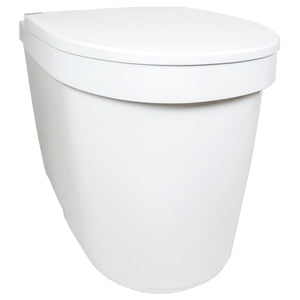
Alongside water heating, a reliable sanitation system is essential. Composting toilets are an eco-friendly alternative to standard flushing toilets. They can significantly reduce water usage and are ideal for off-grid setups. By using minimal water, you can conserve your collected rainwater for drinking and cooking.
Water Management Strategies
In order to maximize the efficiency of your water usage, implement water management strategies:
- Incorporate greywater systems to reuse water from sinks and showers.
- Use low-flow fixtures to reduce water waste.
- Collect and store excess water during rainy periods to use during dryer seasons.
Final Thoughts on Sustainable Water Solutions
Living off the grid presents both challenges and opportunities, particularly when it comes to sourcing water. By focusing on effective rainwater harvesting, exploring various water supply sources, and integrating renewable energy systems, you can create a sustainable and efficient water solution for your off-grid lifestyle. With innovation and careful planning, you can ensure that you have a reliable water supply throughout the seasons. Embrace the freedom of off-grid living and let your water woes be a thing of the past!